
Event branding isn’t just another marketing checkbox, it’s become the secret weapon that separates memorable business experiences from forgettable ones. Think about it: companies pour significant resources into events, yet many still blend into the background noise of crowded exhibition halls. The difference? Strategic branding that actually connects with people. When done right, event branding transforms a simple booth visit into a lasting business relationship. Whether you’re gearing up for your first trade show or refining your approach for an upcoming corporate conference, these five essentials will help you stand out and make genuine connections that matter.
Creating a Cohesive Visual Identity System
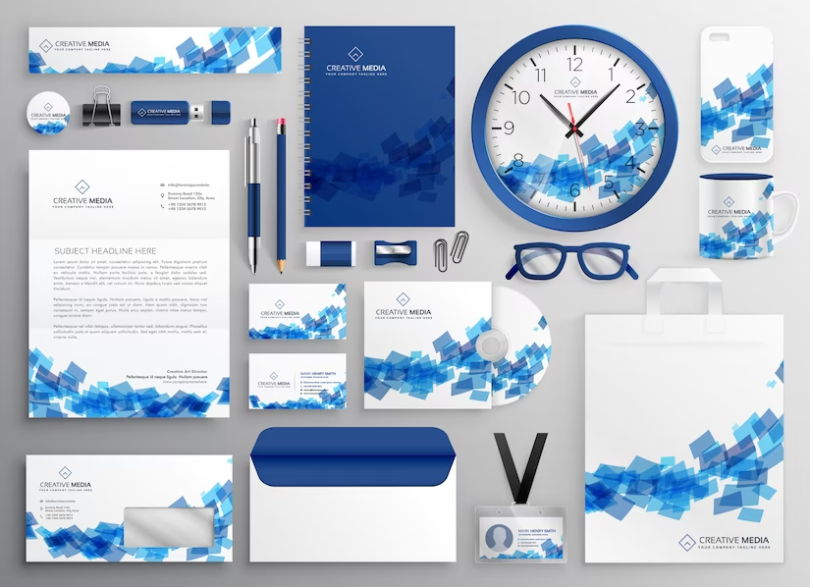
Here’s where everything starts: a visual identity that people recognize instantly. Your logo, colors, fonts, and design elements should work together like a well-rehearsed team, creating that “ah, yes, I know them” moment when someone spots your booth. Consistency isn’t just about looking polished, it tells attendees you’re serious about the details, which naturally extends to how they perceive your products and services. Smart companies actually create event-specific brand guidelines, ensuring every banner, digital screen, and handout speaks the same visual language. There’s real psychology at work here. When attendees encounter your branding multiple times throughout an event, those repeated exposures build familiarity and trust. And color? It’s more powerful than most realize. The right palette doesn’t just catch eyes, it triggers emotions and helps your space stand out when fifty other booths are competing for the same attention.
Strategic Space Design and Layout Planning
Walking into a well-designed event space feels different, doesn’t it? That’s intentional design at work. Your layout should guide foot traffic naturally, with sight lines that pull people in from a distance and a flow that makes sense once they’re there. Consider creating distinct areas, maybe one corner for live demos, another for deeper conversations, and an open zone for casual networking. This zoning approach helps visitors understand what you offer without feeling overwhelmed. Height matters too. Strategic placement of your displays can capture attention from across the hall while remaining approachable up close. Then there’s lighting, which honestly makes or breaks the whole setup. Proper illumination ensures your branding pops even under those harsh exhibition hall lights. For businesses dealing with unpredictable venue lighting, backlit display booths ensure consistent brand visibility while creating eye-catching focal points that attract attendees from across busy exhibition floors. Open layouts work best, nobody likes feeling trapped behind a desk barrier. And comfortable seating? That’s your secret weapon for turning quick chats into meaningful conversations that actually lead somewhere.
Engaging Experiential Brand Activations
Today’s event attendees aren’t looking for brochures and handshakes, they want experiences worth talking about. Experiential activations turn your booth into a destination, creating those emotional connections that stick with people long after the event badges come off. We’re talking live demos, VR experiences, gamification, hands-on workshops, or creative installations that embody what your brand stands for. The key? Make sure these experiences align with what you actually offer while delivering real value or genuine entertainment.
High-Quality Branded Materials and Takeaways
Those materials you hand out? They’re not just freebies, they’re physical reminders of your brand sitting on desks and in bags long after everyone’s gone home. Quality matters here, probably more than you think. Rather than ordering generic stress balls in bulk, focus on creating genuinely useful items that your target audience will actually keep and use. Well-designed brochures with compelling visuals and clear information become reference materials during decision-making processes.
Comprehensive Pre-Event and Post-Event Marketing
Event branding doesn’t start when the doors open or end when they close. The real magic happens in the weeks before and after, when strategic marketing amplifies everything you’re doing on-site. Pre-event campaigns build anticipation and ensure your target audience knows exactly where to find you among hundreds of exhibitors. Email sequences announcing special demonstrations, social media teasers about exclusive giveaways, personalized invitations for private booth meetings, these efforts drive qualified traffic to your space.
Conclusion
These five event branding essentials aren’t just best practices, they’re the difference between blending in and standing out in ways that actually drive business results. When you invest in cohesive visual systems, thoughtful space design, engaging experiences, quality materials, and comprehensive marketing, you’re not just participating in events, you’re creating moments that people remember and relationships that convert. The companies winning at event marketing understand something crucial: this isn’t a one-time expense, it’s an ongoing investment in brand equity, qualified leads, and industry credibility. Events keep evolving with new technologies and shifting attendee expectations, but these fundamental principles remain constant. Master them while staying open to innovation, and you’ll consistently outperform competitors who view events as just another line item in the marketing budget.