
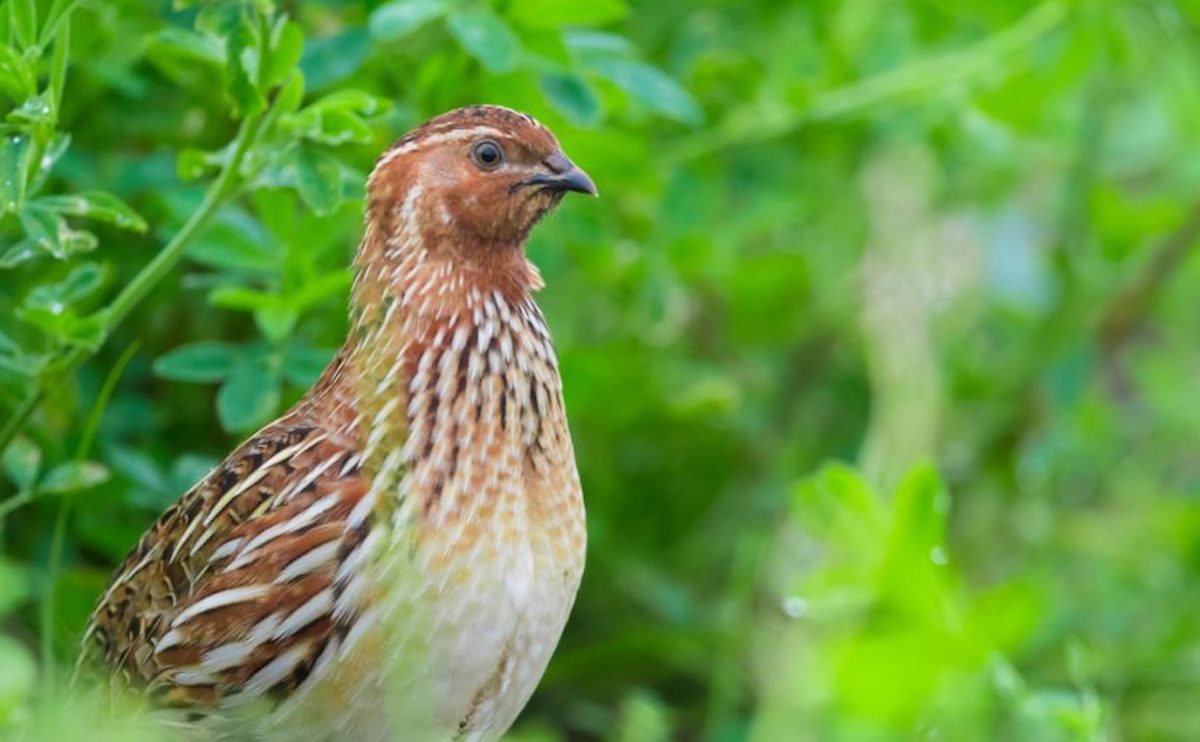
Coturnix quail, commonly referred to as Japanese or common quail, are small terrestrial birds that have captivated scientists, farmers, and culinary enthusiasts alike. Within the first hundred words, the appeal of Coturnix quail is evident: they are rapid growers, prolific egg layers, and highly adaptable to both natural and controlled environments. Their biology, breeding patterns, and human uses make them a frequent subject of interest for ecologists, agronomists, and gourmet chefs.
Native to grasslands and open fields across Asia, Europe, and parts of Africa, these birds thrive in habitats that offer dense vegetation for concealment and abundant seeds and insects for nutrition. Wild Coturnix quail rely on camouflage and quick movements to evade predators, while domesticated varieties, especially Coturnix japonica, have been selectively bred to optimize early sexual maturity, high egg yield, and tender meat production. Over centuries, these birds have become integral to small-scale farming, research, and sustainable food systems.
Understanding Coturnix quail requires examining their natural history, ecological behavior, reproductive strategies, human domestication, and nutritional significance. From their precocial chicks, which are mobile shortly after hatching, to their highly sought-after eggs, these birds represent a fusion of wild adaptation and human-directed evolution.
Natural History and Taxonomy
The Genus Coturnix
Coturnix quail belong to the Phasianidae family, a group that includes pheasants and partridges. The genus Coturnix includes several species, with the Japanese quail (Coturnix japonica) and the common quail (Coturnix coturnix) being most widely studied. Native ranges vary: C. japonica occupies East Asia, including Japan, Korea, and parts of China, while C. coturnix ranges across Europe and North Africa. Other species, like the rain quail (Coturnix coromandelica), inhabit tropical grasslands in South Asia.
Coturnix quail are typically ground-dwelling, avoiding dense forests and barren landscapes. Their diet combines seeds, grains, and invertebrates, enabling them to thrive in both wild and managed habitats. Migratory patterns vary; many northern populations of C. coturnix undertake seasonal migrations, demonstrating remarkable navigational capabilities despite their modest flight skills.
Physical Characteristics
Size, Plumage, and Dimorphism
Adult Coturnix quail are compact birds, ranging from 15–20 centimeters in length and 90–150 grams in weight. Their brown-mottled plumage provides camouflage in grassy landscapes, while males often display slightly more vivid markings during the breeding season to attract mates. Sexual dimorphism is subtle, primarily discernible in feather patterns and body size.
Behaviorally, quail are highly active foragers. They scratch and peck at the ground in search of seeds and insects. Dust-bathing is common and serves to maintain feather quality and control ectoparasites. Vocalizations vary: males produce territorial calls and courtship signals, whereas females emit longer calls associated with receptivity. Chicks are precocial, leaving the nest and foraging soon after hatching.
Habitat and Ecology
Coturnix quail inhabit open grasslands, meadows, agricultural fields, and savannas, favoring areas with dense herbaceous cover. This environment provides both foraging opportunities and protection from predators. Wild quail are primarily non-arboreal, relying on camouflage and rapid bursts of flight for defense.
Migration patterns are species- and region-specific. European populations of C. coturnix migrate south in autumn to warmer climates, returning in spring to breed. This seasonal movement allows access to abundant food resources while minimizing exposure to harsh conditions.
Reproduction and Life Cycle
Coturnix quail are renowned for their rapid reproductive cycles. Domesticated C. japonica may reach sexual maturity as early as six to eight weeks, whereas wild populations mature slightly slower depending on environmental conditions. Nesting occurs on the ground, with females laying clutches ranging from six to twelve eggs.
Incubation lasts 17–20 days, after which precocial chicks emerge fully feathered and capable of foraging. Breeding strategies vary; while some species are monogamous, others display polygamous tendencies, with males performing intricate calls and displays to attract females.
Domestication and Agriculture
Domestication of Coturnix quail dates back centuries, particularly in Japan and Europe, where their rapid growth, high egg yield, and manageable size made them ideal for small-scale poultry operations. C. japonica is now farmed worldwide, prized for both eggs and meat.
Quail eggs are rich in protein, essential vitamins, and minerals, including calcium, iron, and magnesium. Their small size and high nutritional density make them valuable for human consumption, and they are frequently featured in gourmet dishes. Quail meat is lean, tender, and mild-flavored, suitable for a wide range of culinary applications.
Farming practices focus on optimal lighting, diet, and housing to maximize egg production. Feed typically contains 24–28% protein for growing birds, with adjustments for adults. Supplemental greens and insects improve nutrition, while grit supports digestion. Well-managed flocks can produce over 300 eggs per hen annually.
Economic Significance
Coturnix quail provide a sustainable protein source in both small- and large-scale agriculture. Their rapid reproductive cycle, high egg productivity, and low space requirements make them an efficient livestock option. Quail farming can enhance rural livelihoods, offering income and food security, while requiring fewer resources than traditional poultry.
Behavioral Ecology
Quail display intricate social and foraging behaviors. Outside the breeding season, they form small coveys, engaging in cooperative foraging. Dust-bathing and preening are vital for feather maintenance. Vocal communication facilitates social cohesion, with males and females producing distinct calls for mating, alerting to danger, and maintaining group structure.
Species Comparison
| Species | Range | Clutch Size | Typical Habitat |
|---|---|---|---|
| Coturnix japonica | East Asia, domestic worldwide | 8–14 | Grasslands, farmland |
| Coturnix coturnix | Europe, North Africa | 6–13 | Meadows, savannas |
| Coturnix coromandelica | India, Sri Lanka | 6–10 | Tropical grasslands |
This table highlights differences in habitat, reproductive strategy, and geographic distribution among key Coturnix species.
Expert Opinions
“Coturnix quail exemplify adaptive evolution; their camouflage, reproductive speed, and migratory capacity reflect finely tuned survival strategies.” — Dr. Susan Dong, Ornithologist
“Domesticated Coturnix quail are a model for efficient small-scale poultry production, combining productivity with minimal environmental footprint.” — Prof. Miguel Santos, Agricultural Scientist
“Studying quail behavior provides insight into managing wild populations and optimizing farmed flocks with animal welfare in mind.” — Dr. Leila Ahmed, Avian Ecologist
Takeaways
- Coturnix quail are small, fast-maturing birds with global ecological and agricultural significance.
- Their ground-dwelling habits and cryptic plumage are key survival traits.
- Domesticated C. japonica supports sustainable egg and meat production.
- Eggs are nutrient-dense and used widely in cuisine.
- Efficient husbandry maximizes productivity through diet, light, and environmental management.
- Quail exhibit complex social and communication behaviors.
- Conservation and ethical farming balance productivity with ecological stewardship.
Conclusion
Coturnix quail, whether in wild grasslands or on farms, embody a synthesis of ecological resilience and human utility. Their rapid maturation, prolific egg-laying, and adaptability have secured their place in agriculture, research, and gastronomy. By studying their biology and behavior, humans gain insights into sustainable farming, wildlife conservation, and nutrition. These birds, modest in size yet profound in impact, continue to bridge natural history and human ingenuity, offering lessons in efficiency, resilience, and the delicate balance between domestication and ecological harmony.
FAQs
What are Coturnix quail?
Small ground-dwelling birds of the genus Coturnix, valued for eggs, meat, and ecological roles.
How many eggs do Coturnix quail lay?
Domestic hens can produce up to 300 eggs annually under optimal conditions.
Where do they naturally live?
Grasslands, meadows, farmland, and savannas across Asia, Europe, and Africa.
Do quail migrate?
Some species migrate seasonally, typically north for breeding and south in winter.
Are quail eggs nutritious?
Yes, rich in protein, vitamins, and minerals such as calcium, iron, and magnesium.
References
Animal Diversity Web. (2025). Coturnix japonica (Japanese quail) information. University of Michigan Museum of Zoology. https://animaldiversity.org/accounts/Coturnix_japonica/
Animal Diversity Web. (2025). Coturnix coturnix (common quail) information. University of Michigan Museum of Zoology. https://animaldiversity.org/accounts/Coturnix_coturnix/
Prairie Nest Homestead. (2025). Coturnix quail feeding and breeding guidelines. https://prairienesthomestead.com/coturnix-quail/
Grokipedia. (2025). Coturnix summary and habitat preferences. https://grokipedia.com/page/Coturnix
Biomedical Research. (2025). Effects of Coturnix japonica egg diet on nutrient profile. https://www.biomedres.info/biomedical-research/effects-of-quail-coturnix-japonica-egg-diet-on-both-the-blood-sugar-and-the-lipid-profile-of-alloxan-induced-diabetic-albino-rats-10920.html
Wikipedia Contributors. (2025). Coturnix japonica. Wikipedia. https://es.wikipedia.org/wiki/Coturnix_japonica