
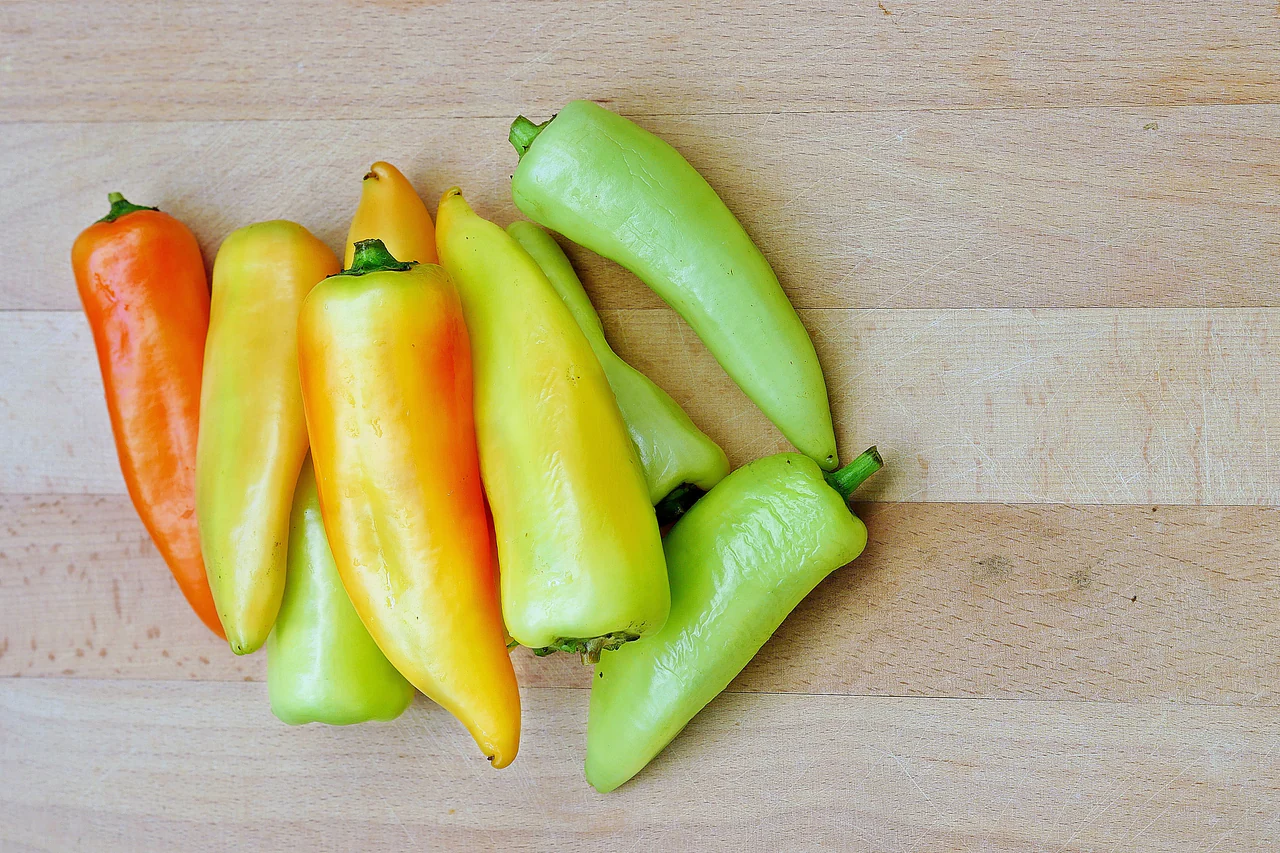
The cubanelle pepper is one of those ingredients that appears familiar yet rarely receives focused attention. Pale green to yellow, thin-skinned, and gently curved, it sits quietly between bell peppers and hot chiles, offering fragrance without fire. In the first moments of cooking, its role becomes clear: it softens, sweetens, and perfumes a dish without dominating it. For home cooks and professional chefs alike, the cubanelle answers a simple question how to add pepper flavor without heat. Often called the Italian frying pepper or Cuban pepper, the cubanelle has traveled across borders and kitchens, shaped by migration and regional tastes. In Italian-American kitchens, it sizzles in olive oil beside garlic and onions. In modern nutrition conversations, it quietly contributes vitamin C, antioxidants, and fiber.
Understanding the cubanelle pepper means understanding how food traditions adapt without losing identity. Its story is not loud or spicy. Instead, it is steady, practical, and deeply rooted in everyday meals. This article explores the cubanelle’s botanical origins, culinary uses, nutritional profile, agricultural role, and cultural significance placing a humble pepper into a broader global context.
Botanical Background and Classification
The cubanelle pepper belongs to the species Capsicum annuum, the same diverse plant family that includes bell peppers, jalapeños, and cayenne. What separates cubanelles from their spicier relatives is capsaicin or rather, the lack of it. Most cubanelles measure between 0 and 1,000 Scoville Heat Units, making them mild enough for sensitive palates.
Physically, cubanelles are elongated, typically 4 to 6 inches long, with thin walls that soften quickly when cooked. They are harvested while still light green or yellow, though they will turn red if allowed to mature fully. Their thin skin makes them less suitable for long storage but ideal for quick sautéing.
Agriculturally, cubanelles thrive in warm climates with long growing seasons. They are commonly grown in Florida, the Caribbean, parts of Central America, and Mediterranean-like regions. Their adaptability has helped them spread widely without losing their defining traits.
Historical Roots and Migration
Despite the name, the cubanelle pepper did not originate exclusively in Cuba. Like all Capsicum species, its ancestors trace back to Central and South America, where indigenous communities domesticated peppers thousands of years ago. The cubanelle’s mildness likely developed through selective cultivation rather than wild evolution.
The pepper gained its modern identity through migration. Caribbean agricultural traditions carried it across islands, while Italian immigrants introduced similar sweet frying peppers to the United States in the late 19th and early 20th centuries. Over time, these traditions merged, and the cubanelle became a staple in Cuban, Puerto Rican, Dominican, and Italian-American cuisines. Its quiet success reflects a broader food-history pattern: ingredients that adapt easily tend to survive cultural transitions.
Flavor Profile and Culinary Role
The defining quality of the cubanelle pepper is balance. Raw, it tastes mildly sweet with a grassy aroma. Cooked, it becomes softer, sweeter, and almost floral. Unlike bell peppers, which can taste watery, cubanelles concentrate flavor when sautéed or roasted.
They are most commonly used as:
- A base vegetable in sofritos
- A frying pepper for sandwiches and sausages
- A stuffing pepper for light fillings
- A flavor enhancer in rice, eggs, and pasta
Because cubanelles cook quickly, they suit fast home meals as well as professional kitchens where timing matters.
Common Culinary Uses by Region
| Region | Typical Uses | Cooking Method |
|---|---|---|
| Caribbean | Sofrito, rice dishes, stews | Sautéed, chopped |
| Italian-American | Sausage and peppers | Fried, blistered |
| Latin American | Egg dishes, sauces | Light sauté |
| American home cooking | Stuffed peppers | Baked |
This flexibility explains why the cubanelle has endured while trendier peppers come and go.
Nutritional Value and Health Context
Cubanelle peppers contribute more than flavor. Like most peppers, they are low in calories and rich in essential nutrients. A typical serving provides vitamin C, vitamin A (in the form of carotenoids), potassium, and dietary fiber. Because they are mild, cubanelles are often recommended for people who avoid spicy foods but still want the benefits of peppers. Nutrition researchers frequently point to sweet peppers as accessible sources of antioxidants that support immune health and cellular protection.
According to registered dietitian perspectives, “Sweet peppers like cubanelles provide the nutritional benefits of capsicum without gastrointestinal irritation,” making them suitable for broader populations.
Agricultural Production and Sustainability
Cubanelle peppers are valued by farmers for their relatively fast maturation and consistent yields. They typically mature within 65 to 75 days, making them suitable for multiple planting cycles in warm regions. However, their thin skin makes them sensitive to bruising and temperature changes. This limits long-distance shipping and favors local or regional distribution. As a result, cubanelles often appear fresher in farmers’ markets than in large supermarket chains.
From a sustainability perspective, cubanelles fit well into diversified vegetable farming systems. They require moderate water, benefit from companion planting, and are less resource-intensive than some larger pepper varieties.
Comparison With Similar Peppers
| Pepper Type | Heat Level | Texture | Best Use |
|---|---|---|---|
| Cubanelle | Very mild | Thin | Frying, sauté |
| Bell pepper | None | Thick | Stuffing, raw |
| Banana pepper | Mild | Medium | Pickling |
| Poblano | Mild-medium | Thick | Roasting |
This comparison highlights why cubanelles occupy a unique middle ground more aromatic than bells, gentler than poblanos.
Expert Perspectives on Mild Peppers
Food historian Dr. Jessica B. Harris has noted that mild peppers often serve as “structural ingredients,” shaping dishes without overwhelming them. Culinary educator Harold McGee similarly emphasizes that pepper aroma develops more through cooking than heat. Agricultural extension specialists frequently recommend cubanelles to beginner gardeners because of their manageable growth and forgiving nature. Together, these perspectives reinforce the idea that mild peppers play foundational roles in global cuisines.
Cultural Significance and Identity
In many Caribbean households, the cubanelle pepper is not optional it is assumed. Recipes rarely specify it because its presence is taken for granted. This quiet centrality mirrors how food traditions operate: the most important ingredients often receive the least attention. In Italian-American culture, cubanelles symbolize adaptation. Immigrants substituted available sweet peppers for regional Italian varieties, creating new traditions that still felt familiar. The pepper became a bridge between old-world memory and new-world reality.
Storage, Selection, and Preparation
When selecting cubanelle peppers, firmness matters more than color. The skin should be smooth, glossy, and free from wrinkles. Because they bruise easily, refrigeration should be brief ideally no more than five days. Preparation is simple. The thin skin does not require peeling, and seeds are minimal. A quick rinse and slice is often enough.
Takeaways
- Cubanelle peppers are mild, aromatic members of the Capsicum annuum family.
- They play foundational roles in Caribbean and Italian-American cuisines.
- Thin skins make them ideal for quick cooking but limit storage.
- Nutritionally, they offer vitamins, antioxidants, and fiber.
- Their adaptability explains their long-standing cultural presence.
- Cubanelle peppers thrive in warm, sustainable growing systems.
Conclusion
The cubanelle pepper does not demand attention, yet it earns its place in kitchens around the world through reliability and restraint. In an era fascinated by extremes spicier, bolder, louder the cubanelle reminds us that balance matters. It shows how food traditions survive not by spectacle, but by usefulness. From Caribbean stews to American frying pans, the cubanelle carries stories of migration, adaptation, and everyday nourishment. It is a pepper shaped by people who needed flavor without fire, aroma without aggression. In that quiet role, it continues to thrive.
Frequently Asked Questions
Is a cubanelle pepper spicy?
Cubanelle peppers are very mild, typically registering near zero on the Scoville scale.
Can cubanelle peppers turn red?
Yes. If left to mature fully, they will turn red and slightly sweeter.
Are cubanelle peppers good for stuffing?
They can be stuffed, but their thin walls are better suited to light fillings.
How are cubanelle peppers different from banana peppers?
Cubanelles are less tangy and more aromatic, with thinner skins.
Can cubanelle peppers be eaten raw?
Yes, though they are most flavorful when cooked.
References
Encyclopaedia Britannica. (2023). Capsicum. Encyclopaedia Britannica.
Food and Agriculture Organization of the United Nations. (2022). Peppers and chillies: Production and nutrition. FAO.
McGee, H. (2004). On food and cooking: The science and lore of the kitchen. Scribner.
U.S. Department of Agriculture. (2023). FoodData Central: Sweet peppers. USDA.
Harris, J. B. (2011). High on the hog: A culinary journey from Africa to America. Bloomsbury.