
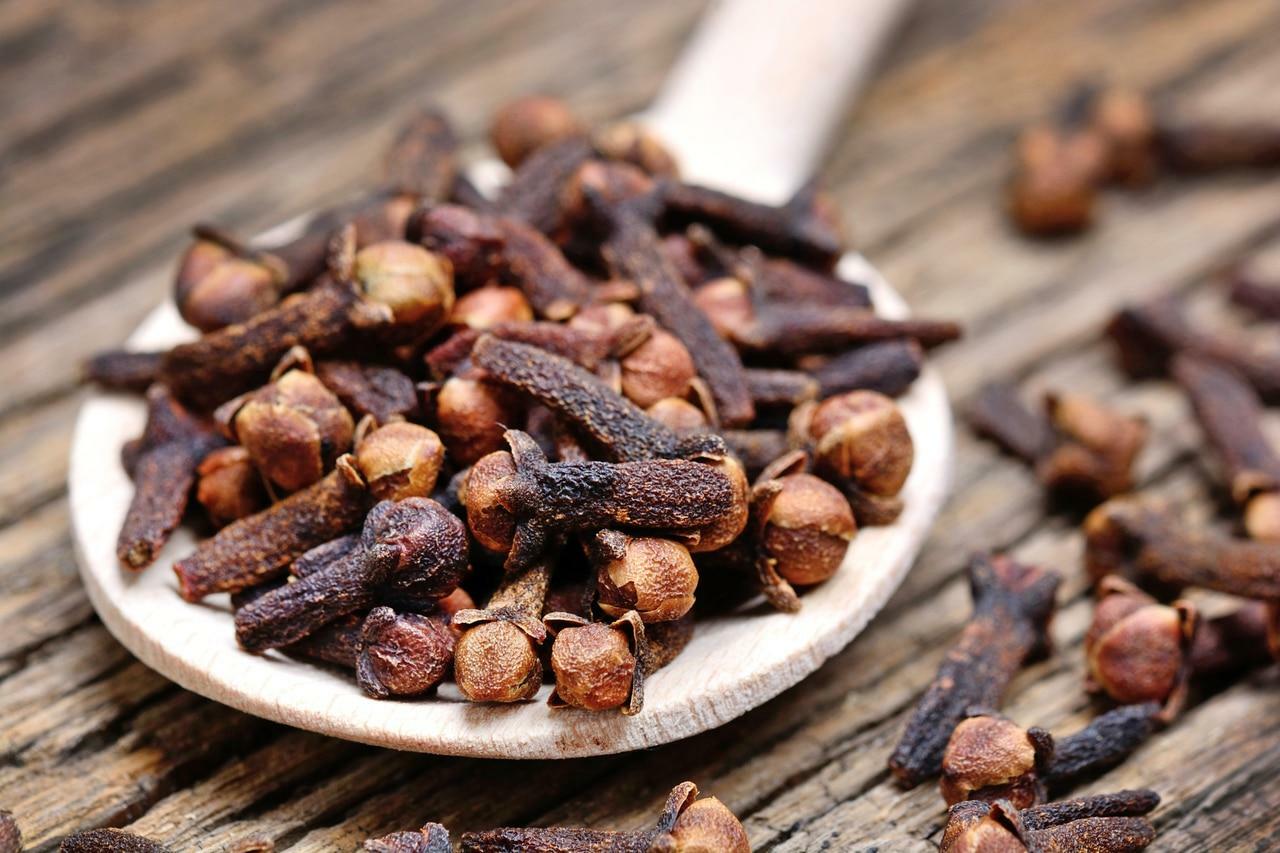
Cloves are among the most recognizable spices in the world, instantly identified by their dark brown, nail-shaped form and their warm, penetrating aroma. In the first moments of encountering cloves whether in a simmering pot of biryani, a cup of spiced tea, or a winter dessert their role is unmistakable. They add depth, warmth, and a slightly sweet sharpness that anchors many global cuisines. Derived from the dried flower buds of the Syzygium aromaticum tree, cloves have been valued not only for flavor but also for their preservative and medicinal qualities.
Historically, cloves were once so rare and prized that they helped launch global trade routes and colonial rivalries. Their journey from the Spice Islands of Indonesia to kitchens and pharmacies across Europe, Asia, Africa, and the Americas reflects humanity’s enduring obsession with flavor and healing. Today, cloves remain essential in both everyday cooking and traditional medicine, appearing in spice blends, teas, oils, and remedies passed down through generations.
Beyond tradition, modern science has begun to examine what cultures long believed: cloves contain powerful bioactive compounds, especially eugenol, that contribute to antioxidant and anti-inflammatory activity. While they are used sparingly, their impact is disproportionate to their size. This article explores cloves through history, chemistry, cuisine, culture, and health, offering a comprehensive understanding of why this small spice continues to hold such an outsized place in the human story.
Botanical Origins and Early History
Cloves originate from the Maluku Islands, historically known as the Spice Islands, in present-day Indonesia. The clove tree thrives in tropical maritime climates, requiring warmth, humidity, and rich soil. Harvesting is labor-intensive: the flower buds must be picked just before blooming, then dried until they darken and harden into the familiar spice.
Long before European contact, cloves circulated through Asian and Middle Eastern trade networks. Chinese records from the Han Dynasty describe courtiers chewing cloves to freshen their breath before speaking to the emperor. In India and Persia, cloves were incorporated into both food and medicine, valued for their warming properties.
By the Middle Ages, cloves had become one of the most expensive commodities in Europe. Their scarcity and desirability drove Portuguese, Dutch, and British expansion into Southeast Asia. Control of clove production became a geopolitical priority, shaping colonial policies and trade monopolies. Over time, cultivation spread to other tropical regions, including Madagascar, Tanzania, and parts of India, reducing scarcity but not diminishing cultural importance.
Chemical Composition and Sensory Profile
Cloves’ distinctive aroma and taste are largely due to eugenol, a phenolic compound that can make up more than 70 percent of clove essential oil. Eugenol produces the spice’s numbing, warming sensation and underlies many of its medicinal applications.
In addition to eugenol, cloves contain flavonoids, tannins, and phenolic acids such as gallic acid. These compounds contribute bitterness, astringency, and antioxidant capacity. Nutritionally, cloves provide small amounts of manganese, vitamin K, and dietary fiber, though their real value lies in their phytochemical density rather than macronutrient contribution.
Key Chemical Components of Cloves
| Compound | Function and Significance |
|---|---|
| Eugenol | Aroma, flavor, analgesic and antioxidant properties |
| Flavonoids | Cellular protection against oxidative stress |
| Tannins | Astringency, antimicrobial activity |
| Gallic acid | Antioxidant support |
This complex chemical profile explains why cloves are potent even in minute quantities and why excessive use particularly in oil form can be harmful.
Culinary Roles Across Cultures
Cloves appear in cuisines across continents, often performing a quiet but essential role. In South Asian cooking, they are integral to rice dishes, lentils, and meat curries, releasing their aroma slowly when sautéed in oil. In Middle Eastern and North African kitchens, cloves deepen the flavor of stews, spice blends, and festive dishes.
European culinary traditions associate cloves with preservation and sweetness. They are used in cured meats, sausages, mulled wines, and baked goods, particularly during winter holidays. In East Asian cooking, cloves contribute to five-spice powder, balancing sweetness with bitterness and heat.
Global Culinary Applications
| Region | Typical Uses |
|---|---|
| South Asia | Biryani, garam masala, curries |
| Middle East & North Africa | Rice dishes, tagines, spice blends |
| Europe | Baking, mulled drinks, preserved meats |
| East Asia | Five-spice powder, marinades |
Cloves’ strength demands restraint. A single clove can flavor an entire dish, making technique and balance essential to their successful use.
Traditional Medicine and Healing Practices
For centuries, cloves have occupied a central place in traditional medicine systems. In Ayurveda, they are considered warming and stimulating, often prescribed to support digestion, relieve respiratory discomfort, and ease toothache. Traditional Chinese Medicine similarly values cloves for their ability to warm the body and alleviate cold-related ailments.
One of the most enduring uses of cloves is in oral health. Clove oil has long been applied to toothaches due to its numbing effect, a practice that predates modern dentistry. The antimicrobial nature of eugenol supports this application, although modern medical guidance stresses careful dilution.
In folk medicine across Africa and Southeast Asia, clove infusions are used for nausea, bloating, and seasonal illnesses. These practices, while culturally rooted, have increasingly drawn scientific interest.
Modern Scientific Perspectives on Health
Contemporary research has begun validating some traditional claims about cloves. Studies suggest that their antioxidant compounds may help neutralize free radicals, potentially reducing oxidative stress associated with chronic disease. Anti-inflammatory effects observed in laboratory settings have prompted interest in cloves’ role in metabolic and cardiovascular health.
Preliminary research also explores cloves’ antimicrobial and antifungal properties, as well as their possible influence on blood sugar regulation. However, most evidence comes from in-vitro or animal studies, and human data remain limited.
Health professionals consistently emphasize moderation. While culinary use is considered safe for most people, concentrated clove oil can cause adverse effects, including irritation and toxicity, especially in children.
Expert Perspectives
- Nutrition researchers highlight cloves as one of the most antioxidant-dense spices by weight.
- Clinical dietitians caution against supplement misuse, noting that whole-food use aligns best with traditional and scientific evidence.
- Dental professionals acknowledge clove oil’s analgesic properties while advising modern alternatives for routine care.
Cultural Meaning and Symbolism
Cloves are woven into rituals and symbolism around the world. In parts of Indonesia, clove cigarettes reflect both cultural identity and agricultural heritage. In India and the Middle East, cloves appear in ceremonial meals marking weddings and religious festivals. Markets selling whole spices often place cloves alongside cinnamon, cardamom, and nutmeg, creating sensory landscapes that echo centuries of trade and migration. These everyday encounters keep historical memory alive, linking modern consumers to ancient routes and traditions.
Takeaways
- Cloves are dried flower buds native to Indonesia with a powerful aromatic profile.
- Their history shaped global trade, colonial expansion, and culinary exchange.
- Eugenol gives cloves their distinctive flavor and medicinal properties.
- Used worldwide, cloves enhance both savory and sweet dishes.
- Traditional medicine applications are increasingly examined by modern science.
- Moderation is essential, particularly with clove oil.
Conclusion
Cloves illustrate how a single plant can influence the course of history, culture, and daily life. From imperial courts and colonial trade routes to modern kitchens and research laboratories, their presence has been remarkably persistent. They remind us that flavor is never just about taste it carries stories of migration, power, healing, and memory.
In an era of industrialized food systems, cloves remain refreshingly unchanged: harvested by hand, used sparingly, and respected for their strength. Whether encountered in a cherished family recipe or a cup of spiced tea, cloves connect the present to a deeply layered past. Their continued relevance lies not in novelty but in continuity, offering warmth, complexity, and a sense of shared human heritage with every use.
Frequently Asked Questions
What exactly are cloves?
Cloves are the dried flower buds of the Syzygium aromaticum tree, known for their strong aroma and spicy-sweet taste.
Why are cloves so strong in flavor?
Their high concentration of eugenol creates an intense aroma and warming sensation, making them potent even in small amounts.
Are cloves healthy to eat daily?
Culinary amounts are generally safe and may contribute antioxidants, but excessive intake or clove oil use can be harmful.
Why were cloves historically valuable?
Scarcity, preservation properties, and high demand made cloves a luxury spice that shaped global trade routes.
How should cloves be stored?
Store whole cloves in an airtight container, away from heat and light, to preserve aroma and potency.
References
Encyclopaedia Britannica. (n.d.). Clove. https://www.britannica.com/plant/clove
WebMD. (n.d.). Health benefits of cloves. https://www.webmd.com/diet/health-benefits-cloves
Medical News Today. (n.d.). Cloves: Health benefits and uses. https://www.medicalnewstoday.com/articles/320768
Healthline. (n.d.). 8 surprising health benefits of cloves. https://www.healthline.com/nutrition/benefits-of-cloves
EatingWell. (n.d.). Anti-inflammatory spices for better health. https://www.eatingwell.com