Fluffy hair is not an accident. It is not simply frizz softened by wishful thinking, nor is it the stiff, over-styled volume of past decades. In contemporary beauty culture, fluffy hair signals effortlessness, health, and movement hair that lifts, breathes, and responds to the body as it moves through space. For millions searching how to “get fluffy hair,” the intent is clear within seconds: they want volume without damage, texture without mess, and softness without flatness. In the first moments after washing, hair exists in a fragile state. Cuticles are open, hydrogen bonds are reforming, and moisture is either becoming an ally or a liability. Fluffy hair emerges when this moment is handled with intention. The right drying angle, the right product weight, and the right haircut can turn ordinary strands into hair that looks naturally buoyant.
The appeal of fluffy hair reflects a broader shift in beauty ideals. Instead of perfection or polish, the modern aesthetic favors movement, air, and realism. Social platforms amplify this preference, but the roots of fluffy hair lie deeper in hair biology, physics, and decades of professional styling knowledge. This article examines fluffy hair as both a physical phenomenon and a cultural style. Drawing from established hair science, dermatology, and professional cosmetology, it explains what fluffy hair is, how it forms, who it works for, and how to achieve it without sacrificing hair health.
What Fluffy Hair Actually Means
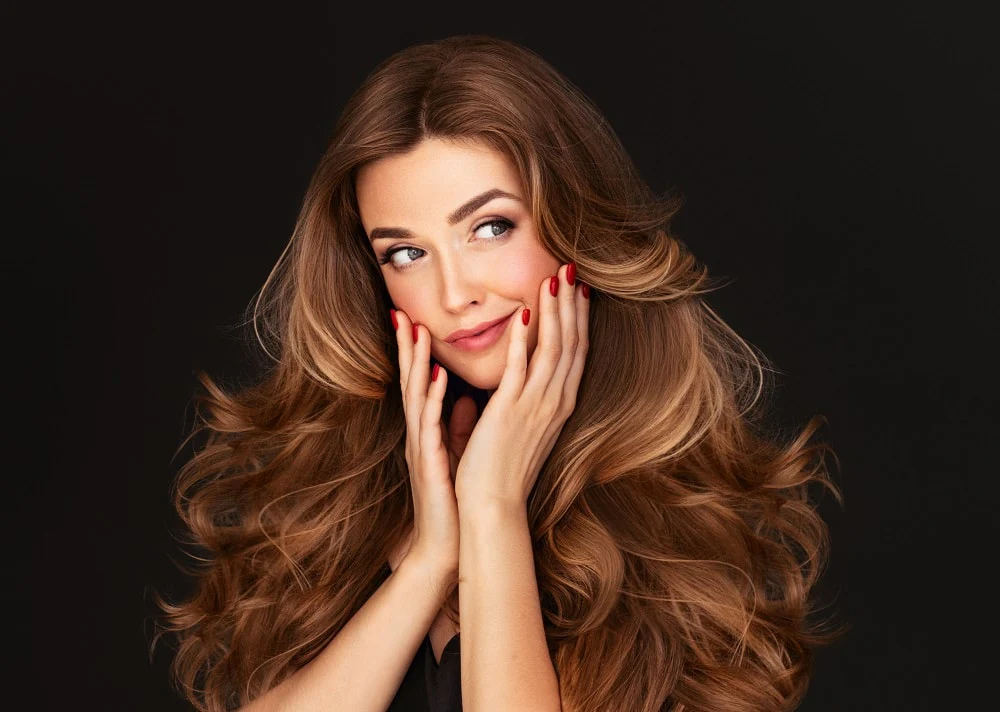
Fluffy hair is defined by three qualities: visible volume, soft texture, and controlled structure. Unlike frizzy hair, which appears chaotic and rough, fluffy hair maintains a smooth surface while creating space between strands. This space allows light to scatter, giving the illusion of thickness and fullness. Professionally, stylists describe fluffiness as “intentional lift.” Hair fibers are separated just enough to avoid clumping, while cuticles remain mostly smooth. This balance is critical. When cuticles lift too much, hair absorbs excess moisture and frizz forms. When cuticles are sealed too tightly or weighed down, hair collapses.
Fluffy hair can exist across textures straight, wavy, curly, or coiled but it looks different on each. Straight hair expresses fluff through root lift and movement. Wavy hair shows it through loose separation and bounce. Curly hair becomes fluffy when curls expand outward without losing definition. The distinction between fluffy and poofy hair matters. Poofy hair often signals dryness or damage. Fluffy hair signals care, technique, and structural understanding.
Hair Biology: Why Volume Exists at All
Hair is composed primarily of keratin, a fibrous protein arranged in complex molecular structures. Each strand consists of a medulla, cortex, and cuticle. The cortex determines strength and elasticity, while the cuticle overlapping scales controls shine, smoothness, and moisture exchange. Volume occurs when strands resist gravity and separate from one another. This resistance depends on three factors: strand diameter, internal moisture balance, and external manipulation. Hydrogen bonds inside the cortex break and reform when hair becomes wet. As hair dries, these bonds set into a new shape. This is why blow-drying direction matters. Drying hair upward encourages bonds to reform in a lifted position, while downward drying encourages flatness.
Humidity complicates this process. When moisture in the air penetrates raised cuticles, hair swells unevenly. The result is frizz, not fluff. Controlled fluffiness requires managing how much moisture enters the hair shaft and when. Dermatological research has long established that healthy cuticles lie relatively flat, allowing flexibility without excessive swelling. This state supports softness and volume simultaneously.
Fluffy Hair Versus Frizz: A Clear Distinction
| Characteristic | Fluffy Hair | Frizzy Hair |
|---|---|---|
| Cuticle state | Mostly smooth, slightly lifted | Widely lifted |
| Texture | Soft, airy | Rough, dry |
| Moisture control | Balanced | Excess or deficiency |
| Appearance | Intentional volume | Uncontrolled expansion |
| Cause | Technique + products | Humidity, damage |
Frizz is often the result of either dehydration or over-hydration. Fluffy hair exists in a narrow middle zone where hair contains enough water to remain elastic but not enough to swell uncontrollably. This distinction explains why the same routine can produce fluff on one day and frizz on another. Environmental humidity, product layering, and even towel choice influence outcomes.
The Role of Haircuts in Creating Fluff
No styling technique can fully compensate for a haircut that works against volume. Fluffy hair relies on internal architecture. Layers create weight distribution that allows hair to lift and move. Blunt, one-length cuts concentrate weight at the perimeter, pulling hair downward. Textured layers, shag shapes, and soft face-framing cuts encourage separation. These cuts introduce negative space areas where hair does not stack allowing air to circulate between strands. Professional stylists often emphasize that fluffy hair begins with scissors, not products. A properly structured cut reduces the need for excessive heat or manipulation, preserving hair health over time.
Styling Techniques That Build Air, Not Damage
Blow-Drying Direction
Drying hair upside down or perpendicular to the scalp encourages root lift. The airflow sets hydrogen bonds in an elevated position. Using medium heat and moderate tension prevents cuticle damage.
Diffusing for Texture
Diffusers distribute air gently, preserving natural curl or wave patterns. This technique expands hair outward rather than downward, creating softness and volume simultaneously.
Product Weight Matters
Lightweight mousses, volumizing sprays, and texture powders add grip without collapsing strands. Heavy creams and oils often undermine fluffiness by sealing cuticles too tightly.
| Styling Method | Primary Effect | Best Hair Types |
|---|---|---|
| Upside-down blow-dry | Root lift | Fine to medium |
| Diffuser | Defined expansion | Wavy, curly |
| Texture spray | Separation | All |
| Backcombing | Structural height | Short to medium |
Backcombing should be minimal and strategic. Excessive teasing damages cuticles and leads to breakage, ultimately reducing volume over time.
Expert Perspectives on Fluffy Hair
Cosmetologists consistently stress that volume should not come at the expense of integrity. Research in cosmetic science shows that repeated high-heat styling degrades keratin bonds, making hair more prone to frizz and breakage. Dermatologists echo this concern. Healthy scalp conditions support hair that lifts naturally. Product buildup, inflammation, or excessive oil can weigh hair down or disrupt growth cycles. One recurring professional insight is that fluffiness is easier to maintain than to create. When hair is healthy, properly cut, and moderately styled, volume becomes a natural byproduct rather than a daily battle.
Cultural Shifts: Why Fluffy Hair Dominates Now
The rise of fluffy hair mirrors changing beauty values. After years of sleek, ultra-polished aesthetics, there is renewed appreciation for softness and realism. Fluffy hair photographs well, moves naturally, and signals approachability. Historically, volume has cycled in and out of fashion. The difference now lies in restraint. Modern fluff avoids stiffness and excess product. It reflects wellness culture, minimalism, and authenticity. Social media accelerated this shift, but the preference persists because it aligns with comfort and individuality. Fluffy hair adapts to different textures and identities without enforcing uniformity.
Common Mistakes That Flatten or Frizz Hair
Overwashing strips natural oils that support elasticity. Using rough towels raises cuticles. Applying heavy conditioners to roots collapses volume. Each of these habits works against fluffiness. Heat misuse is another culprit. Extremely high temperatures seal cuticles too quickly, locking hair into flat shapes or causing brittleness. Controlled heat allows bonds to set gradually. Finally, brushing dry textured hair often disrupts pattern and creates frizz rather than volume. Finger styling or wide-tooth combs preserve separation.
Takeaways
- Fluffy hair is controlled volume, not frizz
- Hair biology determines how volume forms and holds
- Haircuts play a foundational role in fluffiness
- Moisture balance is essential for soft lift
- Lightweight products outperform heavy creams
- Environmental humidity affects daily results
Last Words
Fluffy hair endures because it harmonizes science, aesthetics, and human movement. It is not a trend built on excess, but on understanding of hair structure, moisture, and restraint. When hair lifts naturally, it reflects care rather than control. The pursuit of fluffy hair invites a slower, more thoughtful approach to beauty. It rewards those who learn how their hair responds to air, water, and touch. In that sense, fluffy hair is less about achieving a look and more about respecting a material keratin fibers shaped by biology and time. As beauty culture continues to shift toward authenticity, fluffy hair remains relevant not because it is fashionable, but because it feels alive.
FAQs
Is fluffy hair healthy hair?
Often, yes. Fluffy hair usually indicates balanced moisture, minimal damage, and good cuticle condition.
Can fine hair be fluffy?
Yes. Fine hair often achieves fluff easily with lightweight products and strategic drying.
Does humidity always ruin fluffy hair?
High humidity increases frizz risk, but proper cuticle care can preserve volume.
Is fluffy hair suitable for all lengths?
Medium and layered lengths show fluff most easily, but short and long hair can achieve it with technique.
How often should hair be washed for volume?
Overwashing reduces natural support. Many professionals recommend two to three times weekly.
References
Robbins, C. R. (2012). Chemical and physical behavior of human hair (5th ed.). Springer.
Gavazzoni Dias, M. F. R. (2015). Hair cosmetics: An overview. International Journal of Trichology, 7(1), 2–15. https://doi.org/10.4103/0974-7753.153450
Trueb, R. M. (2005). The biology of hair growth. International Journal of Cosmetic Science, 27(1), 11–20. https://doi.org/10.1111/j.1467-2494.2004.00286.x
Loussouarn, G., Garcel, A. L., Lozano, I., et al. (2007). Worldwide diversity of hair curliness: A quantitative trait approach. International Journal of Dermatology, 46(S1), 2–6. https://doi.org/10.1111/j.1365-4632.2007.03485.x
Draelos, Z. D. (2010). Cosmetic dermatology: Products and procedures. Wiley-Blackwell.