
I have seen many students feel confused and overwhelmed when they first hear about prestigious technology internships at a young age. The idea of a Microsoft High School Internship often sounds intimidating, as if it is only meant for prodigies or students with advanced technical backgrounds. In reality, Microsoft designs its high school internship opportunities to identify curiosity, motivation, and learning potential rather than perfection. These programs are meant to introduce students to real-world technology environments while they are still forming their academic and career identities.
A Microsoft High School Internship offers early exposure to professional workflows, teamwork, and problem-solving in a global technology company. Students gain insight into how software, hardware, research, and business teams collaborate to build products used by millions of people. More importantly, participants learn how their interests can translate into future careers.
This article explains the Microsoft High School Internship in detail. I cover what the program is, who it is for, how students can prepare, what the application process looks like, what interns actually do, and how the experience impacts long-term academic and career growth. The goal is to provide a clear, grounded understanding so students and parents can make informed decisions without unrealistic expectations.
What Is a Microsoft High School Internship


A Microsoft High School Internship is an early career program designed to introduce high school students to professional work environments in technology. These internships are typically short-term, structured learning experiences that combine mentorship, hands-on projects, and career exploration.
Unlike university-level internships, high school internships at Microsoft emphasize exposure and learning rather than output or specialization. Students may rotate between tasks, observe professionals at work, and contribute to guided projects under close supervision.
The goal is not to turn students into engineers overnight. The goal is to help them understand how technology teams function, how problems are approached, and how individual skills fit into larger systems. This exposure helps students make better academic and career choices later.
Why Microsoft Offers Internships to High School Students


Microsoft invests in high school internships because early exposure shapes long-term participation in technology fields. Many students decide whether technology feels accessible long before college. By opening doors early, Microsoft helps reduce barriers related to confidence, access, and awareness.
Another reason is talent development. High school internships allow Microsoft to identify students with strong learning potential who may later return as university interns or full-time employees. This long-term view benefits both students and the company.
From a social perspective, these programs also support diversity and inclusion. Many high school internships focus on students from underrepresented communities, ensuring that technology careers feel attainable to a broader range of learners.
Who Is Eligible for a Microsoft High School Internship


Eligibility requirements vary by program, location, and year, but most Microsoft High School Internship programs share common criteria. Students are typically required to be currently enrolled in high school and meet a minimum age requirement, often sixteen years old.
Academic performance matters, but it is not the sole factor. Microsoft looks for curiosity, problem-solving ability, teamwork, and communication skills. Students do not need advanced programming experience to qualify.
Some programs prioritize students from specific regions or school systems, while others focus on first-generation college aspirants or students interested in STEM fields. Understanding the specific program requirements is essential before applying.
Types of Microsoft High School Internship Programs
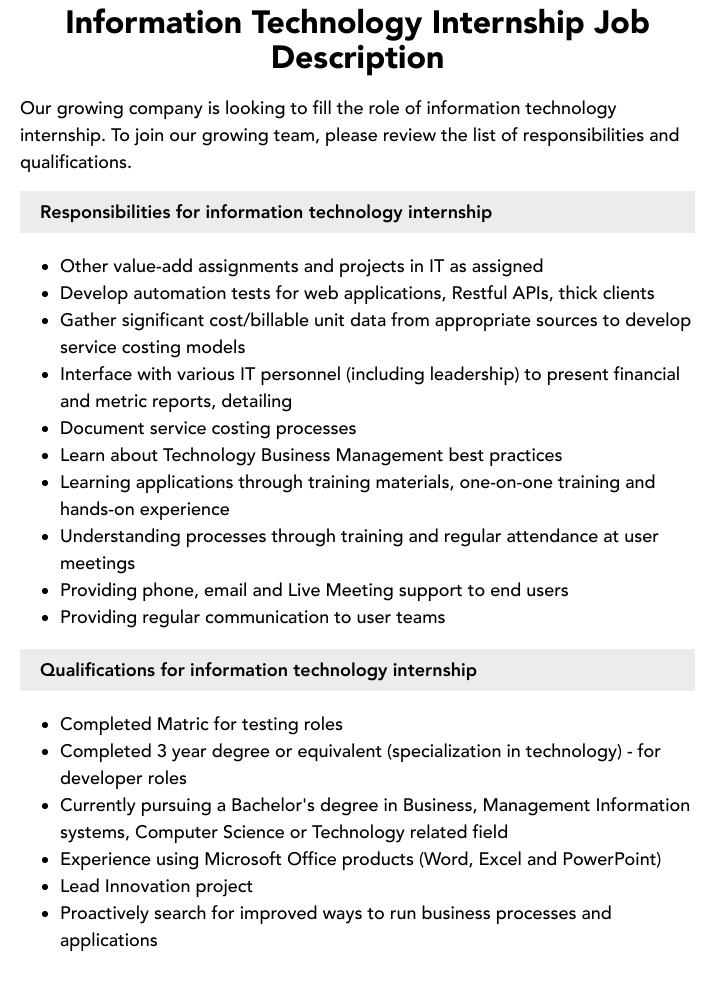

Microsoft offers several types of high school internship experiences depending on location and department. Some internships focus on technology and engineering exposure, while others introduce students to business, design, or research roles.
Technology-focused internships may include basic coding exercises, testing software features, or learning about cloud computing concepts. Business-oriented internships may involve marketing analysis, project coordination, or customer research. Research-focused experiences expose students to data analysis, experimentation, and scientific thinking.
This variety helps students explore interests rather than locking them into a single career path too early.
What Interns Actually Do Day to Day
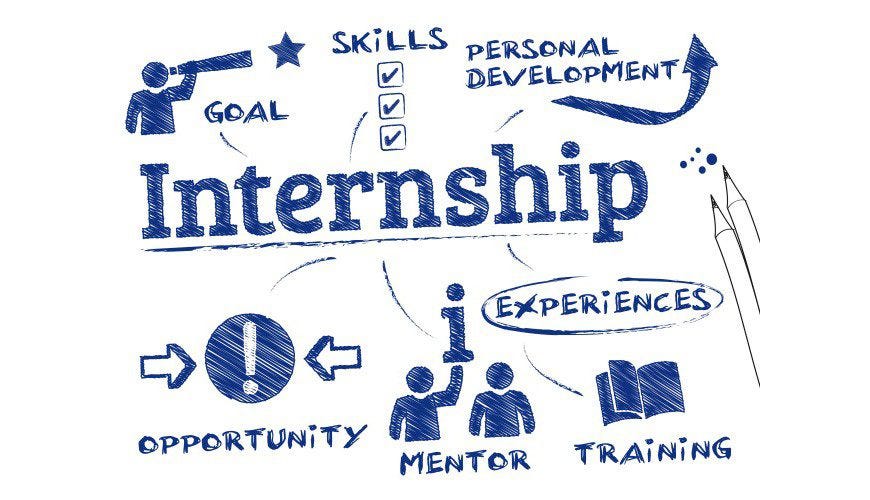


Daily work during a Microsoft High School Internship is structured and supportive. Interns usually start the day with check-ins or learning sessions. These may include workshops on communication, career planning, or technology fundamentals.
Hands-on tasks are designed to be achievable while still challenging. Interns might assist with testing, documentation, basic coding tasks, or research summaries. Team meetings allow students to observe professional collaboration and ask questions.
Mentors play a central role. Each intern is typically paired with a mentor who explains tasks, provides feedback, and answers questions. This guidance ensures that students learn effectively without feeling overwhelmed.
Skills Students Gain From the Experience
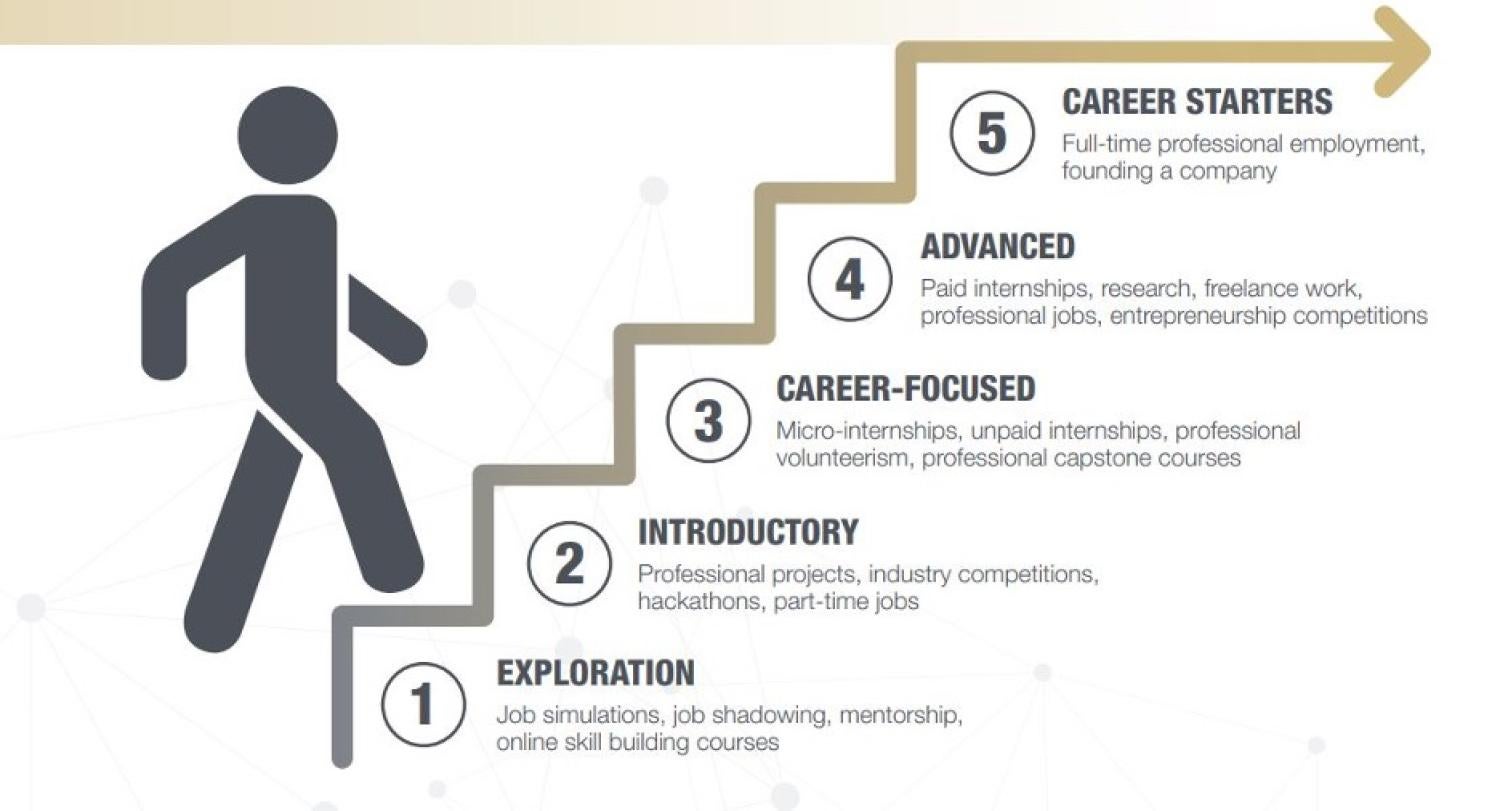

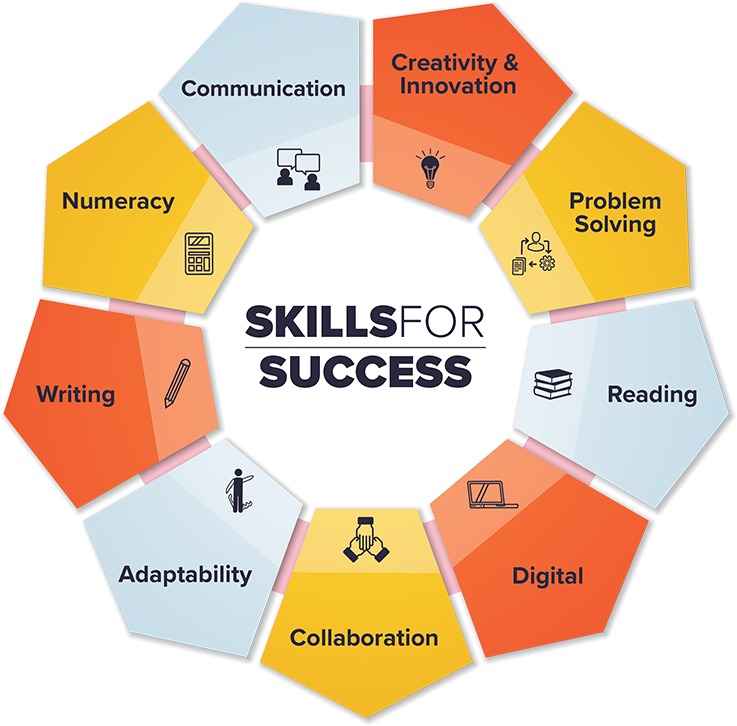
A Microsoft High School Internship builds both technical and non-technical skills. On the technical side, students learn how technology projects are structured, how tools are used, and how problems are broken into manageable steps.
Equally important are soft skills. Interns practice communication, teamwork, time management, and professional behavior. Learning how to ask questions, receive feedback, and collaborate respectfully is often the most valuable outcome.
These skills transfer to any future career path, whether or not the student ultimately works in technology.
Mentorship and Learning Support



Mentorship is a defining feature of the Microsoft High School Internship experience. Mentors help students understand not only what they are doing but why it matters.
Mentors share personal career stories, explain decision-making processes, and offer advice on education pathways. This human connection helps demystify professional success and makes long-term goals feel more achievable.
For many students, mentorship is the first time they interact closely with professionals in their field of interest. This exposure often has a lasting impact on confidence and motivation.
Learning Environment and Company Culture



Microsoft emphasizes a growth mindset culture, which is reflected in its internship programs. Mistakes are treated as learning opportunities rather than failures. Questions are encouraged, and curiosity is valued.
High school interns experience an environment where collaboration matters more than competition. Teams share knowledge openly, and students are invited to participate rather than observe silently.
This culture helps students understand that success in technology is not about knowing everything but about learning continuously and working well with others.
Application Process Explained Step by Step
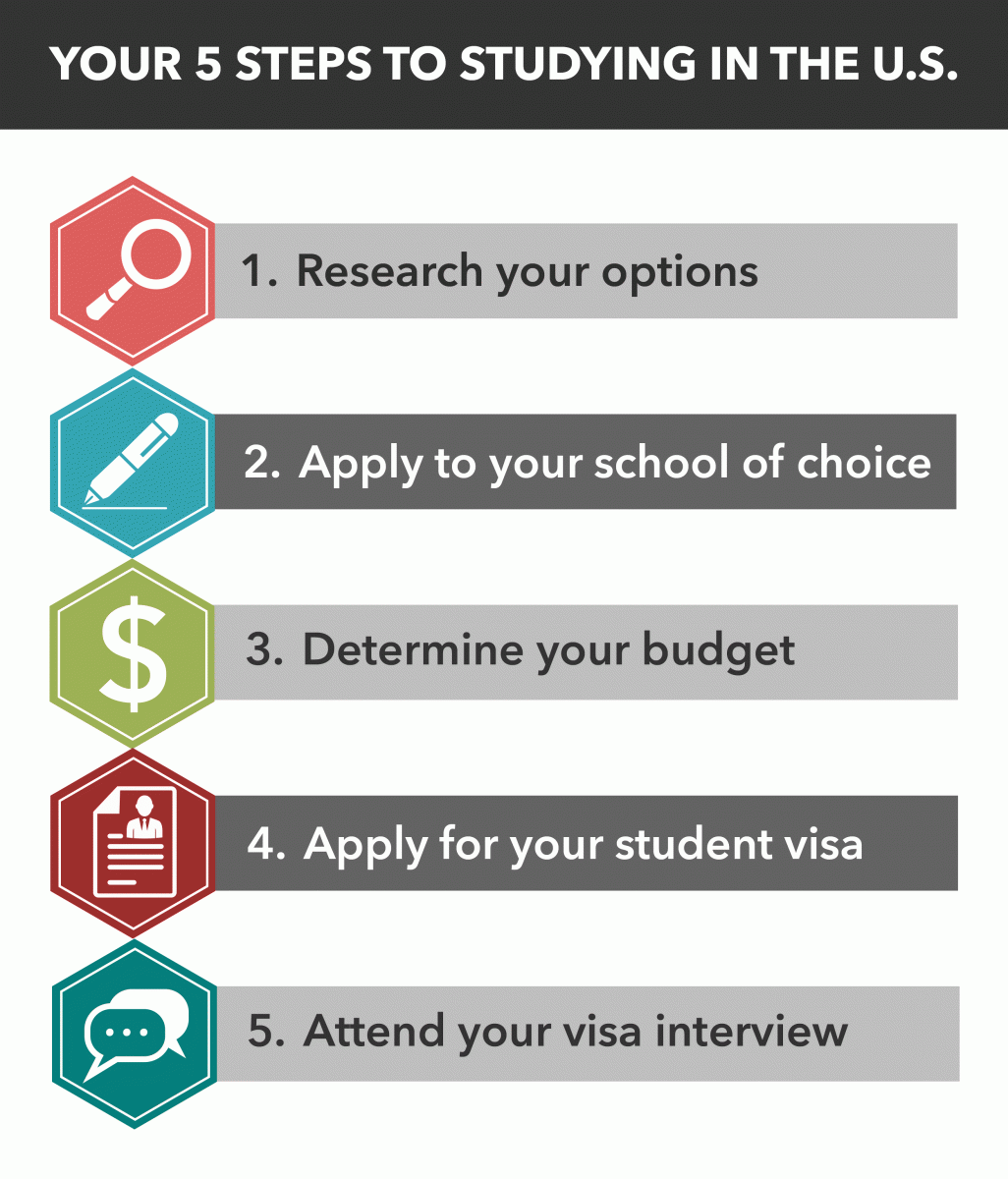
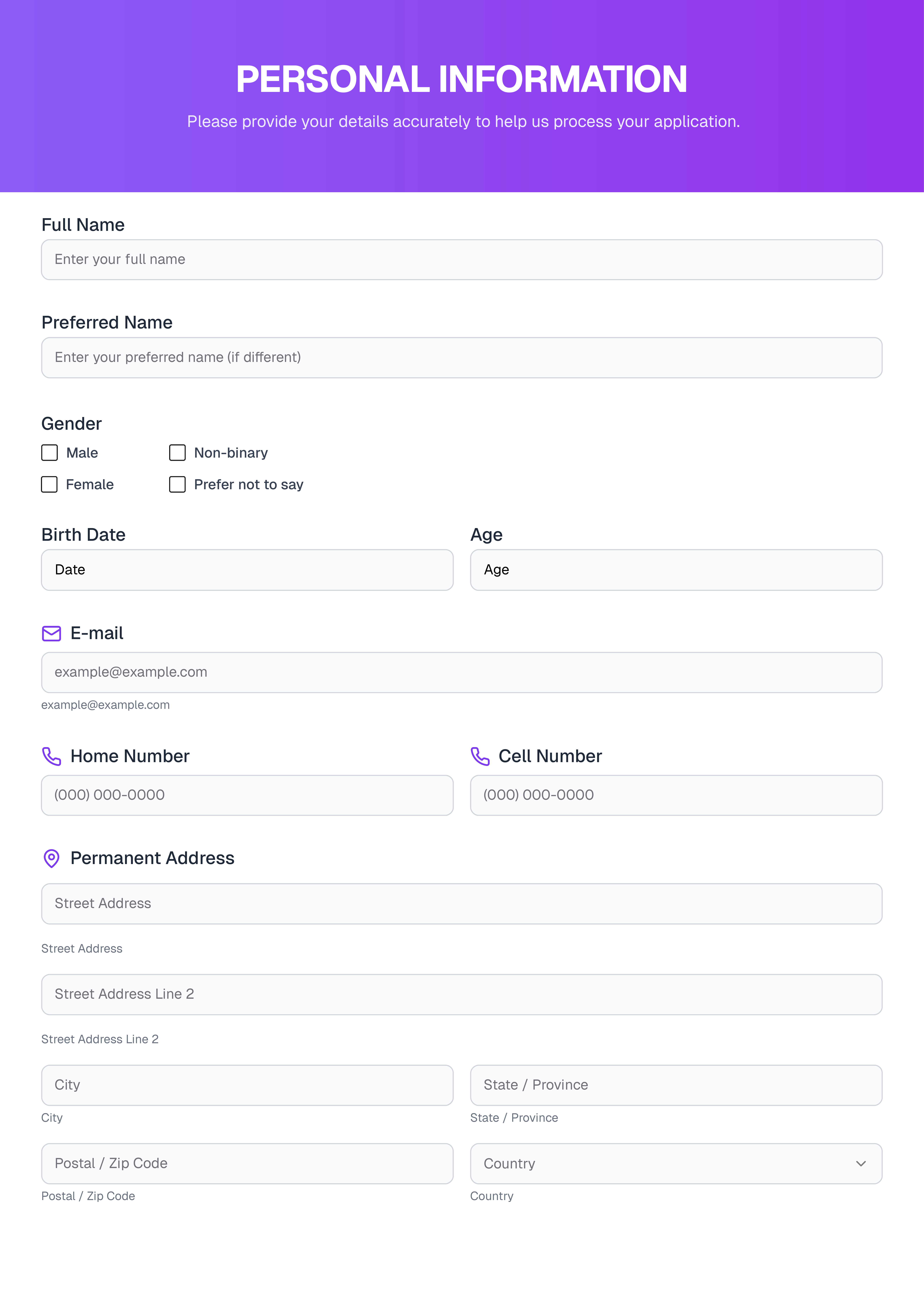
Applying for a Microsoft High School Internship typically begins with an online application. Students submit basic personal information, academic details, and short responses explaining their interests and goals.
Some programs require recommendation letters or teacher endorsements. Others include interviews or group activities designed to assess communication and teamwork rather than technical expertise.
Preparation matters. Students who reflect thoughtfully on why they are interested in technology and what they hope to learn tend to stand out more than those who focus only on achievements.
How Students Can Prepare Before Applying


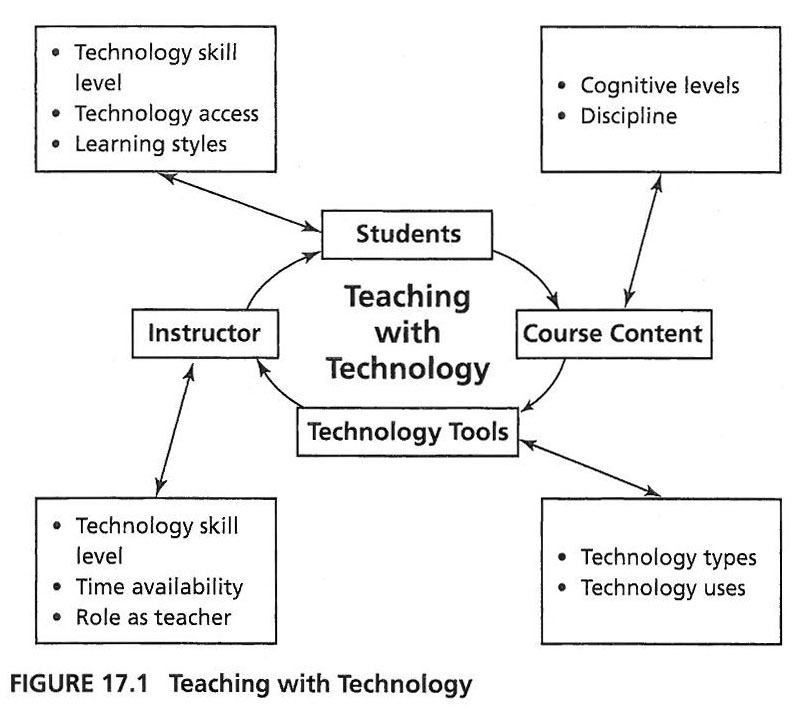
Preparation does not require advanced skills. Students benefit most from exploring interests, learning basic technology concepts, and practicing communication.
Simple steps like participating in school clubs, completing online learning modules, or building small personal projects can demonstrate initiative. Equally important is self-awareness. Knowing what excites you and what you want to explore helps you articulate your motivation clearly.
Preparation is about readiness to learn, not proving expertise.
Comparison of High School and College Internships


| Aspect | High School Internship | College Internship |
|---|---|---|
| Focus | Exploration and learning | Contribution and specialization |
| Skill Level | Beginner friendly | Intermediate to advanced |
| Mentorship | Very high | Moderate |
| Evaluation | Growth and engagement | Performance and results |
This comparison shows why high school internships are stepping stones rather than endpoints.
Long-Term Impact on Academic Choices
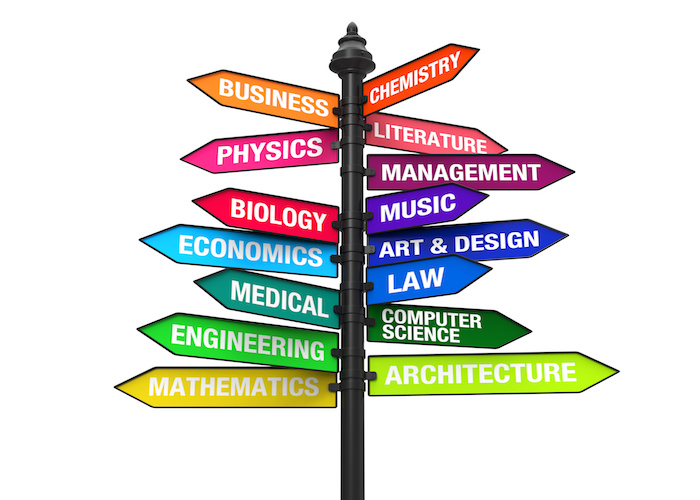

A Microsoft High School Internship often influences academic decisions. Students gain clarity about whether they enjoy technology environments and what areas interest them most.
Some students discover a passion for computer science. Others realize they prefer design, research, or business roles. Even students who decide against technology careers benefit from informed decision-making.
Clarity early reduces uncertainty later.
Career Pathways After the Internship


Many former high school interns continue engaging with Microsoft programs through college internships, scholarships, or mentorship networks. Others apply their experience to opportunities at different organizations.
The internship strengthens resumes, college applications, and personal statements by demonstrating initiative and real-world exposure. More importantly, it builds confidence in navigating professional environments.
The experience remains valuable regardless of where students go next.
Common Challenges and How Students Overcome Them


High school interns often face self-doubt, especially when surrounded by experienced professionals. Feeling behind or uncertain is normal.
Support structures exist to address this. Mentors, peers, and program coordinators provide reassurance and guidance. Students learn that asking questions is expected, not discouraged.
Table of Key Benefits for Students


| Benefit Area | Description |
|---|---|
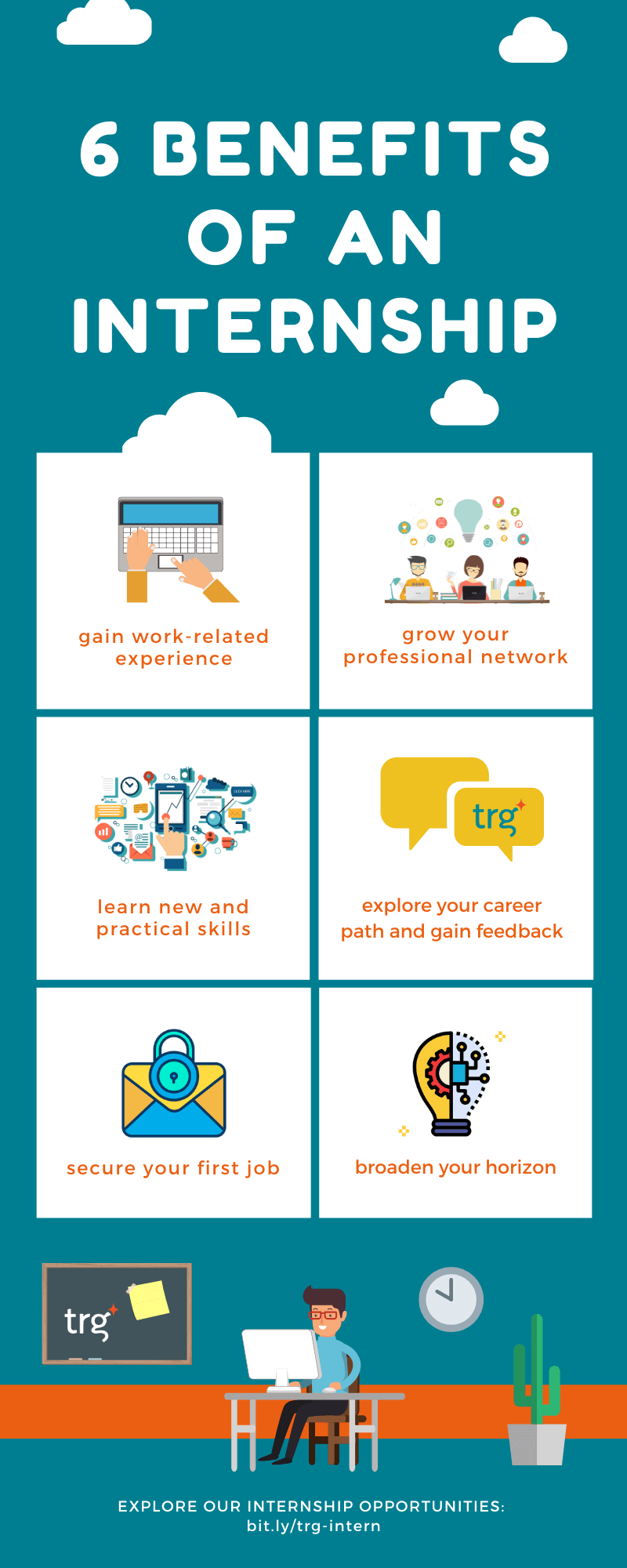
| Career Awareness | Understanding real-world roles |
| Skill Development | Technical and professional skills |
| Confidence | Comfort in professional settings |
| Networking | Early professional connections |
| Direction | Clearer academic and career goals |
Conclusion
I see the Microsoft High School Internship as a powerful learning opportunity rather than a credential. It introduces students to professional life in a supportive, structured way that prioritizes growth over performance. By focusing on curiosity, mentorship, and exploration, Microsoft helps students build confidence and clarity during a critical stage of development.
For students willing to learn and engage, the experience can shape academic choices, career aspirations, and personal confidence for years to come. It is not about becoming an expert early. It is about discovering possibilities and learning how to navigate them thoughtfully.
Read: Epormer and the Rise of Human-Centered Enterprise AI
FAQs
What is a Microsoft High School Internship
It is a learning-focused internship designed to introduce high school students to professional technology environments.
Do students need coding experience to apply
No, curiosity and willingness to learn matter more than technical background.
How long does the internship last
Duration varies, but most programs run for a few weeks during summer or academic breaks.
Is the internship paid
Some programs are paid while others focus on educational exposure, depending on location.
Does the internship help with college applications
Yes, it strengthens applications by showing initiative and real-world experience.