
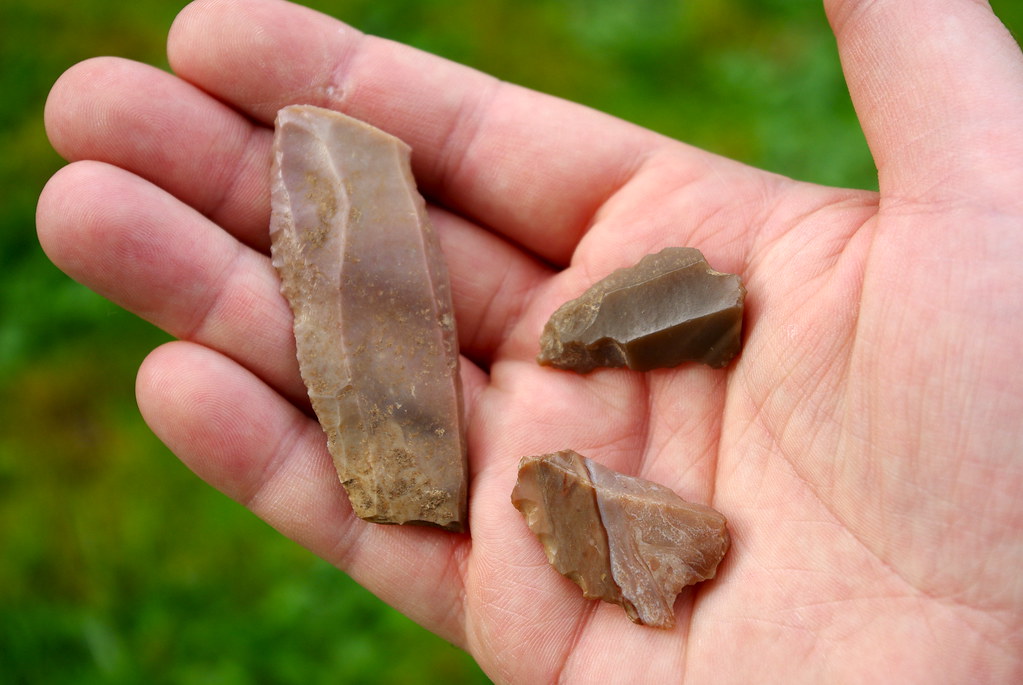
Neolithic tools represent one of the greatest technological leaps in early human civilization. They answered fundamental needs: cultivating land, building permanent homes, processing food, and shaping the earliest forms of community craftsmanship. For anyone searching to understand what Neolithic tools were, how they evolved, and why they mattered, the answer begins with their role in the transition from nomadic life to settled farming cultures. These tools were not simply objects; they were extensions of human intention designed, sharpened, reshaped, and repurposed as societies changed.
During the Neolithic period, roughly 10,000 BCE to 4,500 BCE depending on the region, stone tools grew more specialized than the broad, multi-use implements of the Paleolithic era. This development allowed early farmers to shape soil, harvest crops, grind grains, and build structures with increasing precision. As communities shifted away from dependence on hunting and foraging, the tools they created reflected their priorities: efficiency, durability, and domestic practicality.
The story of Neolithic tools is also the story of innovation through necessity. With agriculture came the need for better cutting edges, sturdier blades, and grinding surfaces that could withstand daily use. Craftspeople refined flaking and polishing techniques, creating axes, sickles, adzes, chisels, and grinding stones that look surprisingly modern in form. These items reflect an era of experimentation a time when human ingenuity turned raw stone into the instruments that enabled civilization.
The Evolution of Neolithic Toolmaking
Neolithic craftsmanship was grounded in a deeper understanding of material properties. Stone was selected not only for availability but for hardness, texture, and breakage patterns. Flint, chert, obsidian, basalt, and sandstone each served distinct purposes, shaping the way tools were used across different landscapes.
Polishing emerged as a hallmark innovation of the period. Unlike earlier chipped stone tools, polished axes had smoother surfaces, sharper edges, and longer lifespans. This technique involved grinding stone against larger slabs or sand mixed with water, producing a durable finish that made woodcutting and construction significantly easier.
The introduction of ground stone tools also marked the beginning of specialized labor. Some early communities developed toolmaking centers dedicated to producing high-quality axes for trade, suggesting early economic networks. The presence of unfinished tools at many archaeological sites indicates intentional workshop activity rather than casual, on-site improvisation.
Below is a structured comparison of core Neolithic tool categories:
Tool Function Comparison
| Tool Type | Primary Use | Material Commonly Used | Degree of Specialization |
|---|---|---|---|
| Polished Axes | Woodcutting, construction | Flint, basalt, schist | High |
| Sickles | Harvesting crops | Flint blades hafted in wood or bone | Medium |
| Grinding Stones | Processing grains | Sandstone or hard stone | High |
| Adzes | Shaping timber, carpentry | Hard stone | Medium |
| Chisels | Fine carving, crafting | Chert, obsidian | Medium |
These distinctions highlight how early societies crafted tools not merely for survival but for improving efficiency and shaping their environment with increasing sophistication.
Materials and Crafting Techniques
Neolithic tools were built on a deeper mastery of stone than seen in earlier ages. Craftspeople developed techniques that combined strategic breaking with intentional grinding, treating stone like a workable medium rather than an unyielding substance. The careful selection of raw materials reflects an awareness of geography and the mechanical strengths of each stone type.
One insightful observation from experimental archaeologists is that toolmaking required not only precise hand skills but also a strong understanding of how stone responded to pressure and impact. As one expert noted, “the polished stone tool is the index to the Neolithic Period,” indicating that polishing was not aesthetic but functional producing stronger, more resilient edges.
The crafting process typically involved several steps:
- Rough shaping: Large flakes struck off to approximate the intended shape.
- Fine flaking: Smaller, controlled removals refined outline and edge.
- Grinding & polishing: Smoothing surfaces and strengthening edges.
- Hafting: Attaching stone heads to wooden handles for leverage and precision, often bound with sinew, resin, or plant fiber.
These methods reveal not just technical competence but an organized production approach, with consistent forms suggesting shared knowledge across communities.
Agricultural Transformation Through Tools
Agriculture advanced dramatically with the new toolset. Neolithic implements such as sickles, grinding stones, and polished axes transformed scattered wild harvesting into organized, sustainable food production. Implements allowed early farmers to cut forested land, sow and harvest crops, and process grains into flour essential for long-term food storage and sedentary settlement.
One farming historian framing: when communities adopted grinding stones, their diets shifted significantly grains could be stored, processed, and turned into meals that sustained year-round habitation. That development marks a turning point. Tools allowed food security, which in turn encouraged habitation and population growth.
The timeline below sketches how Neolithic tools aligned with agricultural progression.
Timeline of Neolithic Tool Development & Agriculture
| Period | Tool Innovation | Agricultural Impact |
|---|---|---|
| Early Neolithic | Flint blades, simple axes | Initial cultivation of wild grains |
| Mid Neolithic | Polished axes, grinding stones | Larger-scale farming, grain processing |
| Late Neolithic | Specialized harvesting & woodworking tools | Expansion of permanent villages |
With these tools, humans began to reshape their environment in earnest — clearing fields, building dwellings, storing grain — laying the foundation for the first permanent communities.
Social and Cultural Implications of Neolithic Tools
Neolithic tools reveal not only advances in technology but deeper shifts in society. Permanent settlement changed family structure, labor divisions, and trade networks. Tools often appeared in graves or hoards polished axes and celts, sometimes elaborately crafted, suggesting symbolic or social value beyond mere utility.
Some of the finely polished axes, sometimes made from rare rock types like jadeite or greenstone, are unlikely to have been everyday tools. Their craftsmanship and material suggest they served ceremonial or prestige functions markers of status or identity.
Trade networks are also hinted at in the distribution patterns: rock types sourced from distant quarries are found in settlements far removed from the source location, indicating exchange, travel, or long-distance procurement. This early trade underlines the complexity of Neolithic society.
Craft specialization grew as well individuals or families devoted to toolmaking emerged, supporting not only neighbors but distant communities. That earliest division of labor helped define social structures beyond simple household production.
Overlap and Transition: Stone Tools in the Metal Age
Neolithic ground-stone technology did not vanish once metalworking began. Even as copper, bronze, and later iron became more widespread, many stone tools continued to be used for decades sometimes centuries for tasks and contexts where stone remained practical or where metal was scarce.
This overlap underlines that stone tools were not simply primitive relics replaced overnight, but trusted and durable implements that adapted alongside new materials. Communities used stone and metal tools in parallel, often valuing stone tools for their ease of manufacture, durability, and local availability.
Takeaways
- Neolithic tools introduced a major leap: ground and polished stone implements replacing earlier flaked tools.
- The Neolithic toolkit was diverse axes, adzes, sickles, grinding stones, chisels, and bone tools, each tailored for specific tasks.
- Polishing and grinding techniques enhanced durability and efficiency key for agriculture, construction, and daily life.
- Agriculture and settlements grew in tandem with tool innovation, enabling permanent villages and food stability.
- Stone-tool production fostered early craft specialization, trade networks, and social stratification.
- Even with the rise of metalworking, stone tools remained useful and widespread showing technological layering rather than abrupt replacement.
- Archaeologically, Neolithic tools offer vital insights into early human economies, social structure, environment interaction, and technological innovation.
Conclusion
Neolithic tools mark a defining moment in human history: the shift from mobile hunter-gatherer groups to settled agricultural societies capable of shaping their environment, producing surplus food, building durable dwellings, and forming complex social structures. The polished axe that felled trees, the sickle that harvested grain, the grinding stone that turned grain to flour these implements were not mere conveniences, but engines of transformation.
Their manufacture reflects deep material knowledge, careful craftsmanship, and early specialization. Their use reflects community organization, environmental adaptation, and societal ambition. And their legacy persists: stone tools remained valued even as metal took over, bridging epochs and reminding us that innovation often builds upon what came before.
The world our ancestors carved quite literally from stone and earth remains beneath our feet, in fields, ruins, and museums. Through those stones, we glimpse the creativity, resilience, and foresight of the first farmers, builders, and artisans who laid the foundations of human civilization.
FAQs
What materials were most commonly used in Neolithic tools?
Hard stones like basalt, jadeite, schist, flint, chert, and obsidian were favored each selected for hardness, fracture behavior, or suitability for particular tool types.
How did Neolithic axes differ from earlier stone tools?
Neolithic axes were ground and polished rather than simply chipped. The polishing created stronger, smoother, longer-lasting edges ideal for woodworking and land clearing.
What was the purpose of grinding stones (querns)?
Querns allowed early farmers to grind cereal grains into flour, making food storage and preparation reliable a key step toward stable, sedentary communities.
Did Neolithic communities trade tools or raw materials?
Yes. Evidence from archaeological sites shows tools and raw stone sourced from distant quarries suggesting early trade, exchange networks, and shared craftsmanship knowledge.
Did stone tools disappear after metalworking emerged?
No. Even after metals appeared, many communities continued using stone tools for generations due to their local availability, familiarity, and effectiveness for specific tasks.
References
Britannica. (n.d.). Neolithic tools. In Britannica Online Encyclopedia. Retrieved from https://www.britannica.com/technology/hand-tool/Neolithic-tools Encyclopedia Britannica
BA Notes. (n.d.). Neolithic Revolution: Polished Tools and the Dawn of Agriculture. BA Notes. BA (Bachelor of Arts) Hub+1
IME Chronos. (n.d.). Tools of Stone, Bone and Antler in the Neolithic. IME Greece. ime.gr
Short History. (n.d.). Neolithic – New Stone Age. ShortHistory.org. shorthistory.org
BA Notes. (n.d.). Neolithic Grinding and Polishing Stone Tool Techniques. BA Notes. BA (Bachelor of Arts) Hub
Stone Age – Britannica Kids. (n.d.). Stone Age summary and Neolithic crafts. Britannica Kids. Britannica Kids
Civitales. (n.d.). Neolithic Tools and Technology Overview. Civitales.com. My Blog
HandWiki. (n.d.). Stone Tool – Historical Use and Trade of Polished Axe. HandWiki. HandWiki+1
National Archives (Kirklees history). (n.d.). Early inhabitants and Neolithic tool use in upland Britain. MyLearning/Kirklees. mylearning.org
Wikipedia contributors. (2025, Quern-stone entry). Quern-stone. In Wikipedia. Wikipedia