Tonga, a scattered Polynesian archipelago in the South Pacific, represents a unique blend of tradition, governance, and environmental vulnerability. Stretching over hundreds of kilometers, the kingdom comprises more than 170 islands, though only a fraction are inhabited. With its constitutional monarchy, Tonga is the only surviving monarchy in Oceania, maintaining a delicate balance between historical authority and contemporary democratic reforms.
Visitors and scholars alike are drawn to its rich culture, verdant landscapes, and social cohesion. The islands’ volcanic peaks and coral atolls create both fertile land and natural hazards, influencing agriculture, settlement, and transportation. Tonga’s economy depends largely on agriculture, fisheries, and remittances from a widespread diaspora, while tourism remains modest but culturally significant. This article explores Tonga’s geography, history, governance, society, environment, and culture, offering a comprehensive perspective on a nation defined by both tradition and modernity.
Geography and Island Composition
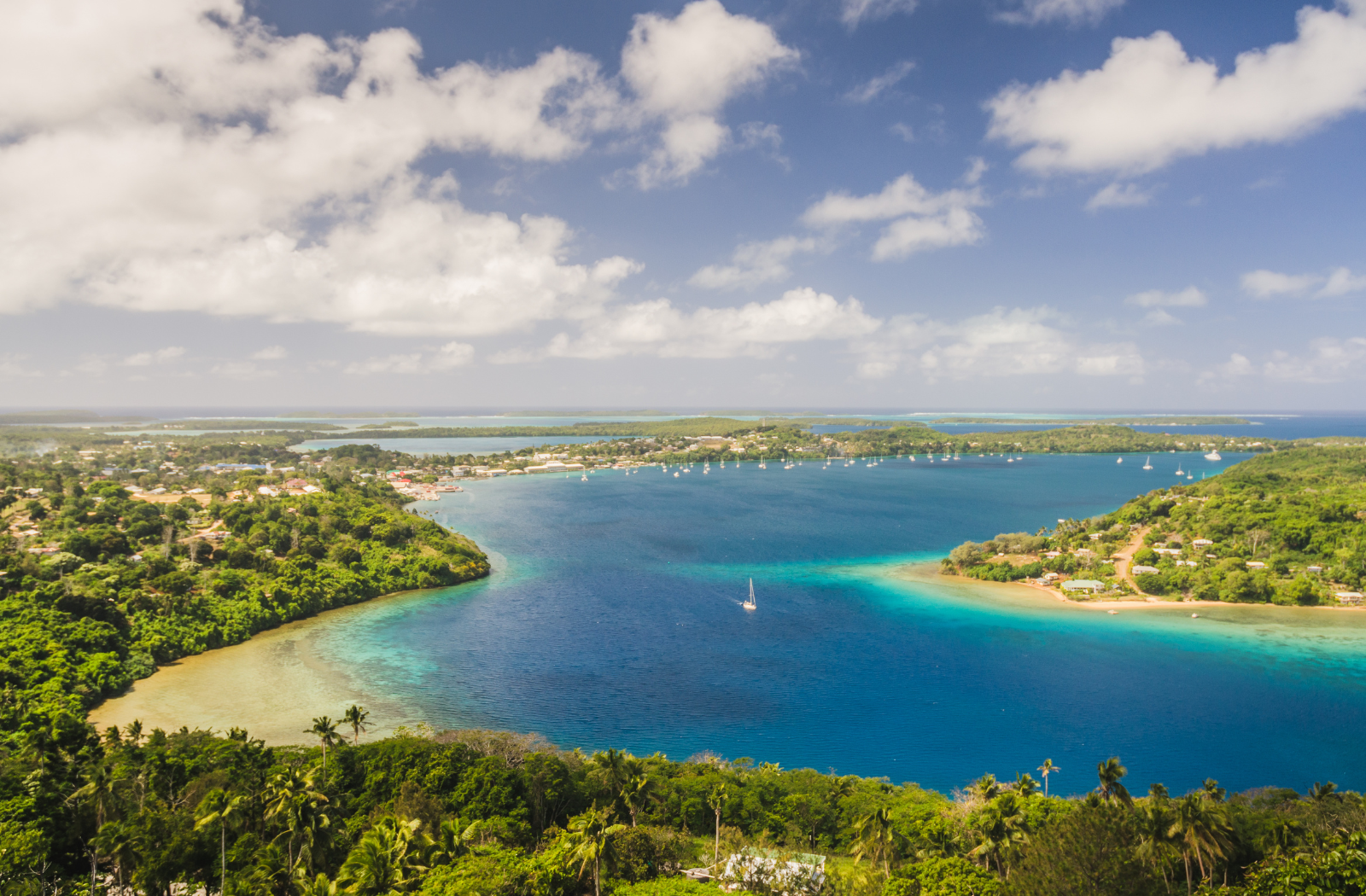
Tonga is situated roughly two-thirds of the way between Hawaii and New Zealand, comprising three primary island groups: Tongatapu in the south, Haʻapai centrally, and Vavaʻu in the north, along with remote volcanic and coral outliers. The archipelago spans over 800 kilometers, featuring both volcanic islands with fertile soils and low-lying coral atolls, which provide diverse ecosystems and human habitats.
The islands’ topography varies dramatically. Volcanic islands such as Kao and ʻEua rise steeply above sea level, offering rich soil for agriculture, while coral islands remain flat and vulnerable to storm surges. Tonga’s tropical maritime climate is moderated by southeast trade winds, with a hot, humid season from December to April and a cooler season from May to November. Rainfall patterns differ among islands, creating microclimates that affect agriculture and daily life.
Historical Development
Human settlement in Tonga dates back over three millennia, rooted in the Lapita culture known for distinctive pottery and long-distance maritime navigation. By the 10th century, Tonga had developed a stratified society under the sacred Tuʻi Tonga dynasty, extending influence across parts of the Pacific.
The 19th century marked a critical period with King Taufaʻahau Tupou I unifying the islands, introducing Christianity, and codifying the 1875 constitution, which established Tonga as a constitutional monarchy. Despite becoming a British protectorate in 1900, Tonga retained internal self-governance and joined the Commonwealth in 1970 as a fully sovereign state. This historical trajectory highlights a consistent emphasis on sovereignty, cultural continuity, and political stability.
Population and Society
As of 2023, Tonga has an estimated population of around 105,000, primarily concentrated on Tongatapu. The population is ethnically homogenous, with over 96 percent identifying as Tongan. The society is young, with a median age of approximately 25 years, and relies heavily on family networks and community cohesion.
Economically, the nation depends on subsistence agriculture, fishing, and remittances from Tongans abroad. Traditional crops such as coconuts, taro, and yams dominate production, while exports remain limited. Tourism is modest but culturally significant, focusing on eco-tourism and heritage experiences. These economic conditions reflect both the limitations of a small island economy and the resilience of tightly-knit communities.
Governance and Monarchy
Tonga’s political system combines monarchical authority with parliamentary governance. The King serves as Head of State, while a parliament comprising elected representatives and hereditary nobles manages legislation and day-to-day governance. The 2010 electoral reforms marked a shift toward greater democratic representation, allowing for the election of a Prime Minister by parliament.
Customary authority, land tenure governed by chiefly lines, and cultural practices continue to influence political decisions. The system reflects a unique balance between tradition and modern governance, ensuring that social cohesion and cultural heritage remain central to political life.
Environmental Context
Tonga is vulnerable to a range of environmental hazards. Its volcanic islands and coral atolls are exposed to cyclones, earthquakes, tsunamis, and the impacts of climate change, including sea-level rise. The fertile volcanic soils support agriculture, but low-lying atolls are particularly at risk from storm surges and saltwater intrusion.
The 2022 eruption of the Hunga Tonga–Hunga Haʻapai volcano exemplified these vulnerabilities, triggering a tsunami and widespread damage. Recovery efforts relied on community networks, diaspora support, and international aid, underscoring the importance of social resilience in the face of environmental threats.
Culture, Faith, and Identity
Tongan culture emphasizes communal values, kinship, and respect for hierarchical structures, anchored in the monarchy and chiefly lines. Christianity plays a central role, shaping moral life, social rituals, and community cohesion. Church gatherings, traditional ceremonies, and cultural festivals reinforce collective identity and sustain social bonds across generations.
Language, music, dance, and art preserve heritage, while emigration and global connections introduce modern influences. This cultural blend allows Tonga to navigate modernization without losing its historical and spiritual foundations, demonstrating resilience through continuity.
Economic Profile
| Sector | Contribution | Characteristics |
|---|---|---|
| Agriculture | 40% | Subsistence crops: taro, yams, coconuts |
| Fisheries | 20% | Coastal and reef-based; small-scale exports |
| Remittances | 25% | Income from diaspora in Australia, New Zealand, USA |
| Tourism | 10% | Limited, focused on eco- and cultural tourism |
| Other | 5% | Services, trade, government |
The economy is small and specialized, with limited diversification. Remittances play a significant role in household income and social stability, while agriculture and fisheries remain central to local livelihoods.
Comparative Insights
| Feature | Tonga | Typical Pacific Island Nation |
|---|---|---|
| Political System | Constitutional monarchy | Predominantly republics or parliamentary democracies |
| Number of Islands | ~171 | Varies, often fewer than 50 |
| Population | ~105,000 | Often 100,000–500,000 |
| Main Economic Activity | Agriculture & remittances | Tourism, fisheries, and aid |
| Environmental Risk | High (cyclones, volcanic, sea-level rise) | Varies depending on geography |
| Cultural Continuity | Strong monarchy and tradition | Mixed, some modernized |
Tonga’s political structure and cultural continuity distinguish it from other small island states, highlighting the interplay of tradition and modern governance.
Expert Perspectives
“Tonga’s blend of monarchy and democracy is a rare example of tradition coexisting with modern political structures.” — Political Scientist, Oceania Studies
“The islands’ geographic isolation shapes social resilience, with communities relying on networks rather than infrastructure alone.” — Environmental Anthropologist
“Cultural identity in Tonga is inseparable from its geography and history; the monarchy provides both continuity and social cohesion.” — Pacific Historian
Takeaways
- Tonga remains the only monarchy in Oceania, integrating tradition with democratic reforms.
- Its 170+ islands exhibit volcanic and coral landscapes, shaping settlement and economy.
- The economy relies on agriculture, fisheries, remittances, and limited tourism.
- Vulnerable to natural hazards, Tonga emphasizes social resilience and community networks.
- Christianity and kinship underpin social cohesion and cultural identity.
- Historical continuity and monarchical authority sustain governance and social order.
- Environmental risks necessitate adaptive strategies for future sustainability.
Conclusion
Tonga’s archipelago is a living example of resilience, culture, and adaptation. Its monarchy, communal values, and geographic isolation have shaped a society that balances tradition with contemporary governance. Vulnerable to environmental hazards, the kingdom relies on social cohesion, diaspora support, and cultural continuity to navigate crises. The islands’ future depends on sustainable development, climate adaptation, and preserving heritage while engaging with global systems. Tonga embodies a rich Polynesian history while facing modern challenges, offering lessons in survival, identity, and the enduring importance of cultural and social bonds.
FAQs
What is Tonga?
Tonga is a South Pacific island kingdom of more than 170 islands, governed as a constitutional monarchy.
How many people live in Tonga?
Approximately 105,000, primarily on the main island of Tongatapu.
What languages are spoken in Tonga?
Tongan is the primary language, with English widely used in government and education.
Why is Tonga vulnerable to disasters?
Its low-lying coral atolls, volcanic islands, and exposure to cyclones, tsunamis, and rising seas increase risk.
How does Tonga’s government operate?
Tonga combines monarchical authority with parliamentary democracy, balancing tradition with modern governance.
References
Central Intelligence Agency. (2023). The World Factbook: Tonga. CIA. https://www.cia.gov/the-world-factbook/about/archives/2023/countries/tonga/summaries/
Encyclopaedia Britannica. (n.d.). Tonga. Britannica. https://www.britannica.com/summary/Tonga
Encyclopaedia Britannica. (n.d.). History of Tonga. Britannica. https://www.britannica.com/topic/history-of-Tonga
Government of Tonga / InvestTonga. (2025). Tonga at a glance. https://www.investtonga.gov.to/key-advantages-for-investors-in-tonga/tonga-at-a-glance
Convention on Biological Diversity Secretariat. (2025). Kingdom of Tonga: First National Report. https://www.cbd.int/doc/world/to/to-nr-01-en.pdf