
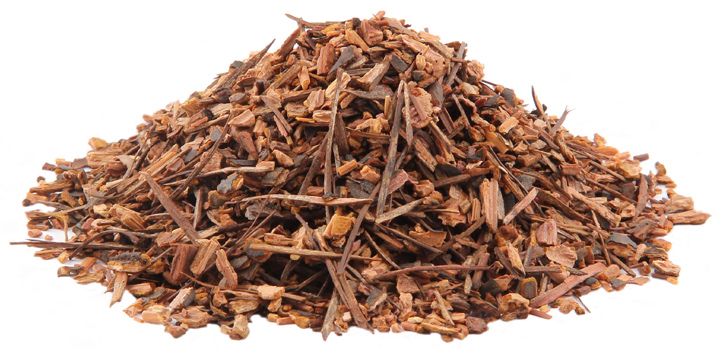
Sarsaparilla root has returned to public discussion in 2025 with a familiarity that feels almost nostalgic. The name recalls old apothecaries, early soda fountains, and handwritten labels promising renewal and vigor. Yet behind the imagery lies a more complicated reality. Sarsaparilla is neither a miracle cure nor a relic without value. It is a plant with a long cultural history, a modest scientific profile, and a modern audience eager to understand what it can realistically offer.
At the most basic level, sarsaparilla refers to the roots of several Smilax species, woody climbing vines native to the Americas and parts of Asia. These roots were used for centuries as tonics, teas, and medicinal decoctions. In the first hundred words, the essential answer readers seek is this: sarsaparilla root contains bioactive compounds associated with mild anti-inflammatory and antioxidant effects, but most modern health claims exceed the strength of available evidence. Its true value lies in context, moderation, and transparency.
The renewed interest reflects a broader shift toward plant-based wellness and skepticism toward synthetic solutions. Consumers are no longer satisfied with folklore alone; they want explanations grounded in chemistry, history, and safety. This article examines sarsaparilla root not as a cure-all, but as a case study in how traditional remedies are reassessed in the modern era.
Botanical Identity and Species Diversity
Sarsaparilla is not a single plant but a collective name for multiple species within the Smilax genus. Commonly referenced varieties include Smilax officinalis, Smilax ornata, and Smilax glabra. Each species grows in different ecological conditions, producing roots with varying chemical profiles. This diversity complicates both research and consumer understanding, as supplements rarely specify which species is used.
Botanically, Smilax belongs to the Smilacaceae family. The vines are slow-growing, often requiring several years before their roots are harvested. Traditional practices favored mature roots, believing potency increased with age. Modern harvesting sometimes accelerates this timeline, raising questions about consistency and sustainability.
A recurring challenge in herbal research is standardization. Without uniform species identification and processing methods, comparing studies becomes difficult. This issue is particularly relevant to sarsaparilla, whose reputation has fluctuated alongside changing preparation techniques.
Historical Use Across Cultures
The earliest documented uses of sarsaparilla come from Indigenous communities in Central America and the Caribbean. Oral traditions describe its use for joint pain, skin conditions, and general weakness. These applications were rooted in holistic systems that emphasized balance rather than isolated symptoms.
When European explorers encountered sarsaparilla in the 16th century, they brought it back as a potential remedy for chronic diseases common at the time. By the 18th century, it had become a staple in European and American pharmacopeias. Physicians prescribed it for rheumatism, gout, and venereal diseases, often without clear evidence but with considerable confidence.
The decline of sarsaparilla’s medical status began in the late 19th century, as laboratory science and antibiotics reshaped medicine. What remained was its cultural presence, especially in beverages and tonics. Understanding this history helps explain why the plant still carries symbolic weight, even when scientific support is limited.
Chemical Composition and Functional Compounds
Modern interest in sarsaparilla centers on its phytochemistry. The roots contain saponins, flavonoids, plant sterols, and phenolic compounds. Saponins, in particular, are known for their ability to interact with cholesterol and influence inflammatory pathways in laboratory settings.
Antioxidant activity has been demonstrated in vitro, suggesting that sarsaparilla compounds can neutralize free radicals under controlled conditions. Anti-inflammatory effects have also been observed in animal studies, particularly relating to joint inflammation. These findings form the scientific basis for many contemporary claims, though translating them to human health outcomes remains challenging.
A recurring point in academic reviews is that chemical activity does not automatically equate to clinical benefit. Dosage, absorption, and long-term use all influence real-world effects, and these variables are not yet well defined for sarsaparilla.
Traditional Claims and Modern Evidence
Sarsaparilla is commonly marketed for detoxification, skin health, joint support, and hormonal balance. Of these, joint and skin support have the strongest historical grounding, though modern clinical evidence remains sparse. Detoxification claims are largely unsupported, as the body’s primary detox systems the liver and kidneys operate independently of herbal tonics.
Hormonal claims persist due to the presence of plant sterols, which resemble human steroid hormones in structure. However, resemblance does not translate into hormonal conversion. Endocrinology research consistently shows that plant sterols do not raise testosterone or estrogen levels in humans.
An often-cited expert perspective emphasizes restraint: sarsaparilla may support general wellness as part of a balanced lifestyle, but it should not be viewed as a targeted treatment.
Comparison With Other Common Roots
| Root | Traditional Focus | Evidence Level | Typical Use |
|---|---|---|---|
| Sarsaparilla | Inflammation, skin | Low–Moderate | Extracts, teas |
| Turmeric | Inflammation | Moderate–High | Capsules, spice |
| Ginger | Digestion | High | Fresh, supplements |
| Dandelion root | Digestive support | Moderate | Teas, tinctures |
This comparison highlights why sarsaparilla occupies a modest position in modern herbal practice. Its effects are gentler and less specific than better-studied alternatives.
Safety, Dosage, and Quality Concerns
Historically, sarsaparilla has been considered relatively safe when used in traditional forms such as teas or decoctions. Modern supplements, however, concentrate active compounds, increasing the risk of gastrointestinal irritation. Nausea and diarrhea are the most commonly reported side effects at higher doses.
Quality control is another concern. Misidentified species or contamination during processing can introduce risks unrelated to the plant itself. Pregnant or breastfeeding individuals are typically advised to avoid concentrated extracts due to limited safety data.
A consistent recommendation from public health authorities is to treat herbal products with the same caution as conventional supplements, paying attention to sourcing and labeling.
Cultural Revival and the 2025 Wellness Landscape
In 2025, sarsaparilla’s resurgence reflects broader trends in wellness culture. Craft beverage producers are revisiting traditional root-based recipes, while herbalists frame sarsaparilla as a “lost root” deserving reconsideration. This narrative appeals to consumers seeking authenticity and historical continuity.
The market response has included greater transparency, with some brands disclosing species, origin, and extraction methods. This shift aligns with a more informed consumer base and represents a positive development for herbal commerce.
Sustainability and Ethical Harvesting
As demand increases, sustainability becomes critical. Smilax vines require years to mature, and overharvesting can damage forest ecosystems. Ethical suppliers emphasize rotational harvesting and collaboration with local communities. These practices not only protect biodiversity but also preserve traditional knowledge systems tied to the plant.
Takeaways
- Sarsaparilla root comes from multiple Smilax species, affecting consistency.
- Historical use suggests safety more than strong efficacy.
- Anti-inflammatory effects exist but are mild.
- Detox and hormonal claims lack solid evidence.
- Cultural value plays a significant role in its modern appeal.
- Responsible sourcing and realistic expectations are essential.
Conclusion
Sarsaparilla root’s modern revival is best understood as a conversation between past and present. Its long history offers insight into how people once approached health, while modern science provides tools to evaluate those traditions critically. In 2025, sarsaparilla stands not as a cure, but as an example of how herbal remedies can be appreciated without exaggeration.
For readers navigating wellness choices, the lesson is clarity. Sarsaparilla may complement a balanced lifestyle, but it should not replace evidence-based care. Its enduring presence reminds us that health practices evolve, and wisdom often lies in knowing both the limits and the value of what tradition hands down.
FAQs
What is sarsaparilla root mainly used for today?
It is used in herbal supplements and traditional beverages, often for general wellness support.
Is sarsaparilla scientifically proven to cure diseases?
No. Evidence supports only mild supportive effects, not disease cures.
Does sarsaparilla affect hormones?
No reliable human evidence shows hormonal changes from sarsaparilla use.
Is it safe for daily use?
Occasional, moderate use is generally considered safe, but concentrated extracts require caution.
Why is it popular again in 2025?
Renewed interest in traditional botanicals and transparency in wellness products has driven its return.
Meta Description: A clear 2025 review of sarsaparilla root, exploring history, chemistry, safety, cultural revival, and realistic expectations for modern wellness.
References
Encyclopaedia Britannica. (2023). Sarsaparilla.
Mayo Clinic. (2020). Herbal supplements: What to know before you buy.
National Center for Complementary and Integrative Health. (2022). Herbal medicine overview.
U.S. National Library of Medicine. (2021). Smilax species and phytochemical data.
World Health Organization. (2019). WHO monographs on selected medicinal plants.