
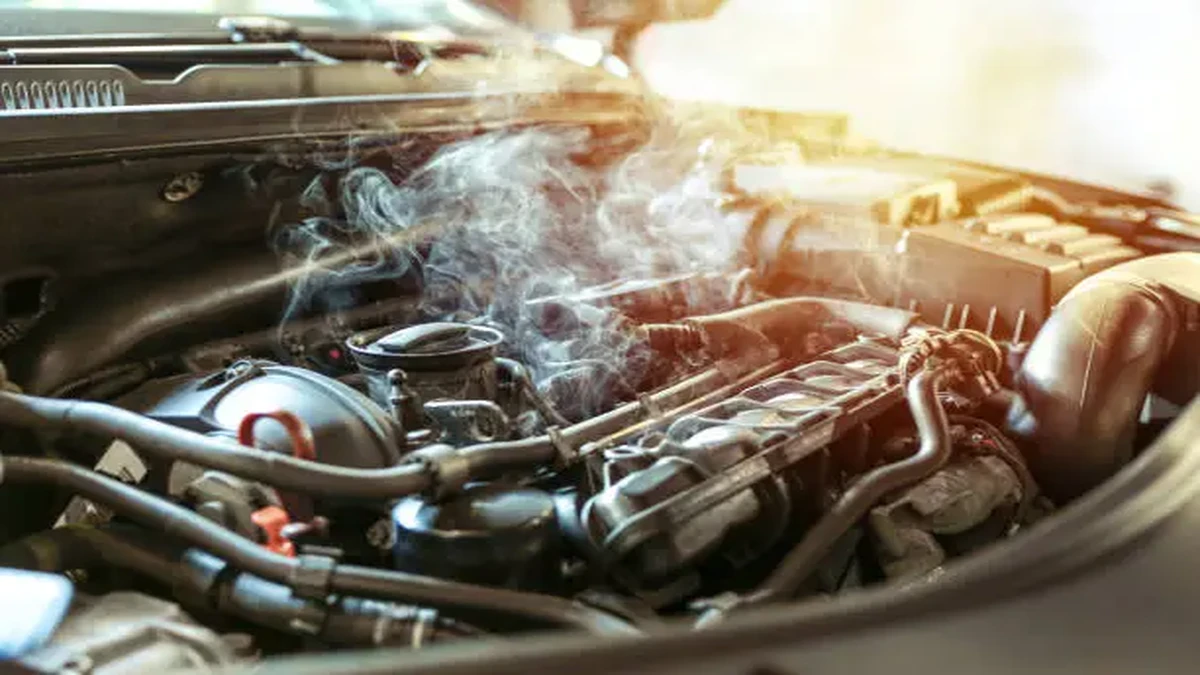
Engine overheating is one of the most common and costly issues drivers face, and it often strikes at the most inconvenient times. While many people assume overheating only happens in extreme heat or due to low coolant, the truth is much more complex. Today’s engines depend on multiple interconnected components—coolant hoses, sensors, thermostats, radiators, fans, and more. When even one of these parts begins to fail, temperatures can rise quickly. If you’ve recently experienced overheating or heard unusual metal noises when opening the hood, checking your car hood latch ensures safe access before inspecting the cooling system.
Most overheating problems begin small: a slight coolant drip, a radiator fan kicking on late, or minor temperature fluctuations during acceleration. But without early detection and preventative care, those small issues escalate into major failures capable of damaging the head gasket, warping the cylinder head, or destroying the engine entirely.
Cooling Components That Fail First
Your vehicle’s cooling system is designed to keep engine temperatures within a strict range. When one component struggles, the entire system is put under stress. Some parts are more prone to failure than others, and understanding these weak points can help you catch problems early.
1. Thermostat Malfunction
The thermostat regulates coolant flow. When it sticks closed, coolant can’t circulate, causing the engine to overheat rapidly. When stuck partially open, you may notice fluctuating temperatures or poor heater performance. Thermostats weaken with age and should be replaced at the first sign of erratic behavior.
2. Failing Water Pump
A worn or leaking water pump cannot circulate coolant efficiently. Symptoms include coolant dripping from the front of the engine, a whining noise, or steam coming from the radiator area. The water pump is a vital part of the cooling cycle—and when it fails, overheating follows quickly.
3. Weak Radiator Fan or Faulty Fan Relay
Your engine depends on its cooling fan during idling and low-speed driving. A malfunctioning fan can’t pull enough air through the radiator, especially on hot days or in traffic. Overheating that only occurs while stopped is a strong sign of fan problems.
4. Cracked or Collapsing Hoses
Coolant hoses deteriorate from the inside out. A hose may look fine externally while internally softening or collapsing, restricting coolant flow. If overheating fluctuates during acceleration, hose collapse may be the cause.
5. Radiator Blockage or Internal Build-Up
Sediment and corrosion inside the radiator restrict coolant passage. This buildup occurs more quickly when coolant isn’t changed regularly or when mixed coolant types cause chemical reactions.
If you need safe access under the vehicle to inspect the water pump, radiator, or lower hoses, using durable automotive jack stands keeps the vehicle secure while you diagnose cooling system issues.
How Preventative Maintenance Avoids Costly Repairs
Engine overheating is preventable. Most failures happen when a component is already worn or when maintenance intervals have been stretched too long. Proper preventative care eliminates the most common causes.
1. Regular Coolant Flushes
Coolant degrades over time, losing its ability to resist corrosion and regulate temperature. Old coolant becomes acidic and begins to eat away at gaskets, radiators, and water pumps. Flushing the system every 2–5 years prevents internal corrosion and coolant breakdown.
2. Inspecting Hoses and Belts
Cooling system hoses operate under high pressure—especially at highway speeds or during towing. Replacing soft, cracked, or swollen hoses prevents sudden failures. Likewise, serpentine belts that power the water pump must stay tight and free of cracks.
3. Monitoring Coolant Levels
Low coolant is one of the top overheating causes. If coolant levels drop frequently, there’s a leak that must be found. Common leak points include radiator seams, heater cores, water pumps, and head gaskets.
4. Cleaning or Replacing the Radiator
Dirty or clogged radiator fins reduce airflow. Bugs, debris, dirt, and road grime build up over time. Cleaning the radiator exterior is simple—and often overlooked—maintenance.
5. Replacing the Thermostat on Schedule
Thermostats are inexpensive compared to engine damage. Replacing them proactively every 75,000–100,000 miles prevents many overheating emergencies.
6. Understanding When to Ask for Professional Help
Some overheating issues involve advanced diagnostics—combustion leaks, head gasket failures, or air pockets deep inside the cooling system. When DIY troubleshooting hits a wall, going to a mechanic shop near me ensures the problem is found before it causes serious engine damage.
Why Overheating Is More Common Than Drivers Realize
Beyond mechanical failure, several everyday driving conditions make overheating more likely:
- Stop-and-go traffic, where radiator fans do most of the cooling
- High outside temperatures stressing the coolant system
- Towing, which increases engine load
- Long uphill climbs, raising temperatures quickly
- Low coolant quality, which reduces heat transfer
- Sensor malfunctions, giving the ECU incorrect temperature data
- Air pockets, which block coolant flow after improper refilling
Because modern engines run hotter and more efficiently than older ones, they are less forgiving when something goes wrong. Today’s vehicles simply don’t tolerate cooling system neglect.
Conclusion
Engine overheating isn’t just an inconvenience—it’s a warning that your cooling system is struggling. Whether the cause is a stuck thermostat, weak water pump, clogged radiator, or failing cooling fan, early detection saves your engine and your wallet. Preventative maintenance like coolant flushes, hose inspections, and timely thermostat replacement can prevent most overheating issues. And when DIY repairs aren’t enough, a trusted mechanic can diagnose deeper problems before they lead to irreversible engine damage.