
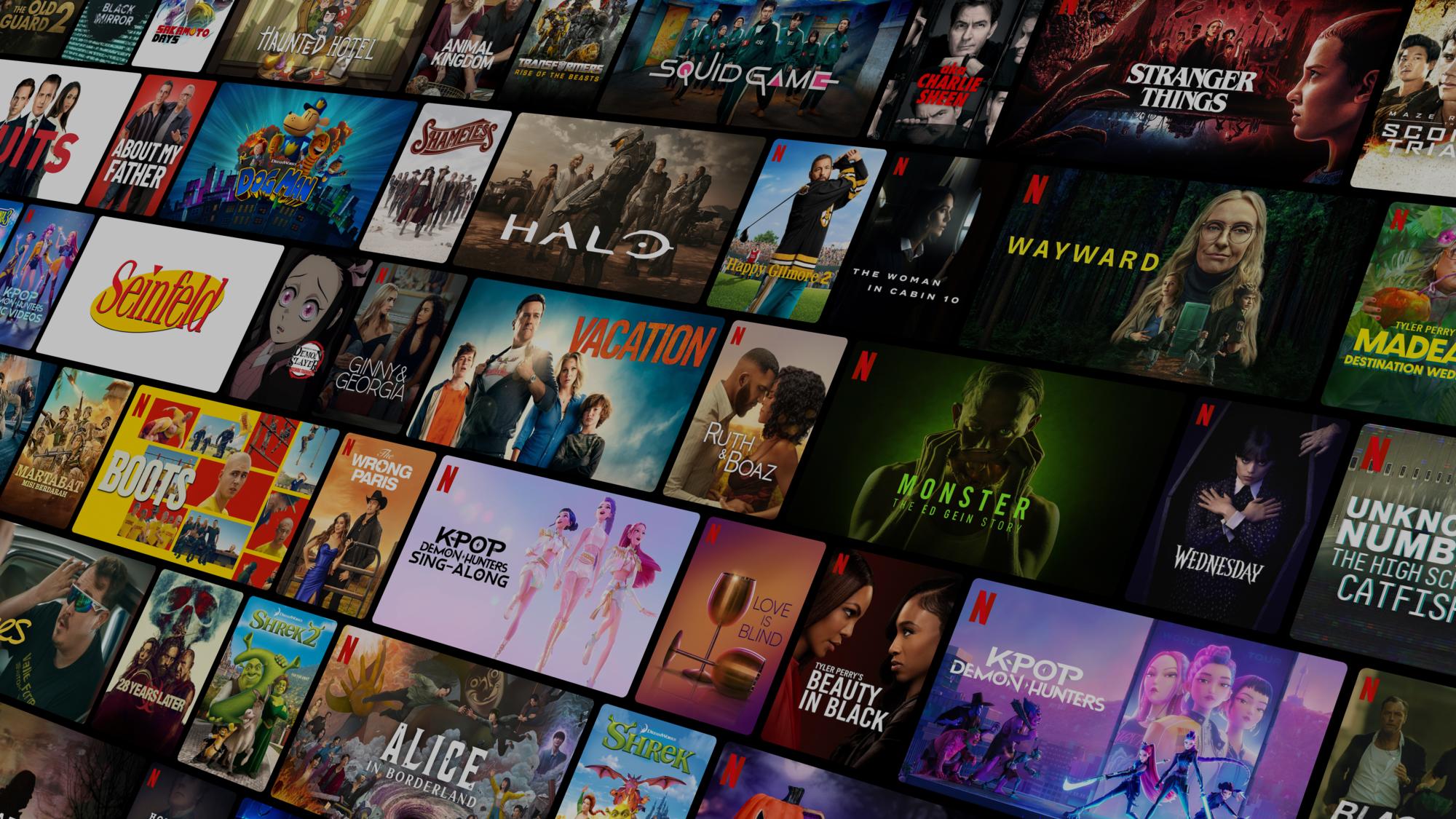
Search for “Nunflix” and you are likely not looking for a new studio, a startup, or a legitimate competitor to Netflix. You are looking for something simpler: free access to movies and television. In that sense, Nunflix is not a company so much as a rumor, a label that circulates across forums, social media, and low-trust websites promising unlimited entertainment without a monthly bill. For users frustrated by subscription fatigue, the name suggests a loophole in the increasingly expensive world of digital media.
In practice, Nunflix refers to a shifting network of unofficial streaming sites that borrow the visual language of mainstream platforms while operating outside licensed distribution systems. These sites appear, vanish, and reappear under new domains, making the brand less a service and more a moving target. Within the first moments of encountering Nunflix, users confront a central question: is this a harmless shortcut, or a risky detour through the darker corners of the web?
The answer matters because the modern streaming economy is built on fragile trust. Studios rely on subscriptions and advertising to finance original content. Viewers rely on platforms to protect their devices, their data, and their legal standing. Nunflix sits uneasily between those interests. It exposes how economic pressure, technological ease, and regulatory gaps combine to produce gray markets that millions quietly explore.
This article examines what Nunflix actually represents, how unauthorized streaming ecosystems function, why they persist, and what safer alternatives reveal about the future of free digital entertainment.
What Nunflix Actually Is
Nunflix is not a registered company, not a licensed distributor, and not a stable platform. It is a name applied to a rotating collection of websites that host or embed copyrighted movies and television series without formal permission. The sites typically mimic the layout of mainstream streaming services, offering search bars, genre filters, and thumbnail grids that create an illusion of legitimacy.
These platforms rarely store content themselves. Instead, they aggregate links from third-party hosting services, embedding video players that pull streams from elsewhere. This architecture allows operators to avoid direct hosting responsibility while still delivering copyrighted material to users. When one domain is blocked or removed, another often replaces it within days.
This pattern is common in unauthorized streaming ecosystems. Domain churn, mirror sites, and rebranding are defensive strategies against takedowns and legal action. The result is an unstable service environment where availability is unpredictable and trust signals are weak.
From a user perspective, Nunflix is less a destination than a chase: a constant search for the current working link.
The Legal Landscape of Unauthorized Streaming
Copyright law in most countries treats the unauthorized distribution of protected content as infringement. While enforcement historically focused on uploaders and distributors, legal frameworks increasingly address end-users who knowingly access illegal streams.
The legal risk varies by jurisdiction. In some European countries, courts have ruled that streaming from clearly illegal sources constitutes copyright infringement. In the United States, civil liability is more commonly directed at operators, but users may still face warnings, ISP notices, or account restrictions.
What complicates enforcement is the transnational nature of these platforms. Hosting servers, domain registrars, and users often reside in different legal systems. This fragmentation slows takedowns and allows sites like Nunflix to persist in legal gray zones.
The absence of a subscription fee does not eliminate legal exposure. Free access does not equal free rights.
Cybersecurity and Privacy Risks
Unauthorized streaming sites present a markedly different risk profile from licensed platforms. Major services invest heavily in secure content delivery networks, vetted advertising partners, and encrypted user sessions. Nunflix-style platforms rarely do.
Common risks include:
- Aggressive pop-up advertising
- Redirect chains leading to phishing pages
- Fake software update prompts
- Tracking scripts harvesting browsing behavior
These threats are not incidental. Advertising is often the primary revenue source for unauthorized sites, and low-quality ad networks tolerate deceptive or malicious creatives that reputable networks reject.
Malware infections linked to streaming sites frequently occur when users click on “play” overlays, fake download buttons, or prompts to install custom media players. Once compromised, devices may leak credentials, display persistent ads, or become part of botnets.
From a cybersecurity standpoint, free streaming often carries hidden costs paid in data and device integrity.
Why Nunflix-Style Platforms Persist
The persistence of Nunflix reflects structural tensions in the streaming market. Over the past decade, content has fragmented across dozens of platforms, each charging a separate monthly fee. What once required a single subscription now requires several.
This fragmentation produces three outcomes:
- Rising household entertainment costs
- Content discovery fatigue
- Increased incentive to seek free alternatives
Technological ease compounds the problem. High-speed internet, cheap hosting, and simple embedding tools make it easy to launch mirror sites quickly. Enforcement struggles to keep pace with replication.
From an economic perspective, Nunflix is not an anomaly. It is a predictable response to market friction.
Comparative Landscape of Streaming Models
| Model | Legal Status | Revenue Source | User Risk Level |
|---|---|---|---|
| Subscription platforms | Fully licensed | Subscriptions | Low |
| Ad-supported licensed platforms | Fully licensed | Advertising | Low |
| Unauthorized aggregators | Unlicensed | Ads, redirects | High |
| Peer-to-peer sharing | Unlicensed | None | High |
Licensed ad-supported services demonstrate that free access does not require legal shortcuts. The difference lies in formal agreements with rights holders and regulated advertising systems.
Expert Perspectives on Digital Piracy
Professor Lawrence Lessig, a leading scholar of digital law, has long argued that piracy flourishes when legal access is misaligned with consumer expectations. In Free Culture, he notes that restrictive distribution models often drive users toward unauthorized channels.
Cybersecurity researcher Bruce Schneier emphasizes that users consistently underestimate indirect digital risk. In his analysis of online behavior, he argues that convenience frequently overrides security judgment.
Media economist Amanda Lotz, in her work on the post-network era, describes how platform fragmentation reshapes viewing habits and encourages informal distribution networks.
Together, these perspectives suggest that Nunflix is not merely a technical problem but a policy and market design problem.
Safer Free Alternatives
Several legitimate platforms now offer free, ad-supported streaming with licensed catalogs:
| Platform | Ownership | Business Model | Typical Content |
|---|---|---|---|
| Tubi | Fox Corporation | Ads | Films, TV catalog |
| Pluto TV | Paramount | Ads | Live channels, VOD |
| Freevee | Amazon | Ads | Originals, licensed shows |
| Kanopy | Libraries | Public funding | Educational, classic cinema |
These services demonstrate that free access can coexist with legality, security, and creator compensation.
Cultural Implications of Shadow Streaming
Nunflix symbolizes a broader cultural tension: the conflict between abundance and affordability. Digital technology enables instant access to vast libraries of content, but economic models restrict that access behind multiple paywalls.
Shadow platforms emerge where that tension is unresolved. They reflect not only opportunism but unmet demand.
Whether the industry responds with more flexible pricing, bundled subscriptions, or expanded free tiers will shape the next phase of streaming culture.
Takeaways
- Nunflix is not a single platform but a shifting network of unauthorized sites.
- Legal risks vary by country but are real and increasing.
- Cybersecurity threats are significantly higher on unlicensed platforms.
- Market fragmentation drives demand for free alternatives.
- Licensed ad-supported services offer safer paths to free viewing.
- The persistence of piracy reflects structural flaws, not just user behavior.
Conclusion
Nunflix exists because the modern streaming ecosystem leaves too many viewers suspended between desire and affordability. It thrives in the gaps between platforms, laws, and enforcement. Yet its appeal masks a fragile foundation built on legal uncertainty and digital risk.
The lesson of Nunflix is not simply that piracy persists. It is that access, price, and trust remain unsolved problems in digital media. As the industry experiments with new business models, the fate of shadow platforms will depend less on enforcement than on whether legitimate services can meet audiences where they are: cost-conscious, security-aware, and hungry for simple access to stories.
The future of streaming will not be decided in courtrooms alone. It will be decided in living rooms, on laptops, and in the quiet choices users make every time they click “play.”
FAQs
Is Nunflix a real company?
No. Nunflix is a label applied to multiple unofficial streaming sites, not a registered or licensed platform.
Is streaming from Nunflix illegal?
In many countries, accessing unlicensed streams violates copyright law, even if no download occurs.
Can Nunflix harm my device?
Yes. Pop-ups, redirects, and fake updates can expose users to malware and phishing.
Why do Nunflix links keep changing?
Domains frequently change to evade takedowns, blocking, and legal pressure.
Are there safe free alternatives?
Yes. Tubi, Pluto TV, Freevee, and Kanopy offer licensed free streaming.