
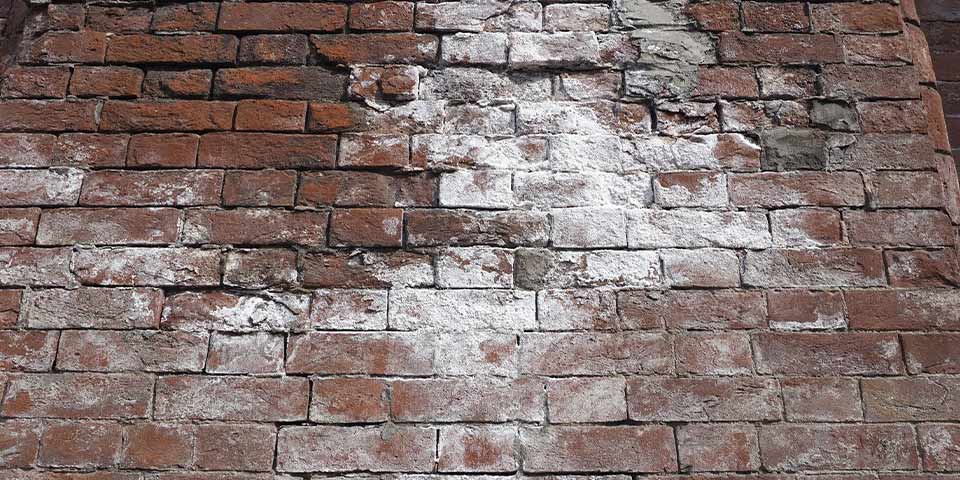
Efflorescence is a phenomenon familiar to homeowners, architects, and conservationists: the appearance of white, powdery salt deposits on masonry, brick, stone, and concrete surfaces. Within the first few weeks of construction or after decades of exposure, these deposits signal water movement through porous materials, carrying dissolved salts from within and leaving them behind as water evaporates. While often dismissed as cosmetic, efflorescence can provide important insights into moisture dynamics and material integrity.
Understanding efflorescence is essential because it intersects with chemistry, materials science, and architecture. It reveals how soluble salts react with water, how building materials respond to environmental stress, and how structures age over time. The migration of salts is influenced by construction materials, local climate, groundwater salinity, and moisture pathways within masonry. Repeated cycles of dissolution and crystallization can weaken mortar, plaster, and stone.
This article examines efflorescence in detail: the chemical processes behind salt migration, the types of efflorescence, the materials it affects, and the potential risks to structural and aesthetic integrity. We explore strategies for prevention, cleaning, and conservation, while highlighting how efflorescence acts as a subtle indicator of both building health and environmental interaction.
Understanding the Science of Efflorescence
Efflorescence is the result of water dissolving soluble salts within porous building materials and transporting them to the surface, where they crystallize as the water evaporates. Three essential factors are required: a source of soluble salts, moisture to dissolve and transport the salts, and a pathway for evaporation. Common salts include sodium chloride, potassium sulfate, and calcium carbonate, which may originate from building materials, soil, or environmental exposure.
The crystallization process may appear superficial, but in confined pores, the expanding salts exert pressure, potentially causing microcracks or spalling in masonry. Moisture entering from rain, groundwater, or rising damp can exacerbate efflorescence, particularly in older buildings or poorly drained areas. Understanding the chemical and physical mechanisms is key to both prevention and remediation.
Types of Efflorescence
Efflorescence can be classified into two primary types:
- Primary Efflorescence: Occurs early in the life of masonry, often during the curing of concrete or mortar. Salts inherent in the materials dissolve with internal moisture and crystallize on the surface. This form is generally superficial and poses minimal structural risk.
- Secondary Efflorescence: Develops when external moisture penetrates masonry, dissolving salts that have accumulated internally over time. This type is more serious, as repeated cycles of salt migration can indicate persistent moisture problems and potential structural damage.
| Type | Occurrence | Cause | Structural Impact |
|---|---|---|---|
| Primary | Early construction/curing | Salts in materials | Usually superficial |
| Secondary | After exposure to moisture | Moisture infiltration dissolving salts | Potential structural damage |
Understanding these distinctions is vital for assessing the urgency of intervention and the potential risks to the structure.
Materials and Surfaces Affected
Efflorescence can affect a wide range of materials including brick, concrete, mortar, plaster, and natural stone. It appears in both new construction and historic masonry, particularly in basements, stairwells, facades, and areas exposed to groundwater or rainfall. Newly laid bricks or concrete may show efflorescence within weeks, while historic masonry may develop deposits after decades.
Environmental factors, including climate, soil salinity, and local water chemistry, influence the severity and recurrence of efflorescence. Freeze-thaw cycles, high humidity, and poor drainage amplify moisture movement, accelerating salt deposition. In heritage structures, efflorescence may cause the loss of inscriptions, surface textures, and ornamental details, presenting a significant conservation challenge.
| Material | Common Efflorescence | Risk Level |
|---|---|---|
| Brick | White powdery deposits | Low to moderate |
| Concrete | Chalky or crystalline surface | Low to high, depends on moisture |
| Stone | Salt crusts on surface | Moderate to high |
| Mortar | White streaks along joints | Moderate |
Structural Implications
While often considered aesthetic, efflorescence can indicate more serious underlying issues. Salt crystallization within pores exerts pressure on masonry, potentially causing cracking, spalling, and surface scaling. In concrete, efflorescence may lead to bond failure in coatings or renders. In historic buildings, recurring efflorescence can erode stone, brick, or mortar over time.
Environmental stressors such as rising groundwater, heavy rainfall, and coastal salinity increase the risk of efflorescence-related damage. Moisture intrusion should be addressed promptly to prevent long-term structural deterioration. Conservators often recommend minimal intervention, using breathable sealers and controlled cleaning methods to protect delicate surfaces.
Prevention and Management Strategies
Effective management of efflorescence requires addressing both moisture ingress and salt sources. Preventative strategies include:
- Ensuring proper site drainage and grading to divert water away from foundations.
- Installing damp-proof courses and flashings to reduce capillary rise.
- Using low-alkali materials and washed bricks to minimize internal salt content.
- Allowing adequate curing time for concrete and mortar and protecting fresh masonry from rain.
- Applying breathable water-repellent coatings that prevent liquid water penetration while allowing vapor to escape.
Cleaning should be approached carefully. Superficial deposits can be removed with a soft brush and water. More persistent efflorescence may require mild acidic treatments, but only after addressing moisture sources, or it will recur. In heritage masonry, minimal intervention is preferred to avoid damaging valuable surfaces.
| Prevention | Method | Notes |
|---|---|---|
| Moisture control | Drainage, damp-proofing | Prevents water infiltration |
| Material selection | Low-alkali cement, washed bricks | Reduces internal salt |
| Surface protection | Breathable sealers | Blocks water, allows vapor |
| Cleaning | Gentle scrubbing or mild acid | Address moisture first |
Environmental and Heritage Considerations
Efflorescence affects more than contemporary buildings. In historic monuments, it can erode stonework, obscure inscriptions, and damage ornamental details. Climate change, sea-level rise, and changing rainfall patterns exacerbate efflorescence in coastal and low-lying regions.
From a conservation perspective, efflorescence is a diagnostic tool, indicating moisture movement and salt accumulation within materials. It informs maintenance, restoration, and preservation strategies, allowing conservators to mitigate long-term damage. Research into salt crystallization patterns also contributes to broader understanding in materials science, soil salinization, and structural engineering.
Takeaways
- Efflorescence is caused by the migration and crystallization of soluble salts in porous materials.
- It appears in brick, concrete, stone, mortar, and plaster in both new and historic structures.
- Primary efflorescence occurs during curing; secondary efflorescence results from moisture infiltration.
- Repeated salt crystallization can damage masonry, causing spalling, scaling, and structural weakening.
- Prevention requires moisture management, quality materials, proper curing, and breathable coatings.
- Cleaning should be coupled with moisture remediation to prevent recurrence.
- Efflorescence is a key indicator of material and environmental interaction, critical for conservation and maintenance.
Conclusion
Efflorescence is more than a white deposit on walls it is a window into the interaction of water, salts, and porous materials. Its presence indicates both the natural behavior of salts in masonry and potential structural vulnerabilities. Addressing efflorescence involves controlling moisture, selecting appropriate materials, and using careful cleaning and conservation techniques.
For modern and historic buildings alike, understanding efflorescence is essential to prolonging structural life, preserving aesthetics, and safeguarding heritage. By recognizing it early and applying preventive measures, property owners, builders, and conservators can ensure that buildings remain resilient against the silent pressures of crystallizing salts.
FAQs
What is efflorescence?
Efflorescence is the formation of white salt deposits on porous surfaces due to water carrying salts to the surface.
Is it harmful to buildings?
It can be. While often cosmetic, repeated salt crystallization may damage masonry, mortar, and plaster.
How can efflorescence be removed?
Surface deposits can be brushed off, and mild acidic treatments may help after moisture issues are resolved.
How can efflorescence be prevented?
Proper drainage, low-alkali materials, curing, damp-proof courses, and breathable sealers help prevent salt migration.
Does it affect historic structures differently?
Yes. Historic masonry is often more porous and salt-saturated, making careful conservation critical.
References
CivilEngineerDK. (2025). Efflorescence — definition, causes, and prevention. CivilEngineerDK. https://civilengineerdk.com/efflorescence/?utm_source=chatgpt.com
Masonry Institute. (2025). Efflorescence: Cause and Control. Masonry Institute. https://www.masonryinstitute.org/pdf/612.pdf?utm_source=chatgpt.com
ScienceDirect Topics. (2025). Efflorescence — porous materials and salt crystallization effects. ScienceDirect. https://www.sciencedirect.com/topics/materials-science/efflorescence?utm_source=chatgpt.com
Groundworks. (2025). What Is Efflorescence? Groundworks Glossary. https://www.groundworks.com/glossary/efflorescence/?utm_source=chatgpt.com
The Constructor. (2018). Efflorescence and its Treatment in Concrete and Brick Masonry. The Constructor. https://theconstructor.org/building/efflorescence-treatment/21847/?utm_source=chatgpt.com
Arxiv.org. (2025). Shahidzadeh-Bonn, N., et al. Damage in porous media due to salt crystallization. https://arxiv.org/abs/1007.2121?utm_source=chatgpt.com
JES Foundation Repair. (2021). Efflorescence on Basement Walls. JES Work. https://www.jeswork.com/resources/basement-waterproofing/what-is-efflorescence/?utm_source=chatgpt.com