
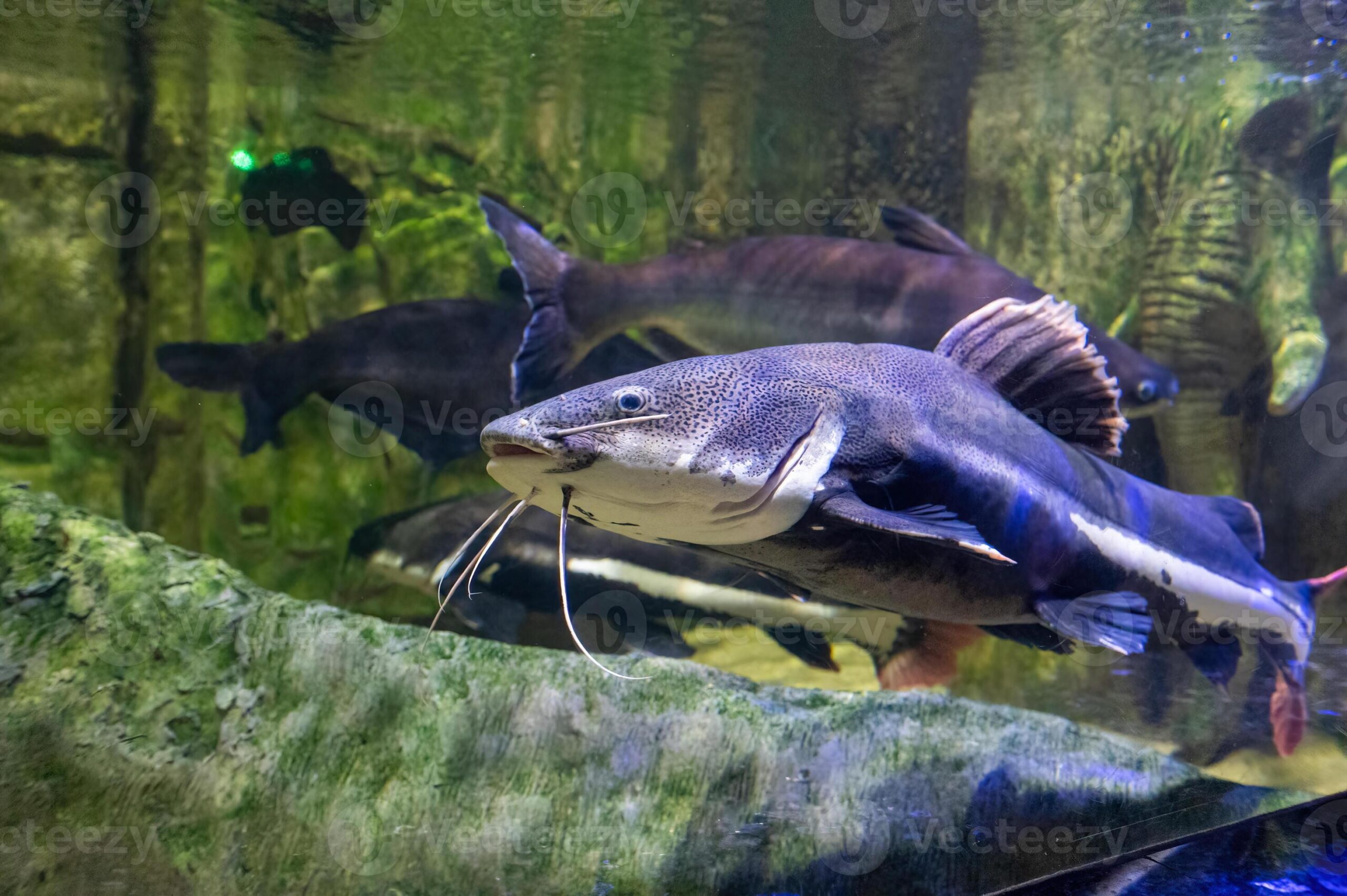
The red tail catfish stands apart even in rivers known for excess. Massive, slow-moving, and unmistakably marked by its deep red tail fin, this fish has long commanded attention in the Amazon Basin. Scientifically identified as Phractocephalus hemioliopterus, it ranks among the largest freshwater catfish in the world and occupies a unique ecological position as a dominant predator. For centuries, it has been a source of food, myth, and respect among riverine communities. Today, it is also a subject of scientific study, sport fishing tourism, and ethical debate.
For readers seeking to understand the red tail catfish, the essential truth emerges quickly: this species cannot be separated from its environment. Its size, lifespan, and behavior are inseparable from the seasonal rhythms of tropical rivers. As floodwaters rise and fall, the fish migrates, feeds, and reproduces in patterns shaped over evolutionary time.
Yet modern pressures now intersect with these ancient cycles. Habitat alteration, global trade, and misunderstanding of the species’ needs particularly in the aquarium world have complicated its future. This article examines the red tail catfish not as an exotic curiosity, but as a living indicator of freshwater health, cultural continuity, and human responsibility.
Taxonomy and Evolutionary Significance
A Singular Representative of Its Genus
The red tail catfish belongs to the family Pimelodidae, a group of long-whiskered catfishes native to South America. What distinguishes Phractocephalus hemioliopterus is its taxonomic isolation: it is the only living species within its genus. This makes it particularly significant from an evolutionary perspective.
Its anatomy reflects specialization for life in deep, turbid waters. A broad, flattened head allows it to rest on river bottoms, while elongated barbels function as sensory organs, detecting movement and vibration where visibility is low. The striking red tail, while visually dramatic, may serve roles in communication or species recognition.
Ichthyological research has long emphasized that large pimelodid catfishes represent some of the most highly adapted freshwater predators in tropical ecosystems, shaped by millions of years of river evolution.
Native Range and Habitat Dynamics
Rivers That Shape a Species
The natural distribution of the red tail catfish spans the Amazon, Orinoco, and Essequibo river basins. These vast systems are defined not only by their size but by their seasonal variability. During dry periods, adult catfish occupy deep river channels. When seasonal rains arrive, floodwaters expand into surrounding forests, creating nutrient-rich environments essential for feeding and reproduction.
| Habitat Zone | Primary Function |
|---|---|
| Main river channels | Adult feeding grounds |
| Flooded forests | Spawning and juvenile growth |
| Riverbanks and deep pools | Resting and ambush hunting |
| Seasonal floodplains | Nutrient cycling |
This dependence on floodplain connectivity makes the species especially vulnerable to disruptions such as dams and deforestation.
Feeding Behavior and Ecological Role
Predator, Scavenger, Regulator
The red tail catfish is an opportunistic carnivore whose diet evolves with age. Juveniles consume insects and small invertebrates, while adults prey on fish, crustaceans, and occasionally carrion. Its feeding behavior contributes to population control among prey species, reinforcing balance within river food webs.
| Life Stage | Dominant Diet |
|---|---|
| Juvenile | Aquatic insects, crustaceans |
| Subadult | Small fish and mollusks |
| Adult | Large fish, carrion |
Freshwater ecologists often describe large catfish as “structural species” because their feeding patterns influence nutrient distribution and species composition across entire river systems.
Cultural Meaning and Human Interaction
From Sustenance to Symbol
For Indigenous and river-dependent communities, the red tail catfish has long been both sustenance and symbol. It features in oral traditions as a creature of strength and depth, associated with the hidden power of large rivers. Fishing practices were historically regulated by seasonal knowledge, ensuring sustainability.
In recent decades, the species has also become central to sport fishing tourism. Anglers travel from around the world to catch and release these fish, contributing to local economies while raising questions about stress and long-term impacts on wild populations.
The Aquarium Trade and Ethical Concerns
When Scale Is Misunderstood
One of the most controversial aspects of the red tail catfish’s modern presence lies in the global aquarium trade. Juveniles are visually appealing and relatively small, making them attractive to hobbyists. However, their rapid growth and eventual size make them unsuitable for most private aquariums.
Inadequate housing leads to chronic stress, deformities, and shortened lifespans. In some cases, abandoned specimens are released into non-native waters, creating ecological risks far beyond the Amazon.
Aquatic animal health specialists consistently warn that large river catfish require environments that most domestic settings cannot provide.
Conservation Status and Emerging Threats
Stable, but Increasingly Pressured
The red tail catfish is not currently classified as endangered. Nevertheless, localized population declines have been observed where overfishing, habitat fragmentation, and river modification occur simultaneously.
| Threat Factor | Ecological Consequence |
|---|---|
| Hydroelectric dams | Blocked migration routes |
| Deforestation | Loss of breeding habitat |
| Overharvesting | Reduced adult populations |
| Aquarium trade | Ethical and invasive risks |
Because the species is long-lived and slow to mature, recovery from population loss can take decades.
Scientific Importance and Ongoing Research
A Living Indicator Species
Researchers continue to study red tail catfish to understand freshwater ecosystem health. Age analysis suggests individuals may live for several decades, making them valuable indicators of long-term environmental change.
Studies emphasize that large-bodied Amazonian fishes require management strategies that account for lifespan, migration, and reproductive timing rather than short-term extraction models.
Key Takeaways
- The red tail catfish is among the largest freshwater predators globally
- Its life cycle depends on seasonal flooding and river connectivity
- It plays a stabilizing role in Amazonian ecosystems
- Aquarium trade demand creates ethical challenges
- Habitat alteration poses long-term risks
- Conservation requires regional, long-term planning
Conclusion: Respecting the Scale of Nature
The red tail catfish is a reminder that size carries responsibility. Its survival depends not only on biological resilience but on human choices made far beyond the riverbanks it inhabits. As rivers are reshaped and wildlife becomes increasingly commodified, understanding the true nature of such species becomes essential.
This fish is not merely impressive; it is instructive. It teaches that ecosystems function through balance, patience, and respect for scale. Preserving the red tail catfish ultimately means preserving the rivers themselves—and the wisdom to let giants remain where they belong.
Frequently Asked Questions
How large can red tail catfish grow?
They can exceed six feet in length and weigh more than 80 kilograms in natural habitats.
Are red tail catfish aggressive?
They are not aggressive toward humans but can cause injury if mishandled.
Can they live in home aquariums?
They are unsuitable for most home aquariums due to extreme space requirements.
Where are they naturally found?
They inhabit major river systems in the Amazon and Orinoco basins.
Are they endangered?
They are not endangered but face increasing environmental pressures.
References
Ferraris, C. J. (2007). Checklist of catfishes, recent and fossil. Zootaxa, 1418, 1–628.
Goulding, M., Barthem, R., & Ferreira, E. (2003). The Smithsonian atlas of the Amazon. Smithsonian Institution Press.
Menezes, N. A. (2010). Conservation of Brazilian freshwater fishes. Biota Neotropica, 10(2), 1–10.
Sanders, J. (2016). Welfare considerations for large aquarium fish species. Journal of Aquatic Animal Health, 28(4), 215–223.
Winemiller, K. O. (2004). Floodplain river food webs. River Research and Applications, 20(2), 187–199.