
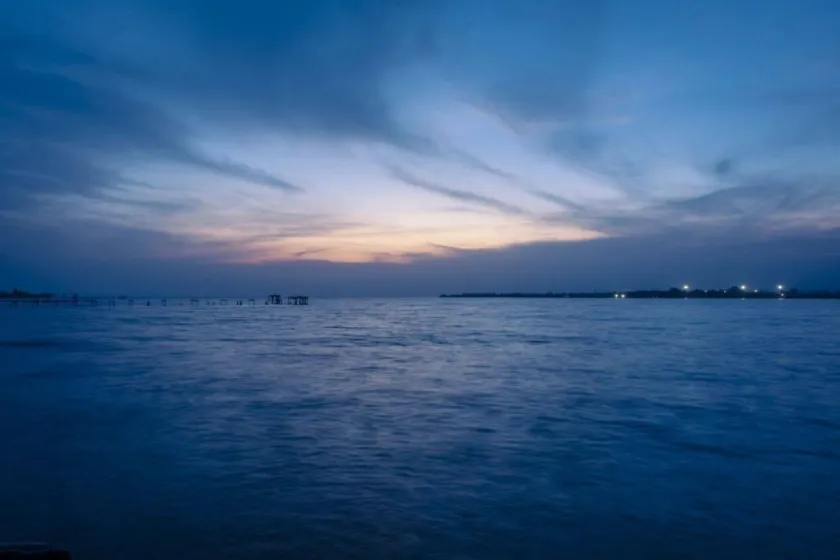
Lake Nalubaale, better known internationally as Lake Victoria, is the lifeblood of East Africa, spanning the borders of Uganda, Kenya, and Tanzania. For many, the immediate question is simple: What makes Nalubaale unique, and why does its name hold cultural weight? Beyond its geographic significance, the lake embodies centuries of human interaction, ecological diversity, and modern development. Its waters provide sustenance, transportation, and energy while shaping the identity and livelihoods of the millions living along its shores.
Covering more than 69,000 square kilometers, Nalubaale is Africa’s largest lake by area and the world’s largest tropical freshwater lake. Its vast expanse supports dense communities, thriving fisheries, and extensive agricultural systems. While the name “Victoria” dominates global maps, “Nalubaale” reflects the indigenous spiritual and cultural connections that predate colonial exploration. The lake is thus both a natural resource and a vessel of history, linking past and present, people and environment.
From the arrival of European explorers to contemporary ecological and social challenges, Nalubaale has been central to the region’s story. This article traces the lake’s historical origins, environmental significance, and role in modern society while highlighting the cultural and political debates surrounding its identity and management.
Origins and Indigenous Names
Before European contact, communities around the lake had diverse names reflecting local languages and spiritual beliefs. In Uganda, the lake was called “Nalubaale,” a term that honors the spirits believed to guard the waters. The Baganda people viewed the lake as sacred, central to fertility, life, and ritual practices.
Other communities had their own designations. In Kenya and Tanzania, the lake was known by names such as “Nyanza” and “Nam Lolwe,” which in the Luo language translates to “endless lake,” emphasizing the lake’s expansive size and importance. These names illustrate the deep cultural integration of the lake into daily life, rituals, and local cosmologies long before European mapping.
In 1858, the British explorer John Hanning Speke renamed it “Lake Victoria,” after the reigning monarch. This act reflected colonial practices of asserting authority through naming and imposed a European identity over indigenous traditions. While colonial maps standardized “Victoria,” local communities continued to use “Nalubaale,” preserving the spiritual and cultural significance of the lake in oral histories and local practice.
Geography and Hydrology
Lake Nalubaale is immense both in scale and hydrological significance. It measures approximately 337 kilometers in length and 240 kilometers in width, with a maximum depth near 82 meters. Its surface area of about 69,484 square kilometers makes it the largest lake in Africa by area. Its waters feed into the White Nile via the Jinja outlet in Uganda, linking Nalubaale to one of the world’s longest river systems.
The lake’s vast catchment supports diverse ecosystems and numerous wetlands, which act as critical buffers against flooding and provide breeding grounds for fish and bird species. Its hydrological system is highly dynamic, with water levels influenced by rainfall, evaporation, and seasonal river flow. These patterns have long shaped agriculture, settlement, and fishing practices along the shores, forming the basis of the lake’s socioeconomic importance.
Economic Significance
The lake has long been central to livelihoods in East Africa. Fishing dominates the economic landscape, providing protein, employment, and trade opportunities for millions. Historically, communities practiced sustainable fishing aligned with cultural norms, such as returning some catch to the waters, reflecting the spiritual guardianship of Nalubaale.
In modern times, commercial fisheries have grown substantially, with species such as Nile perch introduced to increase yield. While this boosted economic output, it caused significant ecological disruption, including the decline of native cichlid populations. Nonetheless, fishing remains vital, and markets along the lake continue to sustain dense populations dependent on its resources.
Agriculture and transport also rely on the lake. Fertile floodplains support crops, while boats connect towns and villages, facilitating trade. The lake’s resources underpin both local sustenance and regional economies, demonstrating its multifaceted role in East African society.
Hydroelectric Development and Infrastructure
One of Nalubaale’s most transformative developments is the construction of the Nalubaale Dam, originally called the Owen Falls Dam, completed in 1954. The dam regulates water flow for hydroelectric power generation, initially producing 150 MW and later upgraded to 180 MW. It provides electricity to Uganda and surrounding regions, fueling urbanization, industry, and domestic energy consumption.
While the dam enhanced development, it also altered natural water flow and seasonal patterns, affecting fisheries and wetlands downstream. Water management requires careful balancing of electricity production, ecological preservation, and flood prevention. The dam exemplifies the challenges of harnessing natural resources for human benefit while maintaining environmental stability.
Ecological Challenges
Nalubaale faces several ecological pressures. Overfishing, invasive species, and pollution threaten biodiversity. The introduction of Nile perch in the mid-20th century caused declines in native fish populations and disrupted the lake’s food web. Agricultural runoff and urban waste further degrade water quality, increasing the prevalence of waterborne diseases and affecting fisheries.
Climate variability exacerbates these issues. Droughts, fluctuating rainfall, and changing seasonal cycles impact water levels and fish breeding. Wetlands around the lake are shrinking, further stressing the ecosystem. Conservation initiatives emphasize habitat restoration, pollution control, and transboundary cooperation to protect the lake’s ecological integrity.
Social and Cultural Dimensions
Nalubaale is not only an economic resource but also a cultural anchor. Local rituals, festivals, and daily practices reflect a deep spiritual connection to the lake. Communities view it as sacred, embodying ancestral spirits and natural cycles. Its cultural significance extends to language, music, and folklore, highlighting the intertwined nature of environment and identity.
At the same time, the lake presents social risks. Overloaded boats, storms, and fluctuating water levels pose safety hazards, particularly for fishing communities. The social vulnerability of lakeside populations underscores the importance of integrated management that considers human well-being alongside ecological preservation.
Comparative Analysis
| Feature | Nalubaale (Lake Victoria) | Typical Rift Valley Lakes |
|---|---|---|
| Size | 69,484 km² | Often smaller, deeper basins |
| Biodiversity | Originally rich, now stressed | Varied, often fragile ecosystems |
| Human Dependence | High, regional economic hub | Often local, smaller-scale use |
| Water Flow Control | Dams and regulated outflows | Mostly natural, limited regulation |
| Cultural Significance | Multiethnic, spiritual | Localized traditions |
| Aspect | Historical Context | Modern Implications |
|---|---|---|
| Name | Indigenous (Nalubaale) vs Colonial (Victoria) | Cultural reclamation debates |
| Fisheries | Traditional sustainable practices | Commercialization, invasive species |
| Hydropower | 1954 Nalubaale Dam construction | Electricity generation, ecological trade-offs |
| Conservation | Limited historical concern | Climate change, pollution, transboundary management |
Expert Perspectives
Dr. Sarah Nyangoma, environmental scientist: “Lake Nalubaale represents both opportunity and fragility. Its waters support millions, but human pressures threaten ecological balance.”
Professor James Okello, historian: “The lake’s multiple names reflect competing legacies a colonial imprint over deep indigenous traditions.”
Eng. Moses Kiggundu, hydroelectric specialist: “Managing Nalubaale requires balancing electricity generation, ecological preservation, and local livelihoods.”
Takeaways
- Nalubaale carries both indigenous and colonial legacies through its dual names.
- The lake is vital for regional livelihoods, fisheries, and transportation.
- Hydroelectric development supports energy needs but alters natural patterns.
- Ecological stress from invasive species, pollution, and climate change is ongoing.
- Cultural and spiritual ties highlight the lake’s social significance.
- Integrated transboundary management is essential for sustainability.
Conclusion
Lake Nalubaale is a living repository of East African history, culture, and ecological complexity. From its spiritual origins to modern hydropower and fisheries, the lake sustains millions while facing growing environmental challenges. Balancing human development with ecological preservation and cultural recognition is crucial. Whether called Victoria or Nalubaale, the lake’s identity is inseparable from the people and ecosystems it supports, reminding us that nature, culture, and history flow together in the waters of East Africa.
FAQs
What is Lake Nalubaale?
It is the indigenous name for Lake Victoria, Africa’s largest tropical lake, spanning Uganda, Kenya, and Tanzania.
Why does the lake have two names?
Local communities called it Nalubaale, while colonial explorers named it Victoria, creating overlapping identities.
What is the significance of the Nalubaale Dam?
The dam provides hydroelectric power and regulates water flow, impacting energy, ecosystems, and local communities.
What ecological challenges does the lake face?
Invasive species, overfishing, pollution, and climate variability threaten biodiversity and water quality.
Why reclaim the name Nalubaale?
It honors indigenous heritage, spiritual traditions, and cultural identity, contrasting with colonial naming legacies.
References
- Britannica, T. Editors of Encyclopaedia. (n.d.). Lake Victoria. Encyclopaedia Britannica.
- UNESCO‑Uganda. (2020). Lake Victoria Basin Ecosystem report.
- Uganda Electricity Generation Company Limited. (n.d.). Nalubaale Power Station.
- Mediatum.ub.tum.de. (n.d.). Lake Victoria fisheries and ecosystem.
- Ielevateafrica.com. (n.d.). Environmental impacts on Lake Victoria fisheries.