
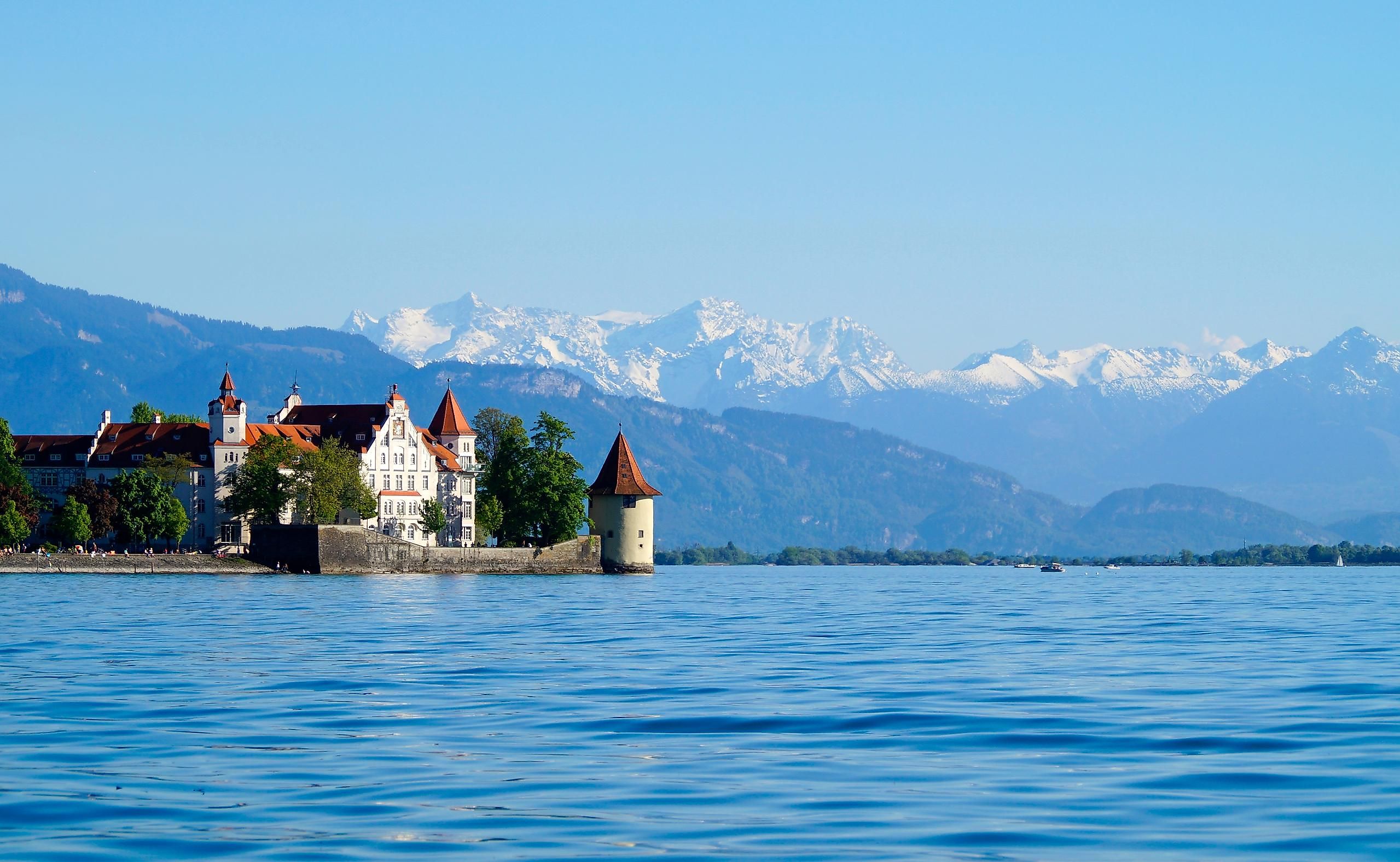
Lake Constance, also known as Bodensee, lies at the tri-border area of Germany, Switzerland, and Austria. Covering more than 500 square kilometers, the lake has long served as a hub for human settlement, trade, and culture. In the first hundred words, it is clear that the lake functions as both a natural and cultural landmark, supporting biodiversity, recreational activities, and local economies, while preserving centuries of human history.
The lake’s waters reflect the surrounding Alps, offering dramatic vistas that have inspired generations of artists and travelers. Its shores are dotted with medieval towns, monasteries, and vineyards, showcasing a blend of natural and human history. Seasonal tourism, recreational boating, and cycling attract visitors worldwide, making the lake a key economic driver for the region. At the same time, the lake faces challenges, including invasive species, water management issues, and the effects of climate change, which require careful, cross-border cooperation to maintain its ecological balance and cultural heritage.
Geography and Formation
Lake Constance occupies a glacial basin formed during the last ice age approximately 15,000 years ago. Meltwater from the Rhine glacier carved deep valleys, creating the lake we see today. The lake is divided into two main sections by the Bodanrück peninsula: the Upper Lake (Obersee) and Lower Lake (Untersee), each with unique hydrological and ecological characteristics.
| Feature | Detail |
|---|---|
| Surface area | ~536 km² |
| Maximum length | ~63 km |
| Maximum width | ~14 km |
| Elevation | ~395 m above sea level |
| Maximum depth | 252–254 m |
| Shoreline | ~273 km |
The Alpine Rhine is the primary inflow, while outflow occurs at the Rhine’s continuation toward Switzerland and Germany. Seasonal water fluctuations are influenced by Alpine snowmelt and precipitation, which help maintain water clarity and nutrient balance.
Historical Significance
Archaeological evidence suggests human presence around Lake Constance dates back to the Neolithic era, with early settlements on islands like Werd. Roman influence introduced trade routes and infrastructure, integrating the lake into broader European commerce. By the medieval period, monasteries such as Reichenau Abbey established the region as a center of culture, religion, and agriculture.
Lakeside towns, including Konstanz, Lindau, Friedrichshafen, and Bregenz, evolved into trade and transport hubs. Vineyards, orchards, and harbor towns shaped the economy and culture, creating enduring traditions still visible in architecture and local festivals. This layered history is reflected in medieval structures, baroque buildings, and cobbled streets, offering a tangible link to the past.
Ecology and Biodiversity
Lake Constance supports a rich ecosystem, including 26 native fish species and numerous migratory birds. Wetlands along its shores serve as breeding and resting habitats, essential for biodiversity. Historically, the lake’s waters were oligotrophic, but agricultural runoff and urbanization increased nutrient levels, necessitating mitigation through wastewater treatment and habitat protection.
| Ecological Feature | Details |
|---|---|
| Fish species | 26 native species |
| Migratory birds | ~200,000–250,000 annually |
| Wetlands | Provide critical habitat for breeding and feeding |
| Threats | Invasive species such as quagga mussels and sticklebacks |
| Conservation measures | Wastewater treatment, shoreline protection, habitat restoration |
Invasive species, particularly quagga mussels, have altered food webs, reducing plankton availability for native fish. The three-spined stickleback competes with native species, leading to changes in population dynamics and affecting local fishing communities.
Tourism and Recreation
Tourism around Lake Constance is a major economic driver. Visitors enjoy cycling along the Bodensee-Radweg, which spans the lake’s circumference and connects towns, vineyards, and beaches. Boating, sailing, and swimming are popular summer activities, while cultural festivals and historic town tours attract year-round visitors.
| Activity | Description |
|---|---|
| Cycling | Bodensee-Radweg, 261 km, scenic route connecting towns |
| Boating & Sailing | Summer recreation with safety regulations |
| Cultural events | Festivals, art exhibitions, and lakeside performances |
| Economic impact | Supports ~15,000 jobs in tourism and hospitality |
| Heritage tourism | Medieval architecture, baroque buildings, vineyards |
The lake’s mild climate and fertile surrounding lands support agriculture, particularly fruit orchards and vineyards, contributing to a unique culinary and cultural experience for tourists.
Environmental Challenges
Lake Constance faces ecological pressures from invasive species, nutrient changes, and human activity. Quagga mussels filter out phytoplankton, disrupting native species, while sticklebacks compete with traditional fish populations. Historical eutrophication, caused by agriculture and untreated sewage, has been largely mitigated by modern wastewater treatment, improving water quality.
Urbanization, recreational infrastructure, and tourism place additional pressure on wetlands and sensitive habitats. Climate variability poses risks to water inflows, temperature regulation, and ecosystem stability, necessitating adaptive management and cross-border coordination to preserve both ecology and cultural heritage.
Governance and Conservation
Cross-border cooperation between Germany, Switzerland, and Austria is key to Lake Constance’s management. Wastewater treatment, habitat restoration, and invasive species monitoring are central strategies. Conservation designations, including protected wetlands and Natura 2000 areas, safeguard critical habitats for birds and aquatic species.
This collaborative approach demonstrates effective regional governance, showing how shared responsibility, environmental monitoring, and adaptive management can preserve natural and cultural resources while supporting economic activity.
Traditional Fishing and Community Change
Fishing has historically been an economic and cultural mainstay for Lake Constance communities. Declines in native fish populations due to invasive species and ecological shifts have reduced professional fishing activity. Many fishers have adapted by diversifying into tourism-related activities, direct sales, or alternative fisheries.
The decline of traditional fishing represents both economic and cultural loss, as centuries-old practices that shaped local communities gradually diminish. Lake Constance is shifting from a working landscape to one increasingly defined by leisure and tourism.
Sustainable Tourism and Future Outlook
Sustainable tourism initiatives aim to balance recreation with ecological protection. Cycling, hiking, low-impact boating, and public transport minimize environmental strain, while planning ensures wetlands and sensitive habitats remain protected.
Climate change presents emerging challenges, including altered inflows, higher temperatures, and increased ecological stress. Coordinated conservation efforts and adaptive management are critical to maintaining the lake’s health, ensuring that human activity and ecological integrity coexist harmoniously.
Takeaways
- Lake Constance spans Germany, Switzerland, and Austria with diverse ecosystems and landscapes.
- The lake’s history extends from Neolithic settlements to medieval monasteries and modern tourism.
- Rich biodiversity is threatened by invasive species and environmental pressures.
- Tourism and recreation are major economic drivers, alongside agriculture and viticulture.
- Traditional fishing has declined due to ecological changes and invasive species.
- Cross-border governance and conservation efforts are essential for ecological sustainability.
- Balancing human activity with environmental stewardship is key to the lake’s future.
Conclusion
Lake Constance is a remarkable convergence of nature, history, and human activity. Its clear waters, alpine surroundings, and rich biodiversity make it both a treasured ecosystem and cultural landmark. While ecological pressures and tourism pose challenges, cooperative cross-border management and sustainable practices demonstrate that human use and environmental preservation can coexist. The lake continues to support vibrant communities, attract global visitors, and sustain a legacy of culture and nature that requires careful stewardship for generations to come.
FAQs
Which countries border Lake Constance?
Germany, Switzerland, and Austria.
How deep is the lake?
The maximum depth reaches approximately 252–254 meters.
Is swimming safe?
Yes, water quality is high due to extensive treatment and monitoring.
Why has fishing declined?
Invasive species and ecological changes have reduced native fish populations.
What activities are popular for tourists?
Cycling, sailing, swimming, cultural tours, and exploring vineyards and historic towns.
References
Britannica Editors. (n.d.). Lake Constance. Encyclopaedia Britannica. https://www.britannica.com/place/Lake-Constance
International Lake Environment Committee. (2006). Lake Constance Limnology Report. ILEC. https://www.ilec.or.jp/wp-content/uploads/pub/10_Lake_Constance_27February2006.pdf
Living Lakes Network. (n.d.). Lake Constance. LivingLakes. https://livinglakes.org/lake-constance/
Spaak, P., Alexander, J., et al. (2024). Within a decade, two invasive species alter key ecosystem functions in Lake Constance. ASLO. https://aslo.secure-platform.com/2024/gallery/rounds/16/details/11665
Frontiers in Ecology and Evolution. (2020). Threespine Stickleback in Lake Constance: The Ecology and Genomic Substrate of a Recent Invasion. https://www.frontiersin.org/articles/10.3389/fevo.2020.611672/full