
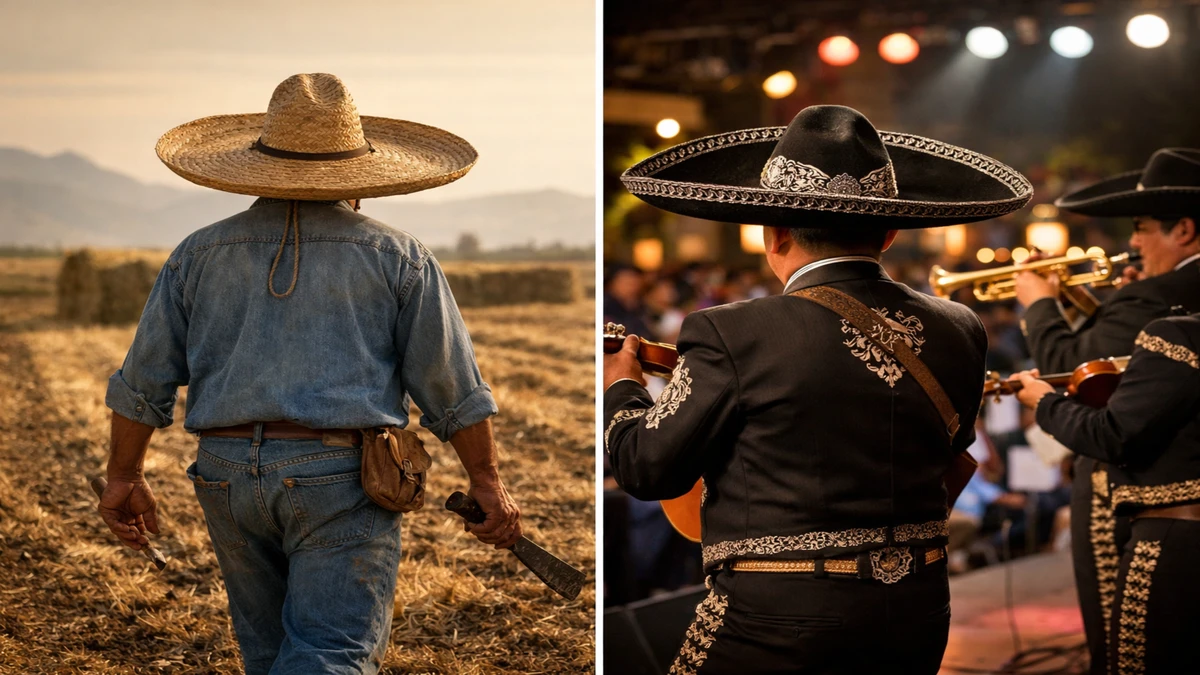
The sombrero is a broad-brimmed, high-crowned hat traditionally associated with Mexico and parts of Latin America, originally designed to provide shade from intense sun. Over centuries it has transformed from practical headwear for farmers, riders, and laborers into one of the world’s most recognizable cultural symbols. When people search for “sombrero,” they are often looking for more than a definition. They want to understand what it is, where it comes from, and why it carries such symbolic weight.
At its simplest level, the sombrero exists because people needed protection from heat. Long days in open fields or on horseback required a hat that shaded the face, neck, and shoulders. The wide brim offered this protection, while the high crown allowed heat to escape and air to circulate. This practical design gradually took on social and aesthetic meaning as communities shaped the hat to reflect their values, status, and traditions.
As the sombrero moved from everyday work into festivals, ceremonies, and performances, it became a marker of identity. It came to represent rural life, craftsmanship, national pride, and artistic expression. At the same time, its image spread globally, sometimes respectfully, sometimes superficially, creating tensions between cultural appreciation and simplification. Understanding the sombrero therefore requires looking at function, history, craft, and symbolism together, not as separate stories but as a single evolving narrative.
Origins and Etymology
The word “sombrero” comes from the Spanish word sombra, meaning “shade.” This linguistic root highlights the hat’s original purpose: shielding the wearer from the sun. Broad-brimmed hats existed in many cultures long before the sombrero became distinct, but the specific form we recognize today emerged through a combination of European and local influences.
In Spain, wide-brimmed hats were worn by rural workers and horsemen, particularly in southern regions with strong sunlight. During the colonial period, these styles were brought to the Americas, where they encountered new climates, materials, and social structures. In Mexico, these hats evolved in response to harsher sun, longer hours outdoors, and the needs of people who worked on horseback or in open fields.
Over time, the Mexican version developed its own identity. The brim became wider, the crown taller, and the hat more robust. What began as adaptation turned into tradition. The sombrero became associated not just with work, but with a way of life that valued horsemanship, agriculture, and community rituals. Eventually, the word “sombrero” in many languages came to mean specifically this Mexican-style hat, even though in Spanish it can refer more broadly to wide-brimmed headwear.
Design and Functional Evolution
The sombrero’s form follows function. The wide brim protects against sun exposure, reducing the risk of heat exhaustion and sunburn. The high crown allows heat to rise and escape, keeping the head cooler. The hat’s size also creates a personal zone of shade, which is particularly valuable in environments with little natural cover.
Materials played a crucial role in its evolution. Early sombreros were made from straw, palm leaves, or other plant fibers, making them lightweight and breathable. As hatmaking became more specialized, felt, wool, and animal fur were introduced, especially for hats intended for colder climates or ceremonial use. These materials allowed for more durable and ornate designs.
Structural details such as chin straps helped secure the hat during riding or strong winds. Decorative elements like embroidery, ribbon, and metallic thread transformed the sombrero into an object of beauty and status. A plain straw sombrero might signal everyday labor, while an elaborately decorated felt sombrero could indicate celebration, performance, or social rank.
Regional Variants and Styles
Sombreros are not a single uniform object but a family of related forms shaped by regional identity.
| Style | Region | Characteristics |
|---|---|---|
| Charro sombrero | Central and northern Mexico | Very wide brim, tall crown, often richly decorated |
| Cordobés-style sombrero | Southern Spain | Flatter crown, stiff brim, formal appearance |
| Sombrero vueltiao | Colombia | Woven from cane fibers, patterned, flexible |
| Catite-style sombrero | Andalusia | Tall conical crown, narrow but firm brim |
Each variant reflects local materials, climate, and social customs. The Colombian sombrero vueltiao, for example, is woven from plant fibers in intricate patterns that convey regional identity. Spanish forms emphasize elegance and tradition linked to equestrian culture. Mexican charro sombreros are among the most elaborate, reflecting the ceremonial role they play in rodeos, music, and national celebrations.
Craftsmanship and Artisanal Traditions
Sombrero making is a skilled craft that combines technical knowledge with artistic sensibility. Artisans begin by selecting materials suited to the intended use of the hat. Straw hats require careful drying, weaving, and shaping to maintain flexibility and strength. Felt hats involve compressing fibers into dense sheets that can be molded into precise forms.
The shaping process requires heat, moisture, and pressure, applied with experience rather than machines alone. Once the basic form is created, artisans add finishing details: trimming the brim, reinforcing the edges, sewing in inner bands, and attaching decorative elements. In some traditions, a single sombrero can take days or even weeks to complete.
This craft is often passed down through families and communities, making hatmaking not just a profession but a form of cultural inheritance. Through this transmission of knowledge, the sombrero becomes a vessel of memory as well as a physical object.
Cultural Symbolism and Identity
The sombrero gained symbolic power as it moved into cultural rituals. Among charros, skilled horsemen who perform in traditional rodeo-like events, the sombrero is part of a ceremonial costume that expresses pride, discipline, and connection to heritage. In mariachi music, musicians wear ornate sombreros that enhance the visual impact of performance and link music to national identity.
In traditional dances, the sombrero is often used as a prop to express emotion and narrative, such as courtship or respect. During festivals and national holidays, wearing a sombrero can be an act of cultural affirmation, signaling belonging and continuity.
Experts often describe the sombrero as a “portable symbol,” one that travels easily between everyday life and ceremony. It can be worn casually or reverently, practically or symbolically, depending on context. This flexibility contributes to its endurance.
The Sombrero in Global Culture
As the image of the sombrero spread through film, tourism, and fashion, it became globally recognizable. In some cases, it inspired new forms, such as the cowboy hat in the United States, which adapted the wide-brim concept to different cultural contexts.
However, global popularity also brought simplification and stereotyping. The sombrero is sometimes reduced to a novelty item, stripped of its history and meaning. This tension highlights the importance of cultural literacy: understanding not only what an object looks like, but what it represents and where it comes from.
Takeaways
• The sombrero originated as practical sun protection.
• Its form evolved through Spanish and Mexican cultural exchange.
• Regional styles reflect diverse identities and environments.
• Artisanal craftsmanship remains central to its production.
• The sombrero is both a functional object and a cultural symbol.
• Global popularity has expanded its reach but also risks oversimplification.
Conclusion
The sombrero’s story is one of transformation. What began as a solution to heat and exposure became a marker of identity, artistry, and belonging. Its wide brim shelters not only the wearer but a history of labor, celebration, and cultural continuity.
In a world where many objects are disposable and anonymous, the sombrero stands out as something meaningful. It reminds us that everyday items can become carriers of memory and values. To understand the sombrero is to see how culture grows from necessity, how tradition is shaped by environment, and how symbols endure because they continue to speak to human experience.
FAQs
What is a sombrero?
A sombrero is a wide-brimmed, high-crowned hat traditionally used for sun protection and cultural expression.
Why is it associated with Mexico?
Because its most recognizable form developed there and became central to Mexican cultural traditions.
Are all sombreros the same?
No, they vary by region, material, and purpose.
Is the sombrero still used today?
Yes, in daily life, ceremonies, performances, and fashion.
Is wearing a sombrero cultural appropriation?
It depends on context, intention, and respect for its cultural meaning.