
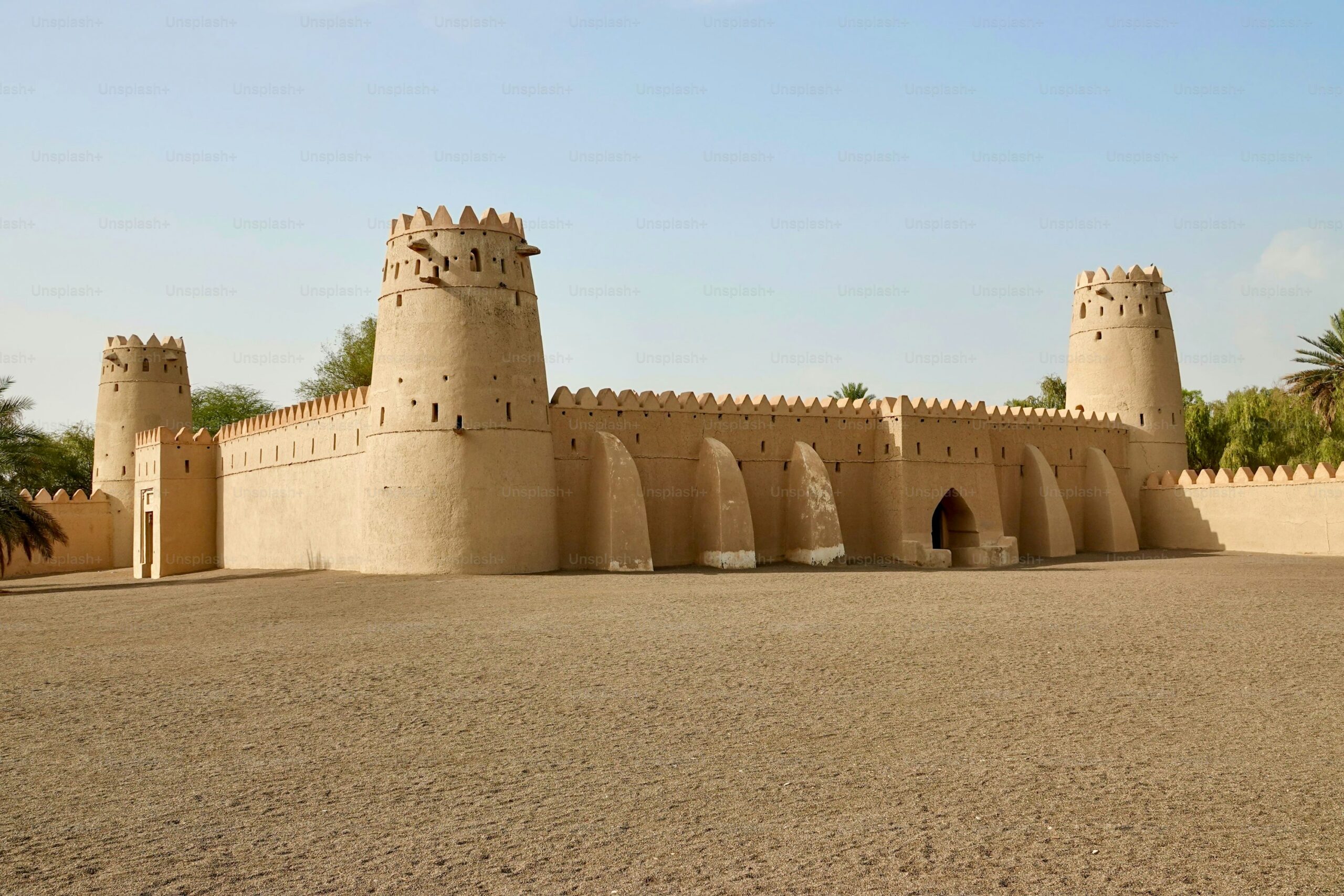
Oman, formally known as the Sultanate of Oman, occupies a distinctive place in Arabia. It is neither loud in its ambitions nor isolated in its outlook. Instead, Oman presents itself as a country shaped by geography, guided by history, and governed through continuity. For readers seeking to understand Arabia beyond oil wealth and geopolitical drama, Oman offers a quieter but deeply instructive narrative one rooted in trade, tolerance, and long-term planning.
Located at the southeastern edge of the Arabian Peninsula, Oman commands coastlines along both the Arabian Sea and the Gulf of Oman. This position has shaped its identity for more than two millennia, connecting it to East Africa, India, and the wider Indian Ocean world. Unlike many of its neighbors, Oman developed as a maritime society as much as a desert one, with sailors, merchants, and shipbuilders playing roles equal to tribes and caravans.
In the modern era, Oman is an absolute monarchy led by Sultan Haitham bin Tariq, who assumed power in 2020 following the death of Sultan Qaboos bin Said. The transition marked the end of a half-century of rule that transformed Oman from an isolated state into a stable, globally engaged country. Today, Oman faces new pressures: economic diversification, climate vulnerability, and demographic change. Yet its response remains characteristically measured.
This article explores Oman as Arabia lived rather than imagined through its geography, history, culture, economy, and evolving national priorities offering a grounded portrait of a country navigating the future without severing ties to its past.
Geography and the Meaning of Place
Oman’s geography is not merely scenic; it is foundational to the country’s political behavior, economic choices, and cultural rhythms. Stretching across deserts, mountains, and coastlines, the Sultanate encompasses some of the most varied terrain in Arabia. The Al Hajar Mountains rise sharply in the north, forming natural barriers and water catchments that have sustained settlements for centuries. In contrast, the interior deserts reflect older nomadic patterns that still echo in social customs and land use.
The country’s long coastline extending along major shipping routes has been decisive. Omani ports historically linked Arabia to East Africa and South Asia, enabling cultural exchange and economic resilience long before the discovery of oil. Even today, ports such as Sohar, Duqm, and Salalah function not only as commercial hubs but as strategic statements of Oman’s outward orientation.
Perhaps most geopolitically significant is Oman’s proximity to the Strait of Hormuz. While not seeking dominance, Oman plays a stabilizing role in one of the world’s most sensitive maritime corridors. This geographic reality informs its foreign policy: cautious, neutral, and oriented toward mediation rather than confrontation.
| Region | Defining Characteristics | Long-Term Significance |
|---|---|---|
| Northern Mountains | High elevations, cooler climate | Agriculture, water resources |
| Coastal Plains | Ports, fisheries | Trade, logistics |
| Interior Deserts | Sparse population | Cultural heritage, mineral wealth |
| Maritime Routes | Strait access | Global energy security |
Geography, in Oman, is destiny but one interpreted with restraint.
Historical Continuity and Political Stability
Oman’s modern political structure is inseparable from its historical continuity. The Al Busaidi dynasty, established in the mid-18th century, remains in power today, making Oman one of the few Arab states governed by the same ruling house for centuries. This continuity has contributed to a political culture that prioritizes gradual reform over abrupt change.
Historically, Oman navigated external pressures with pragmatism. Portuguese occupation of coastal cities in the 16th century gave way to local resurgence, and later British influence was managed without direct colonization. Oman retained sovereignty while engaging selectively with global powers, a pattern that persists in its modern diplomacy.
The reign of Sultan Qaboos, beginning in 1970, marked a decisive turning point. Roads, schools, hospitals, and administrative institutions were built at extraordinary speed. Yet modernization did not erase tradition. Instead, it was framed as national revival, not rupture. When Sultan Haitham succeeded him, the transition was swift and peaceful an outcome that underscored the strength of institutional continuity.
| Period | Defining Moment | Lasting Impact |
|---|---|---|
| Pre-modern era | Maritime trade networks | External orientation |
| 1744 onward | Al Busaidi rule | Political continuity |
| 1970–2020 | Qaboos reforms | Modern state formation |
| Post-2020 | Managed transition | Policy recalibration |
Oman’s history suggests that stability, when combined with adaptability, can itself become a form of power.
Culture as Daily Practice
Omani culture is not preserved behind glass. It is practiced daily in clothing, language, hospitality, and social norms. Arabic is the official language, but the rhythms of Swahili, Baluchi, and South Asian influences reflect centuries of exchange. Islam shapes public life, with the Ibadi tradition emphasizing moderation, consultation, and coexistence.
Material culture remains highly visible. The khanjar, a curved ceremonial dagger, symbolizes honor and identity. Traditional dress is worn not as costume but as ordinary attire, especially during national events. Markets, or souks, remain social centers where commerce and conversation overlap.
Music, poetry, and oral storytelling continue to play roles in community life, particularly outside major cities. Unlike rapid urbanization elsewhere in the region, Oman’s development preserved regional identities rather than dissolving them into a single metropolitan culture.
Cultural historian voices often note that Oman’s greatest cultural strength lies in its restraint. Public spaces are orderly, social hierarchies are clearly understood, and hospitality is offered without spectacle. For visitors, this restraint often feels like calm. For citizens, it forms the basis of social trust.
Economic Transition and Vision 2040
For decades, oil revenues underwrote Oman’s development. Yet unlike some energy-rich neighbors, Oman’s reserves are relatively modest. This reality has shaped a national consensus around diversification earlier than elsewhere in the Gulf. The government’s long-term planning framework, Vision 2040, reflects this awareness.
Economic diversification focuses on logistics, tourism, manufacturing, fisheries, and renewable energy. Infrastructure investments particularly in ports and industrial zones aim to position Oman as a connective hub between Asia, Africa, and the Middle East. Tourism development emphasizes sustainability and cultural authenticity rather than mass volume.
Fiscal reform has become unavoidable. The planned introduction of personal income tax for high earners marks a significant shift in the Gulf social contract. While controversial, it reflects a broader recalibration toward shared responsibility and long-term fiscal stability.
| Sector | Role in Diversification | Strategic Rationale |
|---|---|---|
| Logistics | Ports and shipping | Geographic advantage |
| Tourism | Cultural and eco-tourism | Job creation |
| Manufacturing | Industrial zones | Value addition |
| Renewables | Solar and wind | Climate resilience |
Economists frequently describe Oman’s approach as conservative but credible. Growth may be slower, but it is structured to endure.
Environment, Climate, and Vulnerability
Oman’s environment is both an asset and a vulnerability. Its deserts, mountains, and marine ecosystems support biodiversity and tourism, yet climate change is amplifying risks. Extreme rainfall events and flooding once rare have exposed infrastructure weaknesses and urban planning challenges.
Water scarcity remains a defining concern. Traditional falaj irrigation systems, some centuries old, continue to function alongside modern desalination plants. This coexistence reflects Oman’s broader environmental philosophy: integrate heritage solutions with modern technology rather than replacing one with the other.
International recognition of Oman’s conservation efforts underscores its role in regional environmental leadership. Protected areas, marine reserves, and sustainable fisheries policies indicate an awareness that environmental degradation would undermine economic diversification efforts.
Environmental adaptation, however, requires investment and governance capacity. Oman’s challenge lies in scaling solutions without compromising fiscal discipline a delicate balance already familiar to policymakers.
Oman’s Regional and Global Role
Oman’s foreign policy is often described as quiet diplomacy. The country avoids alignment with regional blocs and maintains open channels with diverse actors. This approach has enabled Oman to serve as a mediator in regional disputes and a trusted interlocutor in sensitive negotiations.
Unlike more assertive regional powers, Oman’s influence derives from credibility rather than leverage. Its neutrality is not passive but cultivated through consistency. For a country of modest population and resources, this strategy has yielded disproportionate diplomatic relevance.
Trade relationships span Asia, Africa, and Europe, reflecting historic maritime ties. Economic partnerships increasingly emphasize investment and technology transfer rather than aid or dependency.
In an era of polarization, Oman’s diplomacy offers an alternative model one rooted in patience, dialogue, and institutional memory.
Takeaways
- Oman’s geography has shaped a maritime, outward-looking identity.
- Political continuity has enabled gradual but durable reform.
- Culture remains lived and practiced, not curated for display.
- Economic diversification reflects necessity rather than ambition alone.
- Environmental vulnerability is reshaping development priorities.
- Oman’s diplomatic influence rests on neutrality and trust.
Conclusion
Oman’s story within Arabia is not one of dramatic upheaval but of steady navigation. It is a country that measures progress carefully, aware that speed can undermine cohesion. From mountain villages to modern ports, Oman reflects a philosophy of balance between tradition and reform, openness and restraint, sovereignty and cooperation.
As global pressures intensify, Oman’s choices may appear cautious. Yet caution, in this context, is strategic. The Sultanate’s future will depend on its ability to translate long-standing stability into economic opportunity and environmental resilience. If history is any guide, Oman will continue to move forward not by abandoning its past, but by carrying it deliberately into the future.
FAQs
Where is Oman located in Arabia?
Oman lies at the southeastern edge of the Arabian Peninsula, bordering the Arabian Sea and the Gulf of Oman.
What type of government does Oman have?
Oman is an absolute monarchy ruled by a sultan, with governance rooted in long-standing dynastic continuity.
Why is Oman strategically important?
Its proximity to major maritime routes, including the Strait of Hormuz, gives it global trade and security relevance.
Is Oman diversifying its economy?
Yes. Oman is actively reducing reliance on oil through logistics, tourism, manufacturing, and renewable energy.
What distinguishes Omani culture from its neighbors?
Omani culture emphasizes restraint, tolerance, and continuity, shaped by maritime history and Ibadi Islamic traditions.
APA References
Encyclopaedia Britannica. (2024). Oman. Encyclopaedia Britannica. https://www.britannica.com/place/Oman
Central Intelligence Agency. (2024). The World Factbook: Oman. CIA. https://www.cia.gov/the-world-factbook/countries/oman/
World Bank. (2024). Oman overview. World Bank Group. https://www.worldbank.org/en/country/oman/overview
United Nations Development Programme. (2023). Human Development Report: Oman. UNDP. https://hdr.undp.org
Ministry of Information, Sultanate of Oman. (2024). Oman: Official country profile. Government of Oman. https://www.omaninfo.om