
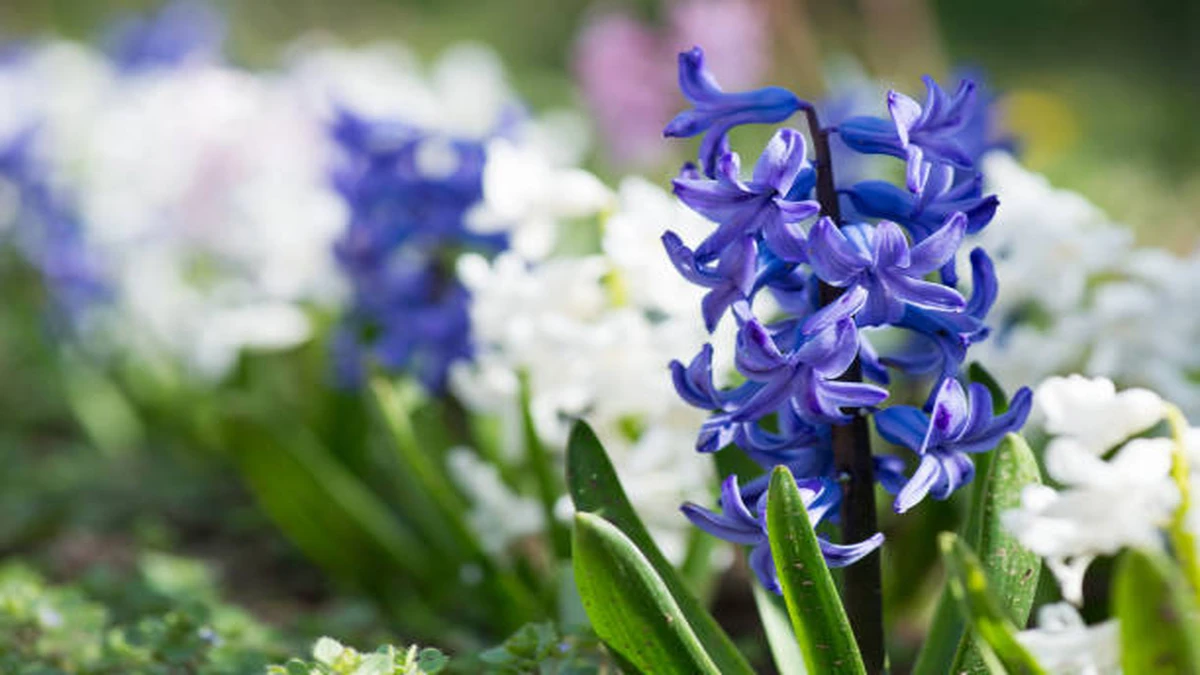
Hyacinthus orientalis, commonly referred to in English as the garden hyacinth or Dutch hyacinth, is one of the most recognizable and emotionally evocative spring flowers in cultivation. For most readers, the search intent is straightforward: to understand what this plant is, where it comes from, how it grows, and why it remains so prominent in gardens, traditions, and floral symbolism. The answer extends far beyond a simple botanical description. Hyacinthus orientalis represents a convergence of plant biology, human history, horticultural innovation, and cultural meaning. -Jacinthe Hyacinthus orientalis.
Native to the Eastern Mediterranean and western Asia, the species was introduced into European gardens during the sixteenth century and rapidly became a horticultural obsession. By the eighteenth century, particularly in the Netherlands, hyacinths were being bred intensively for color, fragrance, and form, transforming a relatively modest wild plant into a dense, vividly colored spring spectacle. Today, hyacinths are valued not only for their visual impact but also for their powerful scent, which has shaped their role in perfumery, indoor forcing, and seasonal rituals.
This article examines Hyacinthus orientalis as both a plant and a cultural artifact. It explores its botanical structure, cultivation practices, historical spread, symbolism, ecological role, and modern relevance, presenting a complete portrait of a flower that continues to define the sensory experience of spring.
Botanical Identity and Plant Structure
Hyacinthus orientalis is a bulbous perennial belonging to the Asparagaceae family, within the Scilloideae subfamily. Its life cycle is driven by a compact, nutrient-rich bulb composed of fleshy scales protected by a papery tunic. This bulb allows the plant to survive extended dormancy during winter and produce vigorous growth as temperatures rise in early spring.
From the bulb emerges a rosette of smooth, strap-shaped leaves, followed by a thick central flowering stem. The inflorescence is a raceme, densely packed with tubular, bell-shaped flowers, each composed of six petal-like lobes. Wild forms of Hyacinthus orientalis typically bear looser flower clusters, while cultivated varieties have been selectively bred to produce tightly packed spikes containing dozens of blossoms. -Jacinthe Hyacinthus orientalis.
One of the species’ defining characteristics is its intense fragrance. This scent, produced by volatile organic compounds released by the flowers, plays a biological role in attracting pollinators while also contributing to the plant’s ornamental and commercial value. The balance between structural efficiency, seasonal timing, and sensory impact illustrates how Hyacinthus orientalis is finely adapted to temperate climates.
Growth Cycle and Seasonal Behavior
The growth rhythm of Hyacinthus orientalis is closely tied to seasonal temperature changes. Bulbs are planted in autumn, allowing roots to establish before winter dormancy. Exposure to cold temperatures is essential, as it triggers internal biochemical processes that enable flowering in spring. Without sufficient chilling, bulbs may produce leaves without flowers.
As soil temperatures rise, shoots emerge rapidly, often before many perennials have broken dormancy. Flowering typically occurs in early spring, making hyacinths among the earliest sources of color and fragrance in the garden. After blooming, the flowers fade, but the foliage remains active for several weeks. During this period, photosynthesis replenishes the bulb’s energy reserves, ensuring future growth.
Once the leaves yellow and die back naturally, the plant enters dormancy again. This cyclical pattern allows hyacinths to persist year after year when grown under suitable conditions, though flowering intensity may decline if bulbs are not periodically lifted, divided, or replenished. -Jacinthe Hyacinthus orientalis.
Cultivation and Garden Use
Hyacinthus orientalis thrives in well-drained soil with moderate fertility and performs best in full sun to partial shade. Bulbs are typically planted 4 to 6 inches deep, with adequate spacing to promote airflow and reduce disease pressure. Overly wet soils can lead to bulb rot, making drainage a critical factor in successful cultivation.
Beyond traditional garden beds, hyacinths are widely used in containers and mass plantings, where their uniform height and vivid colors create strong visual impact. They are also popular for indoor forcing, a practice that involves chilling bulbs artificially before bringing them into warmth and light to induce winter blooms. This technique has made hyacinths a staple of indoor floral displays during colder months.
After flowering, best horticultural practice involves allowing foliage to die back naturally rather than removing it prematurely. This ensures that bulbs store sufficient energy for the following season. While hyacinths are relatively low-maintenance, thoughtful placement and care significantly influence their longevity and performance.
Historical Spread and Cultivation Legacy
The journey of Hyacinthus orientalis from wild plant to global garden staple reflects broader patterns of plant exchange and horticultural enthusiasm. Introduced to Europe during the Ottoman period, the hyacinth quickly captivated botanists and gardeners. By the seventeenth century, it had become an object of intense breeding interest.
In the Netherlands, large-scale bulb cultivation transformed hyacinths into a commercial commodity alongside tulips. Breeders selected plants for larger flower spikes, stronger fragrance, and novel colors, creating thousands of named varieties. This period established the aesthetic standards that still define garden hyacinths today.
The plant’s popularity spread across Europe and later to North America, where it adapted well to temperate climates. Its success illustrates how selective breeding and horticultural trade can amplify the appeal of a single species while preserving its essential biological traits.
Cultural and Mythological Meaning
Hyacinthus orientalis occupies a rich symbolic space shaped by mythology, literature, and seasonal ritual. Its name derives from Greek mythology, in which the youth Hyacinthus is transformed into a flower following a tragic death associated with the god Apollo. This myth imbued the plant with themes of beauty, loss, and rebirth.
In Persian culture, hyacinths are associated with spring renewal and are traditionally included in Nowruz celebrations. In Victorian England, the flower language assigned hyacinths meanings related to sincerity, constancy, and deep emotion, with color variations influencing interpretation.
The plant’s strong scent reinforces its symbolic presence. Fragrance has a unique ability to evoke memory, and for many people, the smell of hyacinths is inseparable from early spring, gardens, and renewal. -Jacinthe Hyacinthus orientalis.
Modern Varieties and Breeding Trends
Centuries of cultivation have produced a wide range of hyacinth cultivars. Modern varieties are selected for specific color palettes, bloom density, and growth habits. Deep blues and purples remain iconic, but pinks, whites, reds, and even soft yellows are now common.
Some cultivars feature double flowers, creating a fuller appearance, while others prioritize compact growth for container use. Despite these variations, most cultivated hyacinths retain the strong fragrance that defines the species.
Contemporary breeding focuses less on novelty and more on uniformity, disease resistance, and suitability for commercial production. This reflects the plant’s transition from botanical curiosity to standardized ornamental crop. -Jacinthe Hyacinthus orientalis.
Ecological Role and Safety Considerations
In garden ecosystems, Hyacinthus orientalis serves as an early nectar source for pollinators emerging from winter dormancy. Bees are particularly drawn to its fragrant blooms, making it a valuable component of early-season biodiversity.
The plant’s bulbs contain compounds that are toxic if ingested, including oxalic acid. While this deters many animals, it requires caution in households with pets or young children. Skin irritation can also occur when handling bulbs without gloves.
Despite these concerns, hyacinths are not invasive and generally coexist well with other spring bulbs such as tulips and daffodils, contributing to layered and diverse garden compositions.
Comparison of Wild and Cultivated Forms
| Feature | Wild Hyacinthus orientalis | Cultivated Garden Hyacinths |
|---|---|---|
| Flower density | Loose, fewer blossoms | Dense, highly packed spikes |
| Color range | Limited natural hues | Broad palette of colors |
| Fragrance | Moderate | Often intensified |
| Use | Natural habitats | Ornamental gardens and forcing |
Seasonal Cultivation Timeline
| Season | Primary Activity | Plant Stage |
|---|---|---|
| Autumn | Bulb planting | Root establishment |
| Winter | Dormancy | Cold requirement |
| Early spring | Flowering | Peak display |
| Late spring | Leaf dieback | Energy storage |
Takeaways
- Hyacinthus orientalis is a bulbous perennial known for early spring blooms and intense fragrance.
- Native to the Eastern Mediterranean, it has been cultivated for over four centuries.
- Successful flowering depends on winter chilling and well-drained soil.
- The plant carries deep mythological and cultural symbolism.
- Modern cultivars emphasize color diversity and ornamental uniformity.
- Hyacinths support early pollinators but contain toxic compounds in their bulbs.
Conclusion
Hyacinthus orientalis endures not simply because it is beautiful, but because it engages multiple senses and layers of meaning. Its sudden emergence after winter, powerful fragrance, and rich colors create an emotional resonance that few spring flowers match. From ancient mythology to modern gardens, the hyacinth has been shaped by human attention while retaining its essential seasonal rhythm.
As horticulture evolves toward sustainability and ecological awareness, the garden hyacinth remains relevant as both a reliable ornamental and an early ecological contributor. Its long history of cultivation reminds us that some plants transcend trends, continuing to mark time, memory, and renewal each spring.
FAQs
What is Hyacinthus orientalis in English?
It is commonly called the garden hyacinth or Dutch hyacinth.
When do hyacinths bloom?
They typically bloom in early spring, often before many other perennials.
Can hyacinths be grown indoors?
Yes, bulbs can be forced indoors after a chilling period.
Are hyacinths safe around pets?
The bulbs are toxic if ingested and should be handled with care.
Do hyacinths return every year?
They are perennials, though bloom quality may decline without proper care.
References
- Encyclopaedia Britannica. (2025, October 22). Hyacinth (Hyacinthus orientalis). https://www.britannica.com/plant/hyacinth-plant Encyclopedia Britannica
- Missouri Botanical Garden. (n.d.). Hyacinthus orientalis (Garden Hyacinth) plant profile. https://www.missouribotanicalgarden.org/PlantFinder/PlantFinderDetails.aspx?kempercode=a458 missouribotanicalgarden.org
- Wikipedia contributors. (n.d.). Hyacinthus orientalis. In Wikipedia, The Free Encyclopedia. https://en.wikipedia.org/wiki/Hyacinthus_orientalis Wikipedia
- National Garden Bureau. (n.d.). Year of the Hyacinth. https://ngb.org/year-of-the-hyacinth/ NGB
- North Carolina State University. (n.d.). Hyacinthus orientalis plant details. https://plants.ces.ncsu.edu/plants/hyacinthus-orientalis/ plants.ces.ncsu.edu
- University of Arkansas System Division of Agriculture. (2020, November 20). Plant of the Week: Hyacinth orientalis (Garden Hyacinth). https://www.uaex.uada.edu/yard-garden/resource-library/plant-week/Hyacinth-orientalis-Garden-Hyacinth-11-20-2020.aspx uaex.uada.edu
- Old House Gardens. (n.d.). Hyacinth history and heritage. https://oldhousegardens.com/hyacinthhistory?srsltid=AfmBOopmtze7N7I62aLdAEpqZTa15evc3CK8Juu1uFXccoaJwt_P5StT oldhousegardens.com